
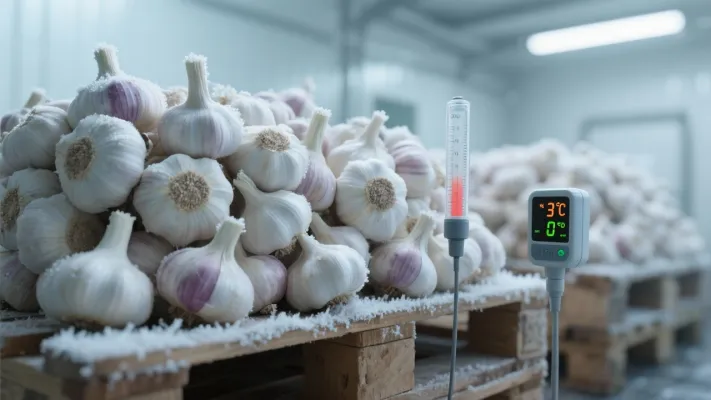
As a chef, home cook, or food service professional, you've likely experienced the frustration of discovering sprouted or moldy garlic when you need it most. Did you know that improper storage can reduce garlic's shelf life by up to 70%? The good news is that with the right knowledge, you can extend your garlic's freshness from a mere 2-3 weeks to 3-6 months. Let's explore the science behind proper garlic storage and transform how you preserve this essential ingredient.
"Garlic is a living organism even after harvest. Its preservation depends on creating an environment that slows biological activity without causing cellular damage." — Dr. Maria Sanchez, Postharvest Horticulturist at the Institute of Food Technologies
Four environmental factors determine how long your garlic stays fresh: temperature, humidity, ventilation, and light. Understanding their interplay is key to successful storage.
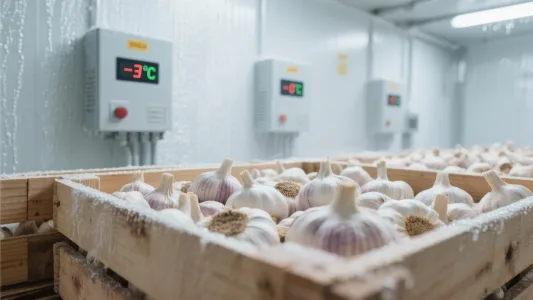
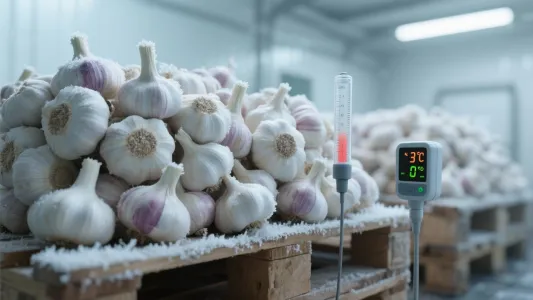
Research shows that garlic stored at 0-4°C (32-39°F) maintains optimal quality for the longest period. This temperature range slows sprouting and metabolic activity without causing freezing damage. However, temperatures above 15°C (59°F) accelerate sprouting, while below-freezing conditions rupture cell walls, leading to texture degradation.
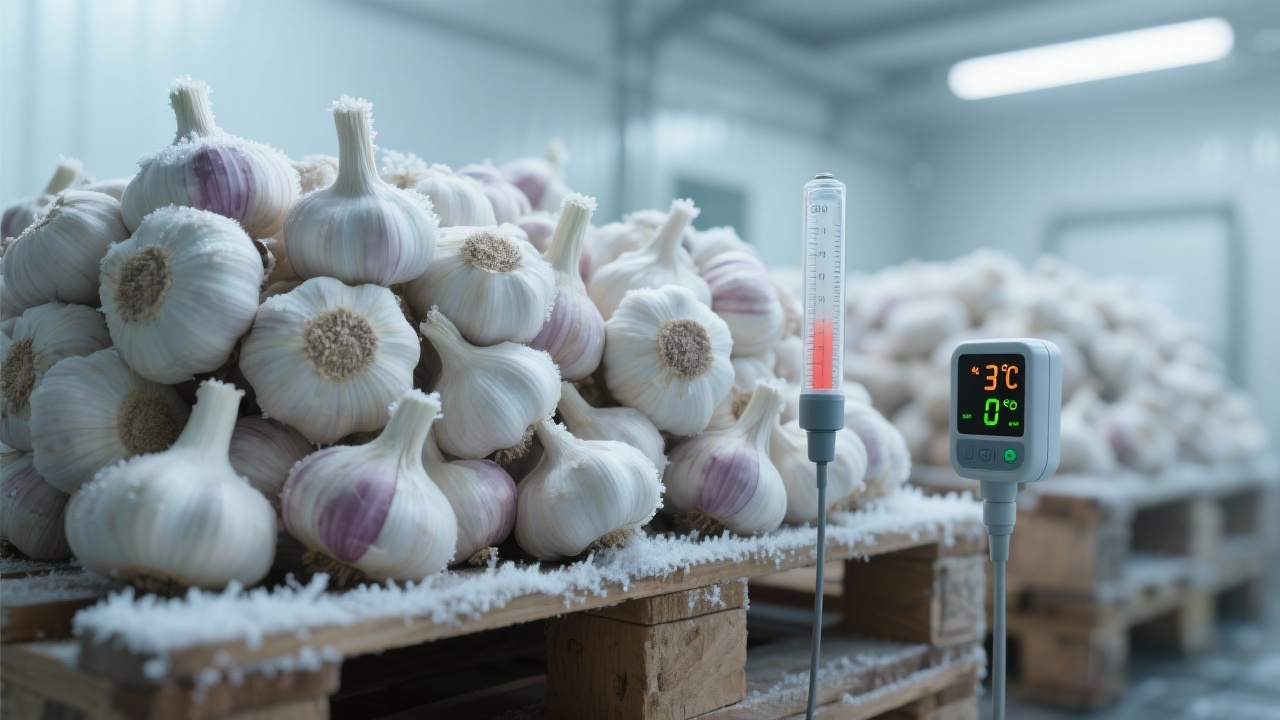
Garlic requires a relative humidity (RH) of 60-70% for ideal storage. Too much moisture (above 75% RH) creates perfect conditions for mold growth, while too little (below 50% RH) causes excessive dehydration and shrinkage. This delicate balance explains why simple plastic bags often fail—they either trap too much moisture or allow too much evaporation.
Proper air circulation prevents ethylene gas buildup and moisture accumulation. Meanwhile, exposure to light triggers photosynthesis in garlic cloves, leading to greening and bitter flavor development. This makes dark storage spaces essential for maintaining optimal taste and appearance.
| Storage Method | Shelf Life | Best For | Considerations |
|---|---|---|---|
| Refrigerator Storage | 3-6 months | Long-term storage | Use mesh bag for ventilation; keep away from strong odors |
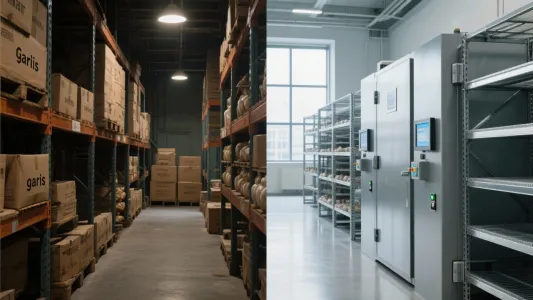
| Cool, Dark Pantry | 2-3 months | Regular kitchen use | Ideal temperature 10-15°C (50-59°F); ensure good air flow |
| Sealed Dry Storage | 1-2 months | Low-humidity environments | Include desiccant packet; check monthly for dryness |
Even experienced cooks make these critical errors that dramatically reduce garlic shelf life:
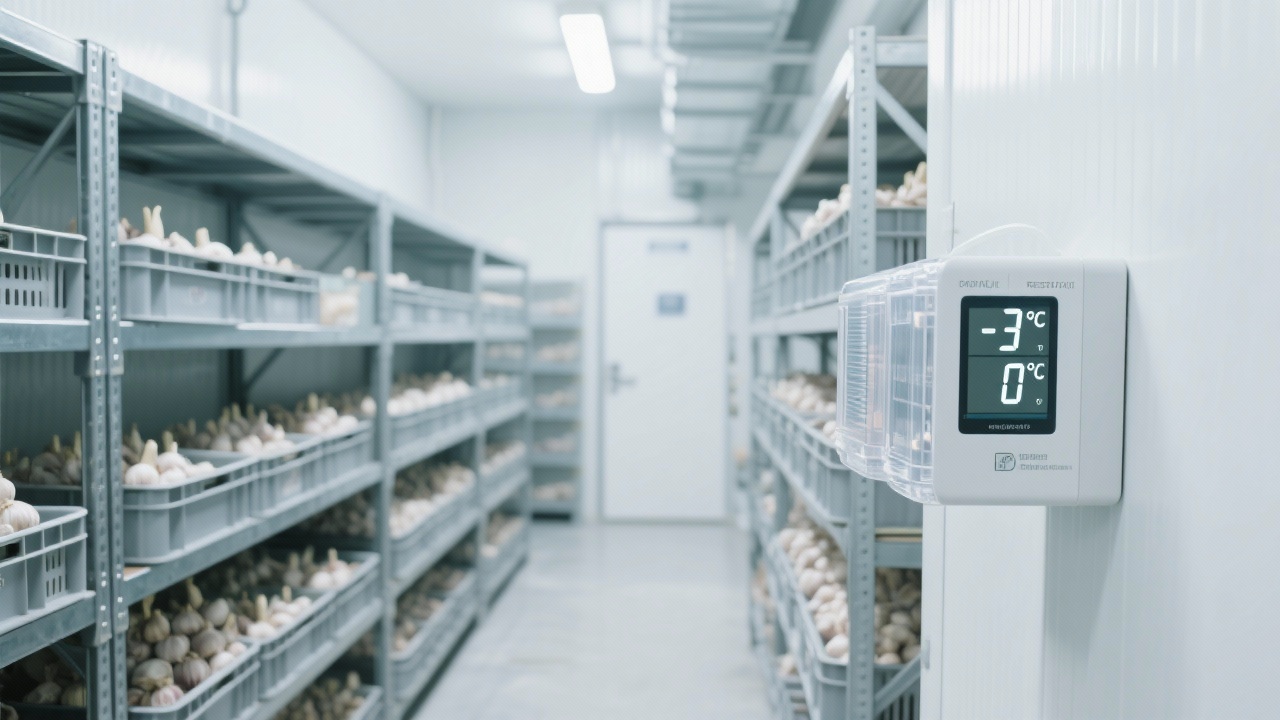
Commercial preservatives aren't necessary when you use these natural methods to protect your garlic:
Take a moment right now to evaluate your current garlic storage setup with this quick assessment:
Now check your garlic itself: Healthy garlic should feel firm, have tight skin, and smell pungent but not musty. If you answered "no" to more than one question or notice any soft spots, sprouting, or mold, it's time to adjust your storage method.
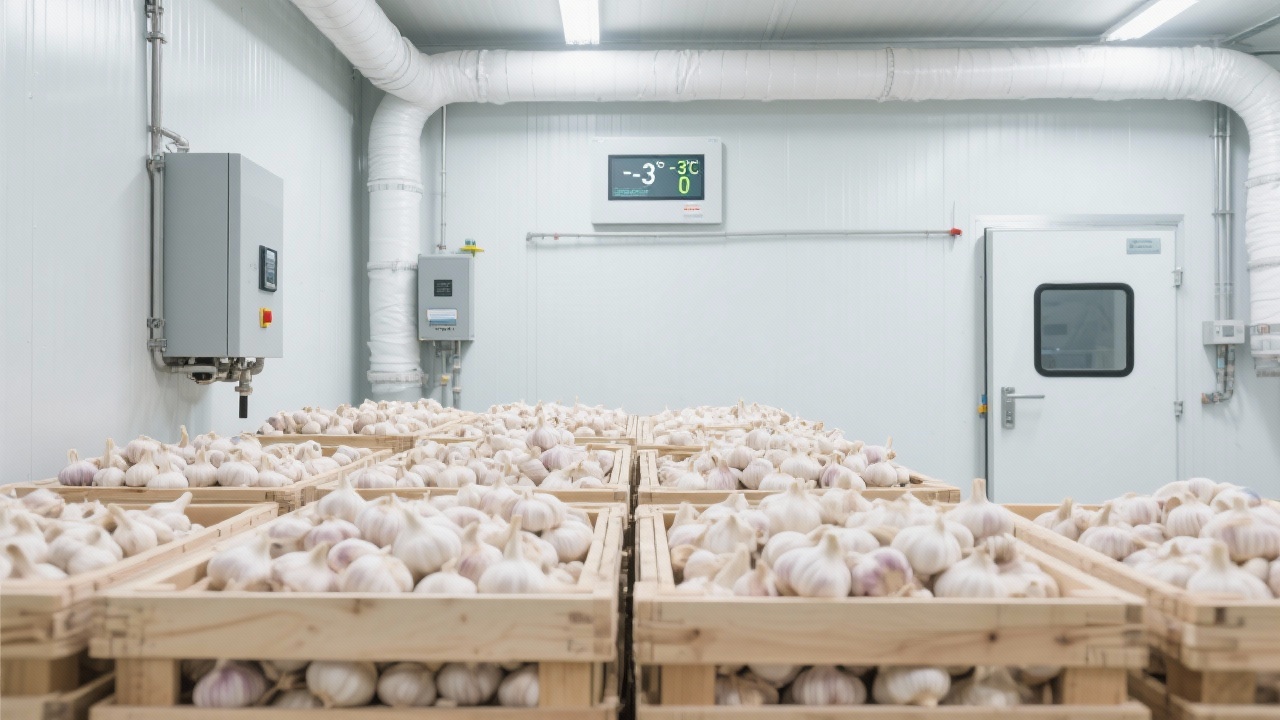
How you store garlic should adapt to how you plan to use it:
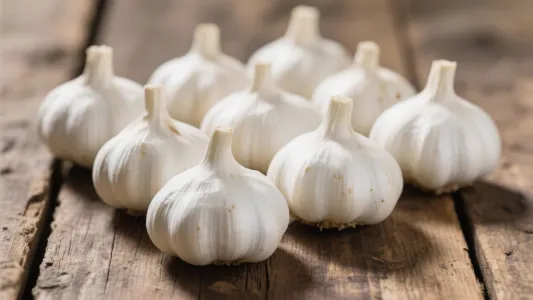
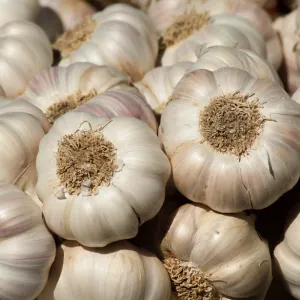
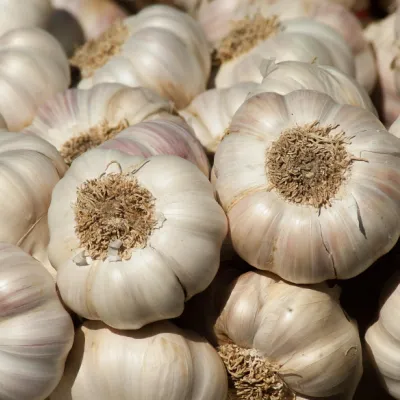
Whole bulbs stored in a cool, dark pantry work best for general cooking. This method provides easy access while maintaining freshness for 2-3 months. For longer storage, transfer to the refrigerator in a mesh bag.
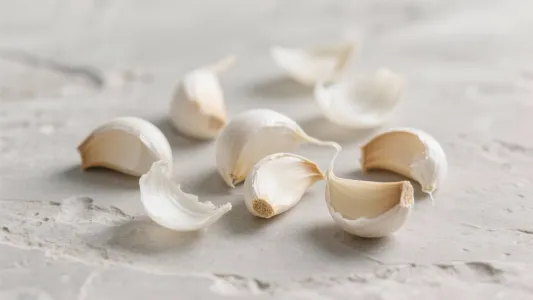
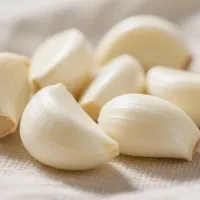
Peeled cloves can be stored in olive oil in the refrigerator for up to 2 weeks, creating instant flavor for dressings and marinades. Always discard if you see any mold or notice an off smell—garlic-infused oil can develop botulism if not properly refrigerated.
Join thousands of culinary professionals who trust 亿商桥 for premium fresh garlic and expert storage solutions. Our quality bulbs are harvested at peak ripeness and delivered with optimal storage guidance.
Discover 亿商桥's Premium Garlic SelectionProper garlic storage isn't just about extending shelf life—it's about preserving the flavor, aroma, and nutritional value that make this ingredient essential in cuisines worldwide. By implementing these science-backed methods, you'll reduce waste, save money, and ensure you always have fresh garlic ready for your next culinary creation.
Remember: the best storage method depends on your climate, kitchen conditions, and usage patterns. Don't be afraid to experiment with different approaches until you find what works best for your situation. Your taste buds—and your wallet—will thank you.
 318
|
318
|
 red garlic marination
red garlic sauce application
garlic marination techniques
enhance sauce flavor
commercial kitchen marination
red garlic marination
red garlic sauce application
garlic marination techniques
enhance sauce flavor
commercial kitchen marination
 478
|
red garlic buying guide
premium red garlic identification
red garlic storage tips
red garlic packaging standards
global red garlic market trends
478
|
red garlic buying guide
premium red garlic identification
red garlic storage tips
red garlic packaging standards
global red garlic market trends
 493
|
year-round garlic supply
intelligent storage technology
green pest control
garlic cultivation management
China garlic industry
493
|
year-round garlic supply
intelligent storage technology
green pest control
garlic cultivation management
China garlic industry
 280
|
garlic transportation preservation
mesh bag packaging
garlic mold prevention
agricultural product packaging design
cold chain logistics management
280
|
garlic transportation preservation
mesh bag packaging
garlic mold prevention
agricultural product packaging design
cold chain logistics management
 491
|
fresh garlic storage
garlic refrigeration temperature
agricultural cold chain management
garlic preservation methods
cold storage for garlic
491
|
fresh garlic storage
garlic refrigeration temperature
agricultural cold chain management
garlic preservation methods
cold storage for garlic
.png?x-oss-process=image/resize,h_600,m_lfit/format,webp)







.png?x-oss-process=image/resize,h_200,m_lfit/format,webp)





 TikTok
 Facebook