
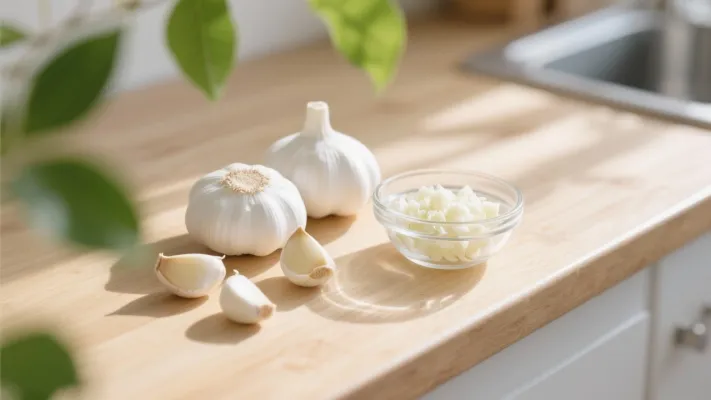
As a food industry professional, you understand that the quality of raw ingredients directly impacts your final product's taste, shelf life, and customer satisfaction. When it comes to garlic—a staple in cuisines worldwide—knowing how to identify premium quality bulbs can save your business from costly mistakes and ensure consistent flavor in your products. This comprehensive guide will walk you through the critical factors that determine garlic quality and provide actionable storage techniques to maintain optimal freshness.
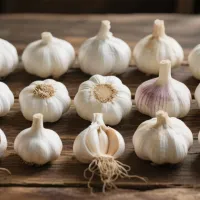
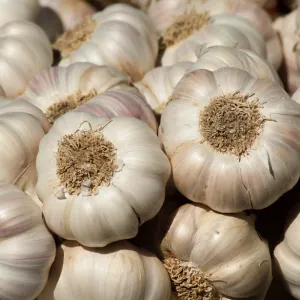
The first step in evaluating garlic quality begins with a thorough visual inspection. High-quality garlic bulbs should exhibit several key characteristics that signal freshness and optimal growing conditions:
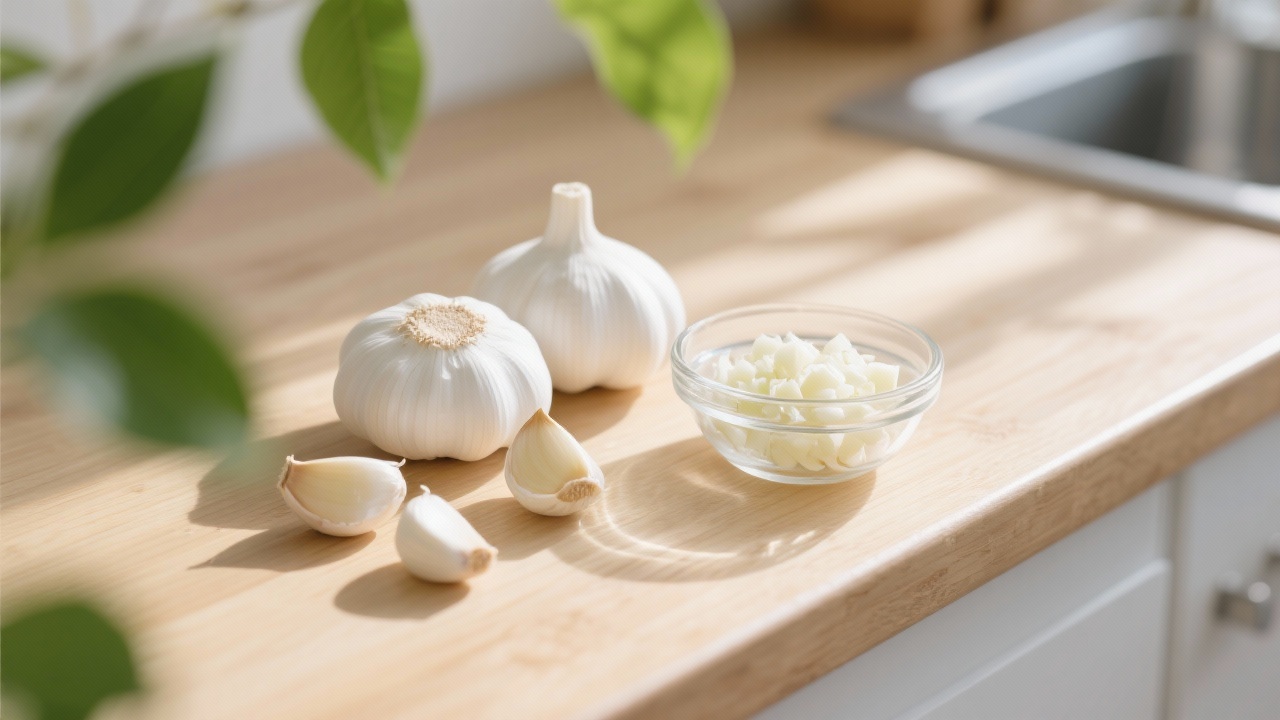
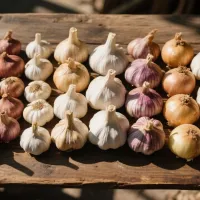
Selecting the right garlic variety for your specific application requires understanding their unique characteristics and flavor profiles:
"The allicin content in garlic determines not only its flavor intensity but also its antimicrobial properties. For food processors, maintaining optimal allicin levels during storage directly impacts both product quality and safety." — Dr. Sarah Chen, Food Safety Researcher at International Food Science Institute
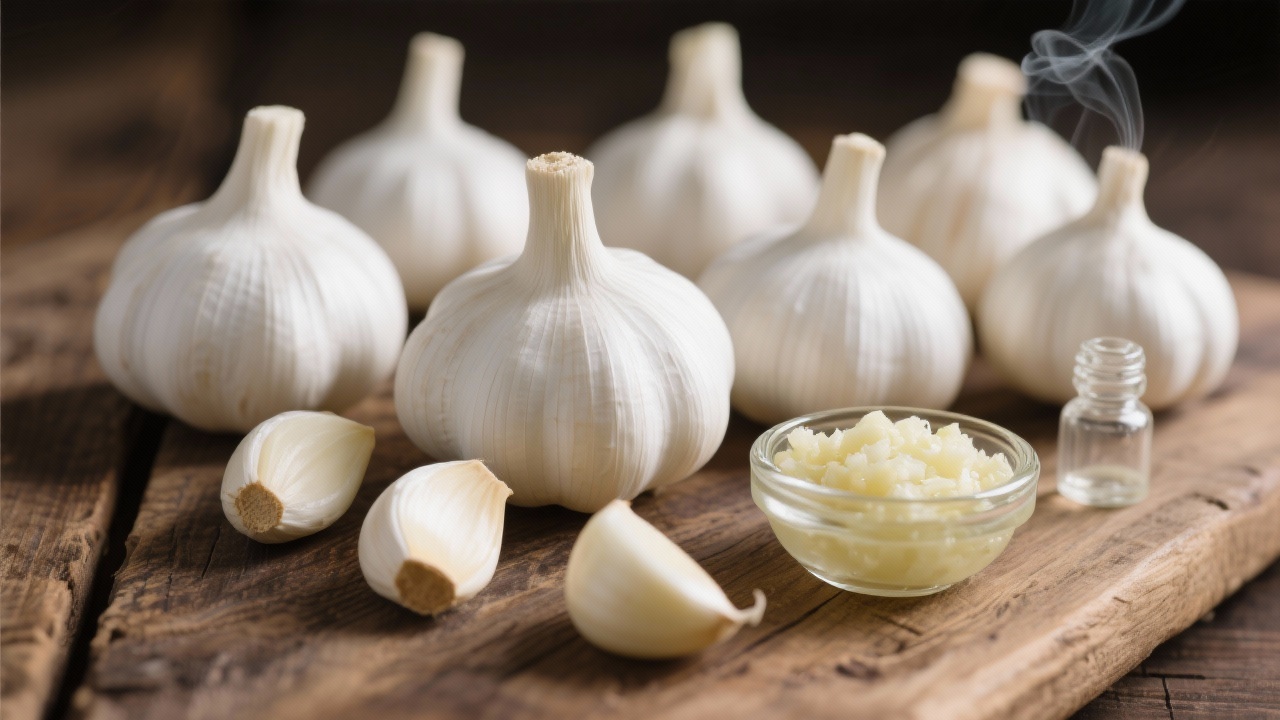
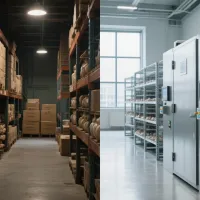
Proper storage is critical for preserving garlic quality and extending shelf life. Research shows that temperature, humidity, and air circulation significantly impact garlic's longevity and nutrient retention:
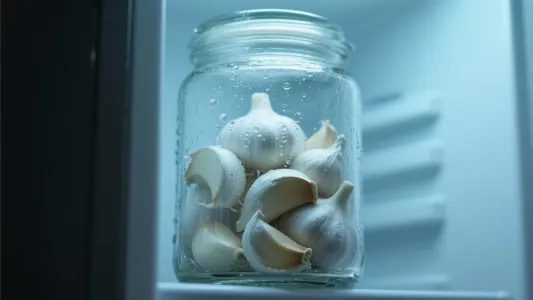
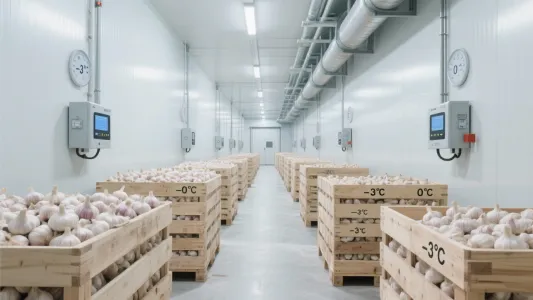
Studies conducted by the Postharvest Horticulture Research Center indicate that garlic stored at 0°C to -3°C (32°F to 26.6°F) maintains optimal freshness for 8-10 months, compared to just 3-4 months at room temperature. This temperature range slows sprouting and respiration while minimizing ice crystal formation that can damage cell structures.
Maintaining humidity levels between 60-70% is crucial. Excess moisture promotes mold growth, while low humidity causes excessive drying and flavor loss. Properly ventilated storage containers help regulate moisture levels and prevent condensation buildup.
Garlic is moderately sensitive to ethylene gas produced by fruits like apples, bananas, and tomatoes. Store garlic separately from ethylene-producing items to prevent premature sprouting and deterioration.
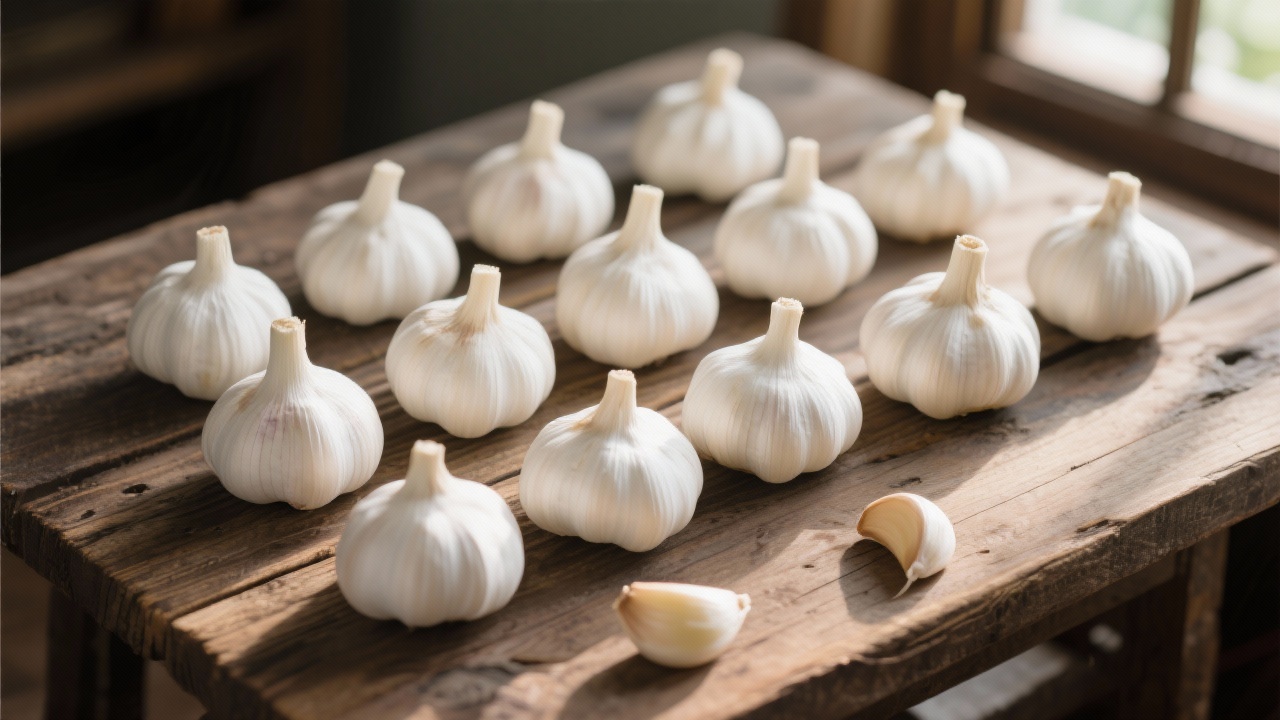
For food processors and large-scale buyers, implementing a systematic quality control process is essential. Consider these best practices when evaluating potential garlic suppliers:
By implementing these evaluation techniques and storage protocols, food industry professionals can significantly reduce waste, ensure consistent product quality, and maintain the distinctive flavor profiles that customers expect.
Experience the difference professional cold chain management can make for your garlic procurement. Our specialized storage solutions maintain optimal temperatures from harvest to delivery, preserving garlic's natural flavor and nutritional value.
Discover Yishangqiao's Premium Garlic Storage SolutionsRemember that garlic quality assessment is both an art and a science. With practice, you'll develop an eye for identifying premium bulbs and implementing storage practices that maximize shelf life and flavor retention. The investment in quality control at this stage pays dividends throughout your production process and ultimately in the satisfaction of your customers.
 473
|
473
|
 A-grade garlic inspection
Middle East garlic export
garlic quality control
standardized garlic sourcing
garlic culinary applications
A-grade garlic inspection
Middle East garlic export
garlic quality control
standardized garlic sourcing
garlic culinary applications
 415
|
organic ginger application
ginger essential oil production
ginger health benefits
ginger cooking techniques
ginger pickling methods
415
|
organic ginger application
ginger essential oil production
ginger health benefits
ginger cooking techniques
ginger pickling methods
 327
|
fresh garlic selection
garlic storage techniques
mesh bag packaging
garlic preservation methods
agricultural export packaging
327
|
fresh garlic selection
garlic storage techniques
mesh bag packaging
garlic preservation methods
agricultural export packaging
 233
|
garlic cold storage temperature
professional garlic refrigeration
garlic export storage
food supply chain management
garlic quality preservation
421
|
organic ginger cultivation
export grade ginger standards
pesticide-free ginger production
organic farming best practices
food safety compliance
233
|
garlic cold storage temperature
professional garlic refrigeration
garlic export storage
food supply chain management
garlic quality preservation
421
|
organic ginger cultivation
export grade ginger standards
pesticide-free ginger production
organic farming best practices
food safety compliance

.png?x-oss-process=image/resize,h_600,m_lfit/format,webp)





.png?x-oss-process=image/resize,h_200,m_lfit/format,webp)





 TikTok
 Facebook