
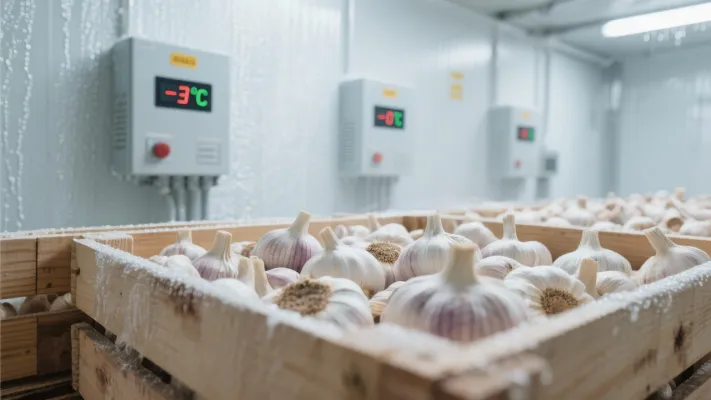
For importers, wholesalers, and foodservice buyers, “fresh garlic” is not a single standard—it is a tight set of measurable signals that predict shelf life, flavor strength, processing yield, and complaint risk. The most reliable approach is to assess bulb and clove uniformity, skin integrity and gloss, absence of mold and mechanical damage, and variety-driven sensory traits. This guide lays out practical checkpoints used in real B2B procurement and offers cold-storage best practices proven to protect freshness during international logistics.
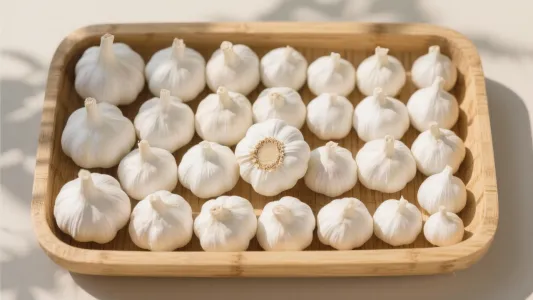
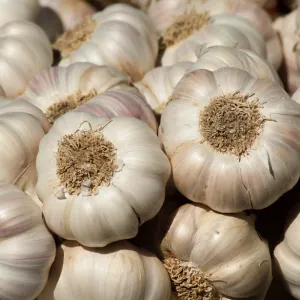
Experienced buyers often make an initial decision within half a minute—then use detailed inspection to confirm. High-grade fresh garlic typically shows clean, tight outer skins, dry necks, a firm bulb, and a consistent size profile across the lot. If the shipment looks mixed (large variance in bulb size, uneven skins, scattered stains), it usually signals inconsistent field management or post-harvest handling—both of which can shorten storage life.
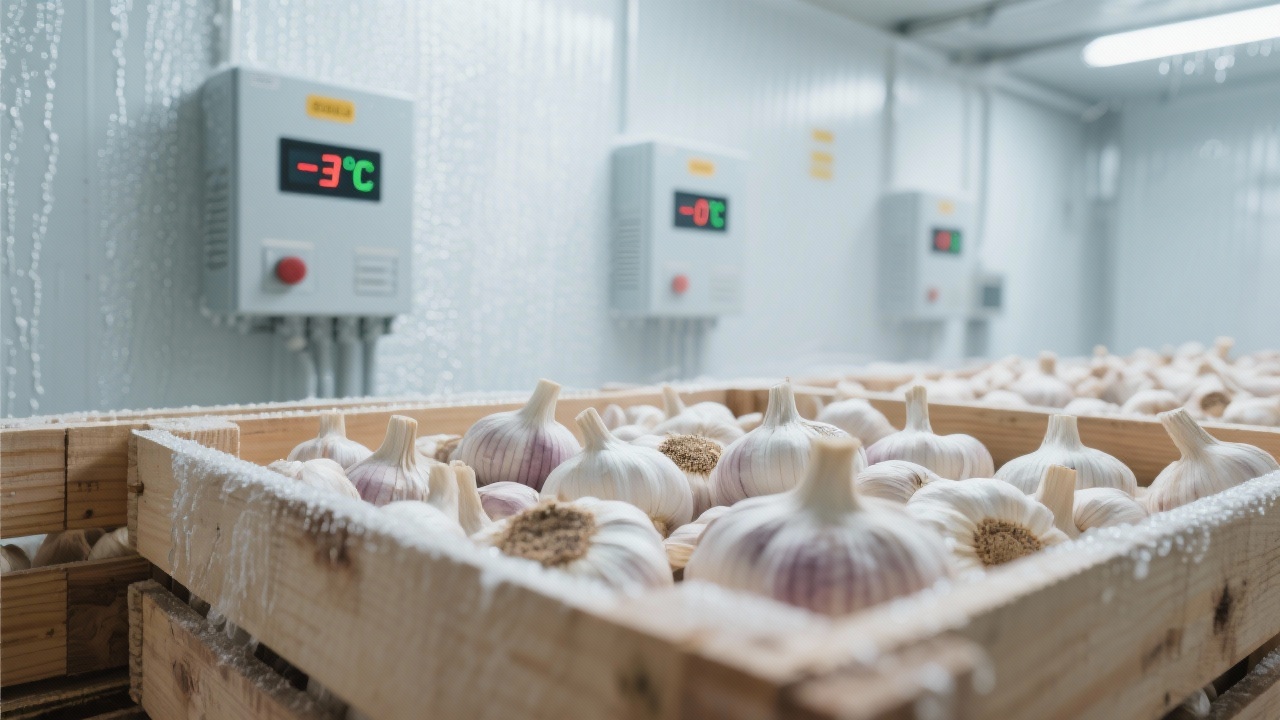
Uniformity is not just “nice to have.” It directly impacts packing efficiency, appearance grade, and processing yield. In food manufacturing, mixed sizes can create inconsistent peeling and slicing performance; in retail, it increases consumer rejection and shrink. Many professional buyers aim for lots where the majority of bulbs fall within a tight band (commonly ±10% size deviation within the same grade), which helps keep sorting and rework costs predictable.
Garlic skin is a natural protective layer. When it’s intact, it reduces moisture loss and slows microbial intrusion. Buyers should look for a natural, healthy sheen—not oily residue—and for skins that are tight, papery, and unbroken. Excessive flaking can indicate over-drying or rough handling; damp, soft, or sticky skins can indicate poor curing and higher mold risk during transit.
Mechanical injuries often happen at harvest, grading, or loading. Even minor bruising can become a gateway for decay. In cold-chain shipments, damaged garlic may look acceptable on arrival but develop issues after a few days at ambient distribution temperature. As a practical benchmark, many QC teams target very low visible damage rates in random carton checks and reject lots where bruising or split bulbs appear repeatedly.
| Indicator | What to Look For | Why It Matters |
|---|---|---|
| Outer skin | Tight, dry, papery, minimal breaks | Reduces moisture loss and decay risk |
| Neck dryness | Dry neck, no wetness or seepage | Predicts curing quality and storage stability |
| Firmness | Bulb feels solid; cloves not loose | Better transit resilience and lower shrink |
| Surface stains | No black/green spots; minimal discoloration | Early warning for mold and handling issues |
Mold is a hard stop in most professional specifications, especially for foodservice and further processing. Buyers should inspect random bulbs by gently separating outer layers: mold often hides where the skin is broken or where moisture was trapped. Sprouting is another key indicator—often triggered by temperature fluctuations and unsuitable storage conditions. Even if sprouting is minor, it can reduce flavor intensity and shorten remaining shelf life.
Fresh garlic should smell clean, sharp, and pungent. Sour, musty, or fermented notes typically point to moisture issues or microbial activity. In practice, many receiving teams do an odor check immediately after opening cartons—because smell changes often appear before visual decay becomes obvious.
“If a garlic lot arrives with stable firmness, dry necks, and intact skins, it usually holds up well through distribution. Most downstream losses start with small handling damage plus temperature swings.”
— Post-harvest specialist, international fresh produce supply chain
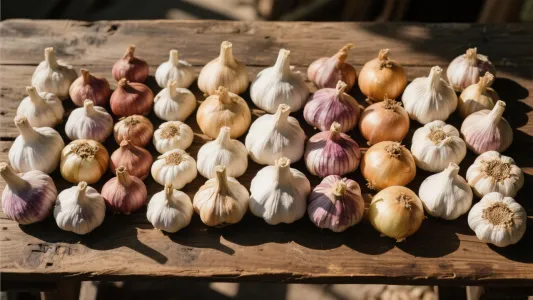
Variety selection is a procurement decision, not a culinary detail. Two common commercial types—white garlic and purple garlic—often differ in aroma intensity, perceived heat, and how they perform in cooking or processing. Buyers should align variety with the end market: retail preferences, restaurant menu style, or manufacturing requirements.
| Type | Typical Sensory Profile | Common B2B Uses |
|---|---|---|
| White garlic | Clean pungency, balanced heat, broad acceptance | Retail, general foodservice, dehydration, sauces |
| Purple garlic | Often stronger aroma, richer flavor perception | Premium foodservice, specialty retail, culinary branding |
For processing lines, buyers frequently run a small trial: peeling behavior, clove breakage, and aroma in the final product can vary by variety and curing quality. A short pre-shipment sample test can prevent costly adjustments after arrival.
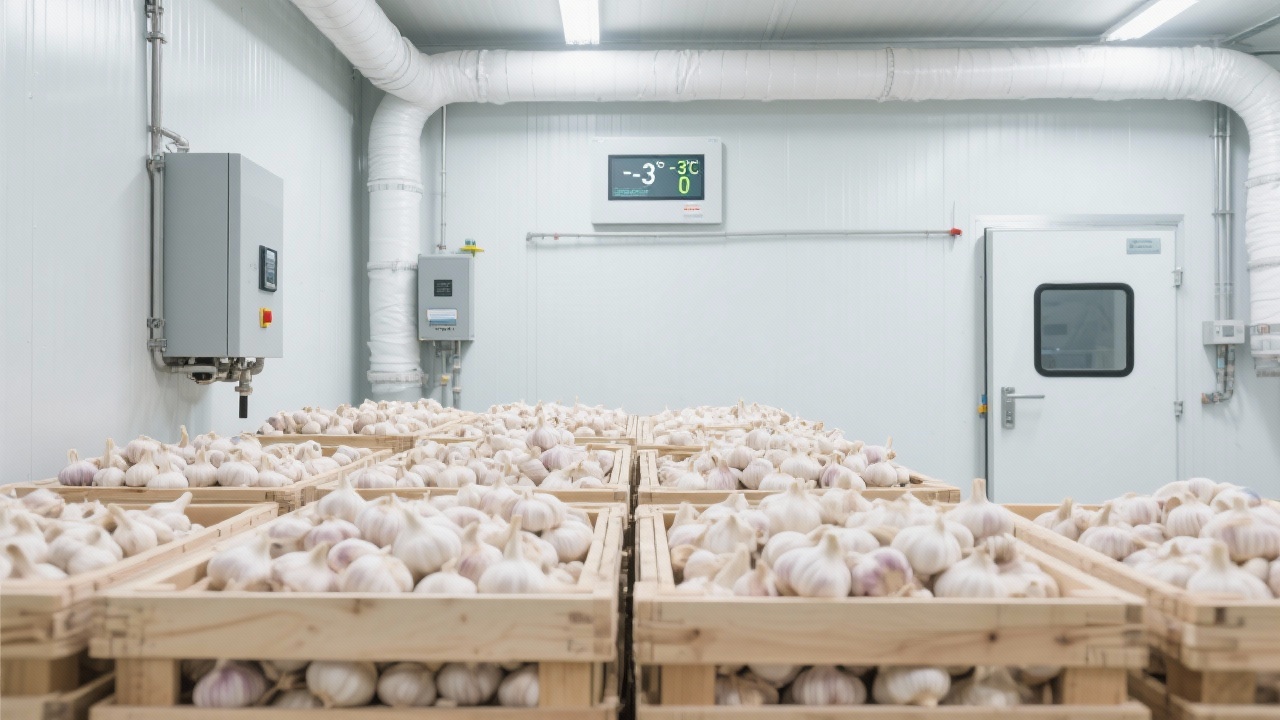
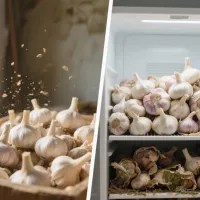
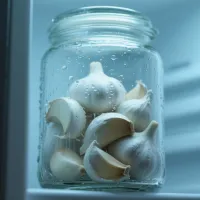
Cold storage is where good garlic stays good. In international trade, a commonly applied setpoint for fresh garlic is 0°C to -3°C, managed with stable ventilation and humidity control to limit dehydration and reduce sprouting pressure. Under consistent cold conditions, buyers typically see a meaningful extension of usable storage time compared with ambient warehousing, especially when the product was properly cured and packed before entering cold rooms.
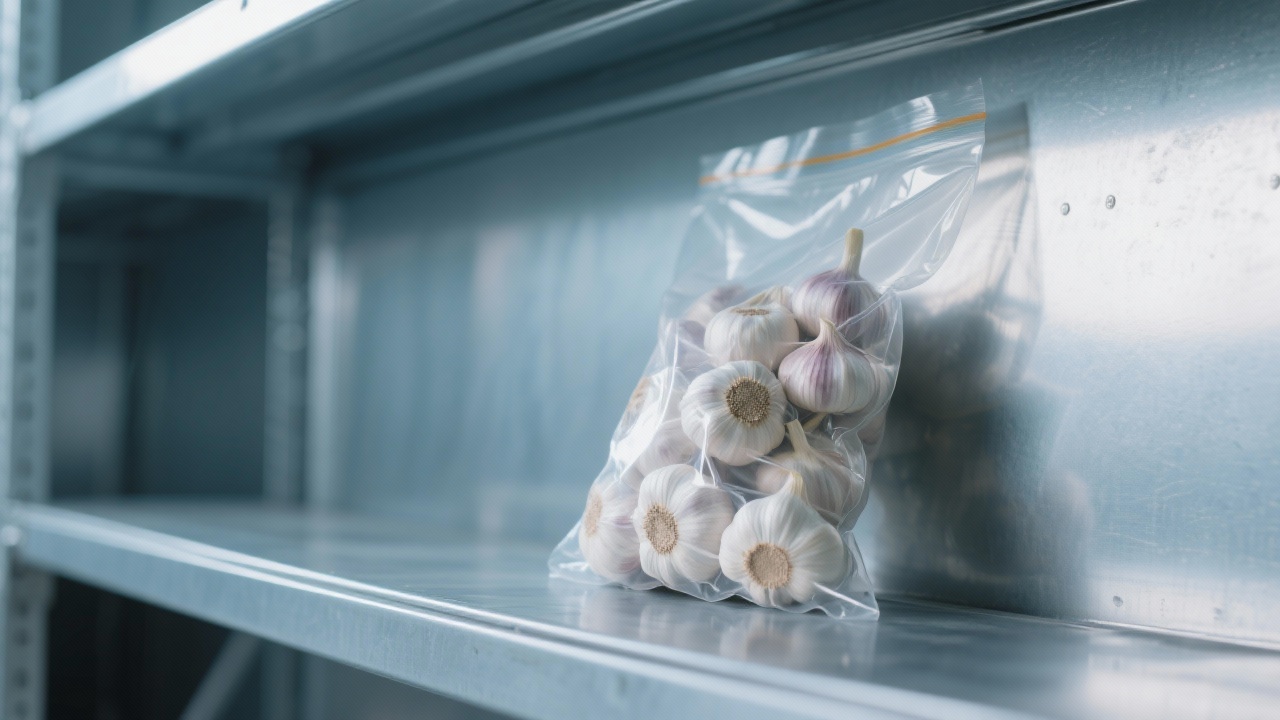
Garlic’s characteristic pungency is linked to enzymatic reactions that form sulfur compounds (often discussed in relation to allicin). While the exact outcomes depend on handling and usage, buyers generally benefit from storage that minimizes repeated warming/cooling cycles. Temperature swings can increase condensation risk, which accelerates mold and quality breakdown—especially in long-distance shipments.
Not always. Larger bulbs can be preferred for certain markets, but the more reliable indicator is uniformity within the declared grade plus firmness and intact skins. Mixed sizes within one carton often create packing and yield issues.
Check for broken skins, soft spots, and any musty odor upon opening cartons. Then peel a few random bulbs—hidden mold often appears under damaged outer layers.
Decide based on end use: white garlic is widely accepted and versatile; purple garlic is often chosen when buyers want a more distinctive aroma and a premium story for foodservice or specialty retail.
Provide a clear spec: target size grade, tolerance for defects, packing method, destination handling conditions, and whether your market is sensitive to sprouting. A simple checklist plus receiving photos reduces misunderstandings.
Readers in procurement and foodservice are welcome to share their own receiving checklist: which two indicators most accurately predict shelf life in your market—firmness, skin integrity, odor, or sprouting control?
In practice, “quality” is the result of farming, curing, grading, and logistics working together. Suppliers that can maintain professional cold storage at 0°C to -3°C, manage lot consistency, and provide traceable handling records tend to deliver more predictable arrivals and fewer claims—especially for multi-week ocean shipments and regional distribution afterward.
As a garlic-focused exporter, Yishangqiao integrates high-standard selection with cold-chain handling designed to protect firmness, reduce sprouting pressure, and keep skins intact through loading and transit—an approach many importers rely on when stability matters as much as appearance.
Get a specification-aligned recommendation (variety, size grade, packing, and cold-chain plan) tailored to your destination market and channel.
Request Yishangqiao Premium Fresh Garlic Supply DetailsTypical info buyers request: inspection photos, temperature records, loading plan, and a suggested receiving checklist.

 154
|
154
|
 European garlic market
premium garlic varieties
garlic storage techniques
foodservice garlic procurement
refrigerated garlic packaging
European garlic market
premium garlic varieties
garlic storage techniques
foodservice garlic procurement
refrigerated garlic packaging
 207
|
garlic variety selection
international cuisine garlic use
professional garlic supply
fresh garlic export
10kg mesh bag packaging
207
|
garlic variety selection
international cuisine garlic use
professional garlic supply
fresh garlic export
10kg mesh bag packaging
 385
|
garlic storage methods
how to store garlic fresh
garlic preservation techniques
breathable mesh bag for garlic
garlic shelf life extension
385
|
garlic storage methods
how to store garlic fresh
garlic preservation techniques
breathable mesh bag for garlic
garlic shelf life extension
 325
|
fresh garlic selection
garlic quality assessment
cold storage garlic
export garlic guide
garlic storage methods
325
|
fresh garlic selection
garlic quality assessment
cold storage garlic
export garlic guide
garlic storage methods
 80
|
Cross - border garlic logistics
10kg mesh bag packaging
Agricultural product cold - chain transportation
Food packaging optimization
Supply chain efficiency improvement
80
|
Cross - border garlic logistics
10kg mesh bag packaging
Agricultural product cold - chain transportation
Food packaging optimization
Supply chain efficiency improvement
.png?x-oss-process=image/resize,h_600,m_lfit/format,webp)





.png?x-oss-process=image/resize,h_200,m_lfit/format,webp)





 TikTok
 Facebook