
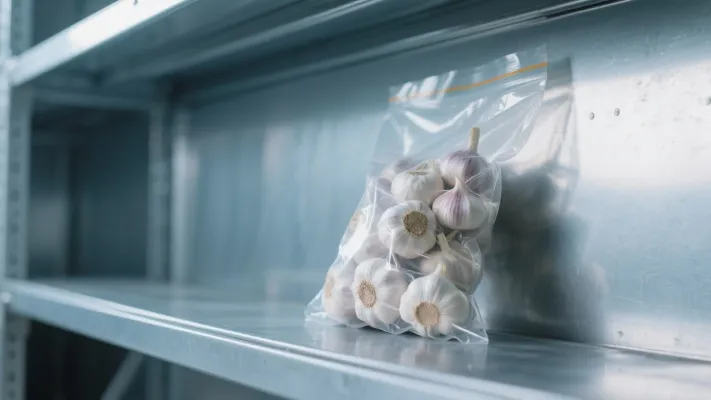
Selecting fresh garlic with optimal flavor and durability can significantly influence the quality of your culinary offerings or food supply chain. This guide breaks down the four essential criteria for judging fresh garlic quality—clove uniformity, skin luster, absence of mold, and mechanical damage—helping procurement professionals and foodservice operators make confident and informed decisions.
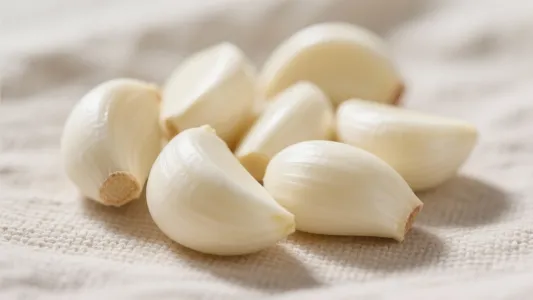
Uniformly sized cloves within a bulb indicate balanced growth and consistent quality. High-quality garlic features cloves that are neither too small nor irregularly shaped, ideally measuring 15-25 mm in length and displaying smooth contours without shriveling. Uniform cloves enable even cooking and extend shelf life, as irregularity often signals premature aging or exposure to suboptimal conditions.
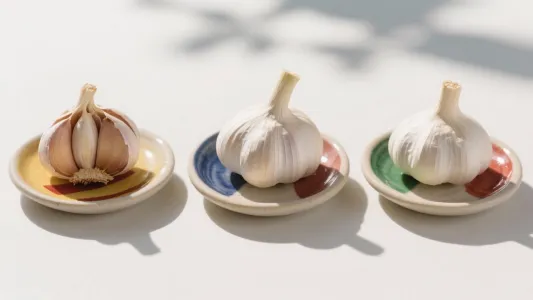
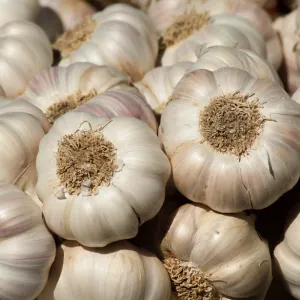
The garlic’s outer skin, or tunic, should display a natural glossy sheen, revealing its freshness. Dull or flaky skins usually mean dryness or extended storage, which diminishes flavor and texture. The skin color—be it pure white for white garlic or violet-tinged for purple garlic—should be consistent, with no yellowing or browning spots.
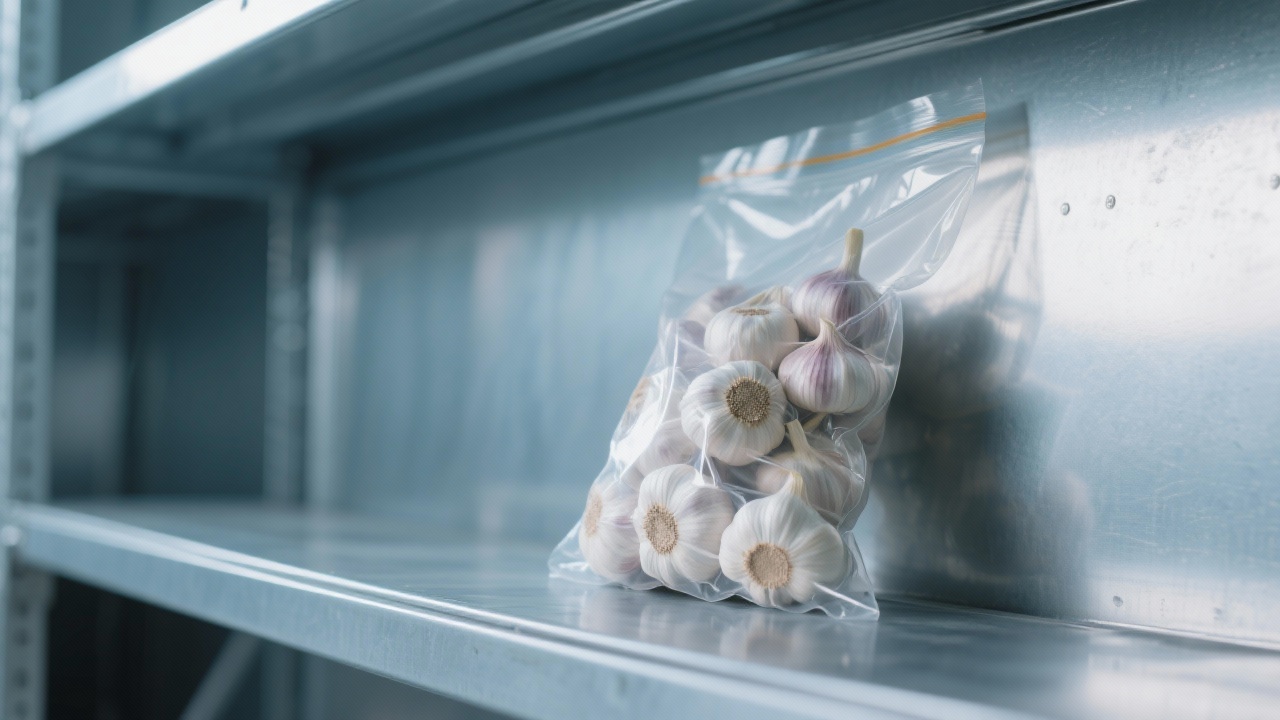
Inspect garlic bulbs for any signs of mold—commonly white, gray, or green fuzz—especially near the base or between cloves. Mold presence compromises safety and reduces shelf life. Additionally, mechanical damage such as bruises, cuts, or cracks weaken the bulb’s barrier against pathogens and moisture loss. Top-tier garlic suppliers ensure handling protocols minimize bruising during harvest and transport.
White garlic (Allium sativum) tends to have a mild, clean flavor with a crisp bite, making it versatile for most culinary uses. Purple garlic varieties carry richer, stronger aroma notes and slightly sweeter undertones, favored in gourmet applications. Both types deliver robust active compounds such as allicin, but suppliers specializing in quality varieties allow buyers to select based on desired flavor intensity and usage.
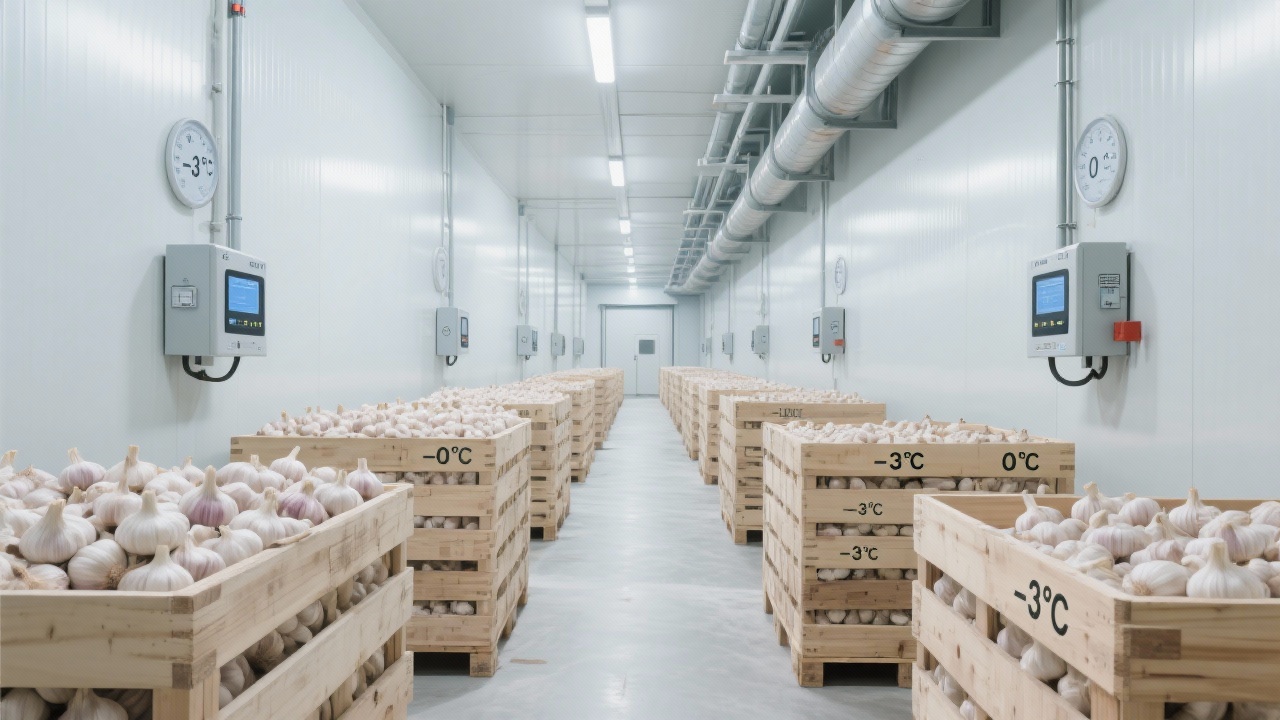
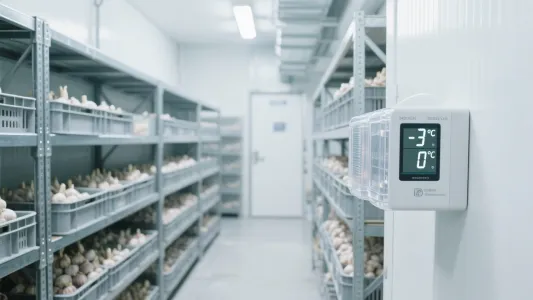
Optimal storage is critical to maintain garlic’s freshness and bioactive compounds. Cold storage between 0°C and -3°C retards sprouting and microbial decay while preserving pungency. Relative humidity should be maintained around 60-70% to prevent excessive drying or mold growth. Employing controlled atmosphere refrigeration combined with hygienic packaging extends shelf life beyond 6 months without compromising quality—a key advantage in supply chain management.
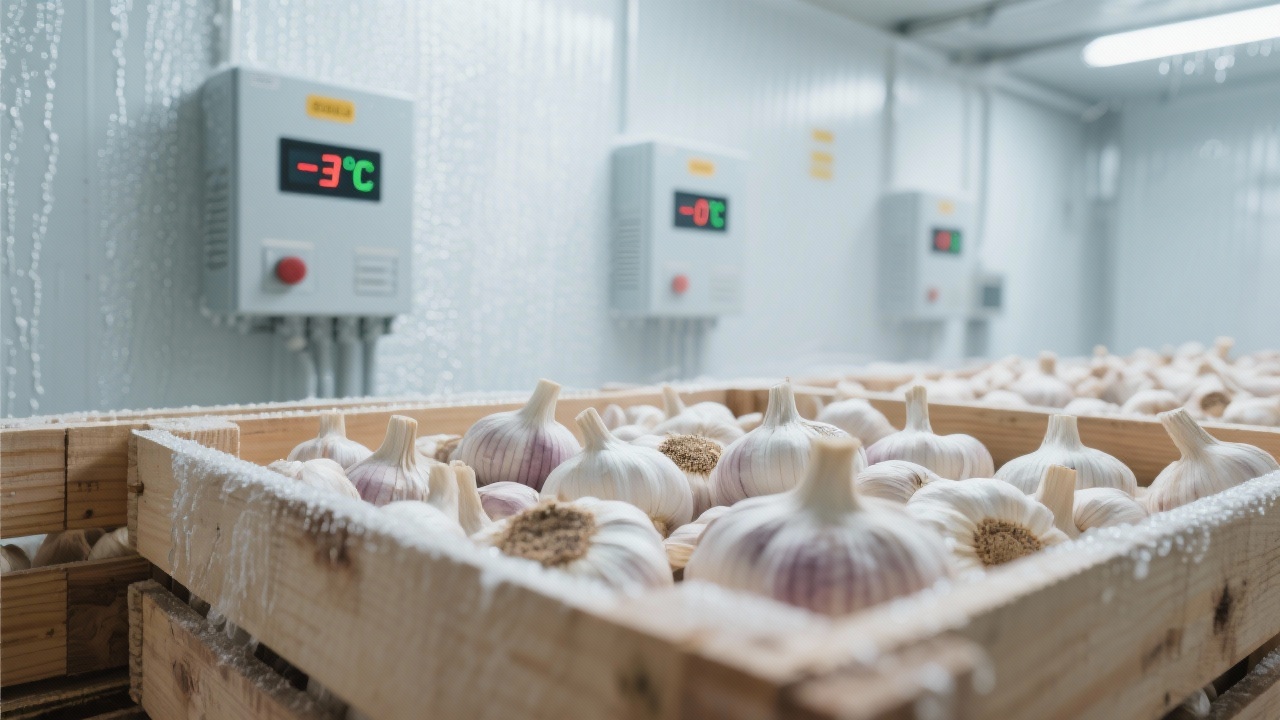
Beyond quality selection, integrating low-temperature storage protocols safeguards garlic’s organoleptic properties and safety throughout distribution. Professional cold chain logistics reduce turnover losses by up to 25%, elevate customer satisfaction, and ensure compliance with international food safety standards. Strategic partnerships with suppliers possessing cutting-edge cold storage capability—such as Yishangqiao (Hangzhou) International Trade Co., Ltd.—unlock consistent access to premium fresh garlic while simplifying inventory management.
 258
|
258
|
 garlic cold storage
microbial contamination prevention
food preservation technology
supply chain management
garlic export quality
garlic cold storage
microbial contamination prevention
food preservation technology
supply chain management
garlic export quality
 148
|
large white garlic vs pure white garlic
export garlic varieties comparison
premium garlic selection guide
garlic culinary applications
agricultural product grading standards
148
|
large white garlic vs pure white garlic
export garlic varieties comparison
premium garlic selection guide
garlic culinary applications
agricultural product grading standards
 306
|
Organic ginger cultivation techniques
Export-quality mold-free ginger
Pesticide-free organic ginger
Organic ginger quality assurance
Mold prevention in ginger farming
306
|
Organic ginger cultivation techniques
Export-quality mold-free ginger
Pesticide-free organic ginger
Organic ginger quality assurance
Mold prevention in ginger farming
 387
|
Grade A white garlic quality
sprout-free garlic standard
premium garlic inspection methods
garlic storage technology
international garlic sourcing
387
|
Grade A white garlic quality
sprout-free garlic standard
premium garlic inspection methods
garlic storage technology
international garlic sourcing
 222
|
High - quality white garlic identification
Grade A white garlic standards
Garlic quality detection
White garlic procurement guide
Garlic quality assessment
222
|
High - quality white garlic identification
Grade A white garlic standards
Garlic quality detection
White garlic procurement guide
Garlic quality assessment


.png?x-oss-process=image/resize,h_600,m_lfit/format,webp)







.png?x-oss-process=image/resize,h_200,m_lfit/format,webp)





 TikTok
 Facebook