
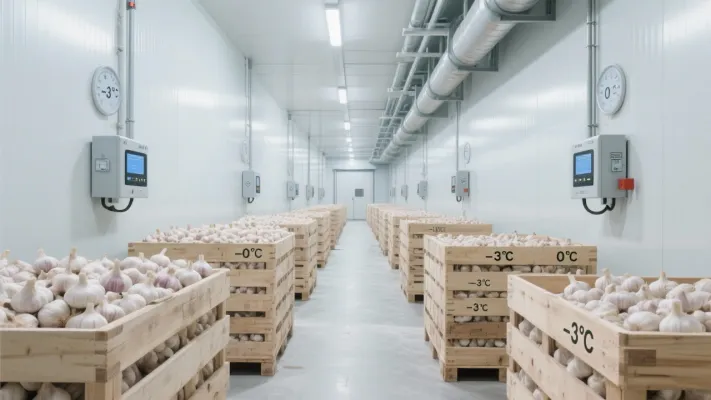
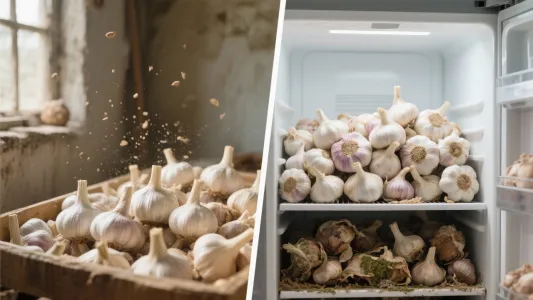
In global agricultural sourcing and the foodservice industry, selecting high-quality fresh garlic is paramount for taste consistency, nutrition, and food safety. This comprehensive guide unravels the essential visual cues and storage practices that enable international buyers and culinary professionals to make informed decisions when sourcing garlic. It offers detailed insights into the evaluation of clove uniformity, skin glossiness, absence of spoilage, and mechanical damage, while comparing common varieties and exploring best practices for cold chain preservation.
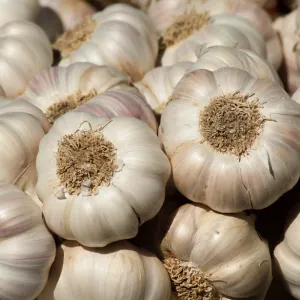
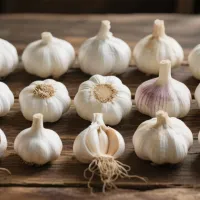
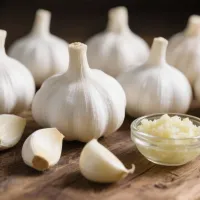
The assessment of fresh garlic quality begins with its outer appearance, which reflects its freshness, cultivation standards, and handling during distribution:
These criteria align with the global fresh vegetable trade standards established by codex alimentarius and major import regulations.
While white garlic (Allium sativum) predominates in the international market, purple garlic presents unique flavor compounds favored in certain cuisines. Understanding their distinguishing factors aids buyers to select according to culinary profiles and consumer preferences:
| Feature | White Garlic | Purple Garlic |
|---|---|---|
| Clove Color | Pure white to off-white skin | Light to deep purple streaks on skin |
| Flavor Profile | Strong, pungent, with sharp bite | Mild, aromatic, subtle sweetness |
| Freshness Indicators | Highly reactive sulfur compounds preserve pungency | Preserves aroma longer, suitable for raw usage |
| Common Uses | Cooking requiring robust garlicky flavor | Salad dressings, light cuisine, infused oils |
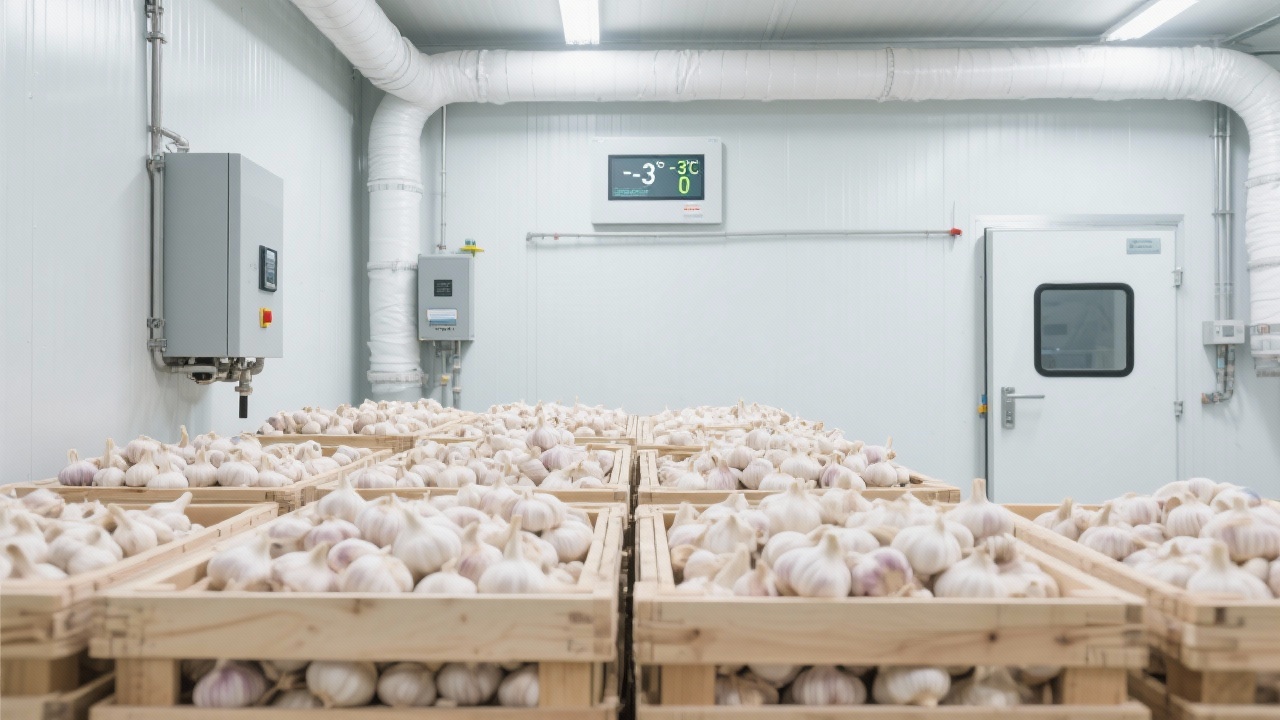
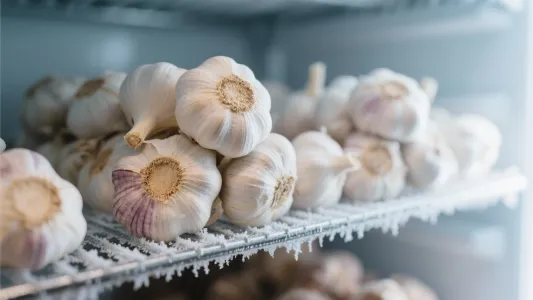
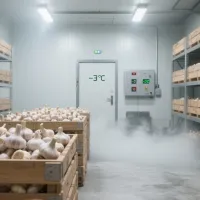
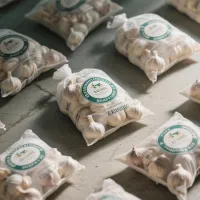
Maintaining garlic quality from farm to fork necessitates advanced cold storage methods. Professional buyers and suppliers employ temperature-controlled logistics adhering to the following parameters to prolong shelf life and retain active allicin levels:
Facilities implementing these standards, such as the cold chain infrastructure adopted by EB Commerce, ensure garlic arrives fresher, with higher nutritional value and superior taste fidelity.
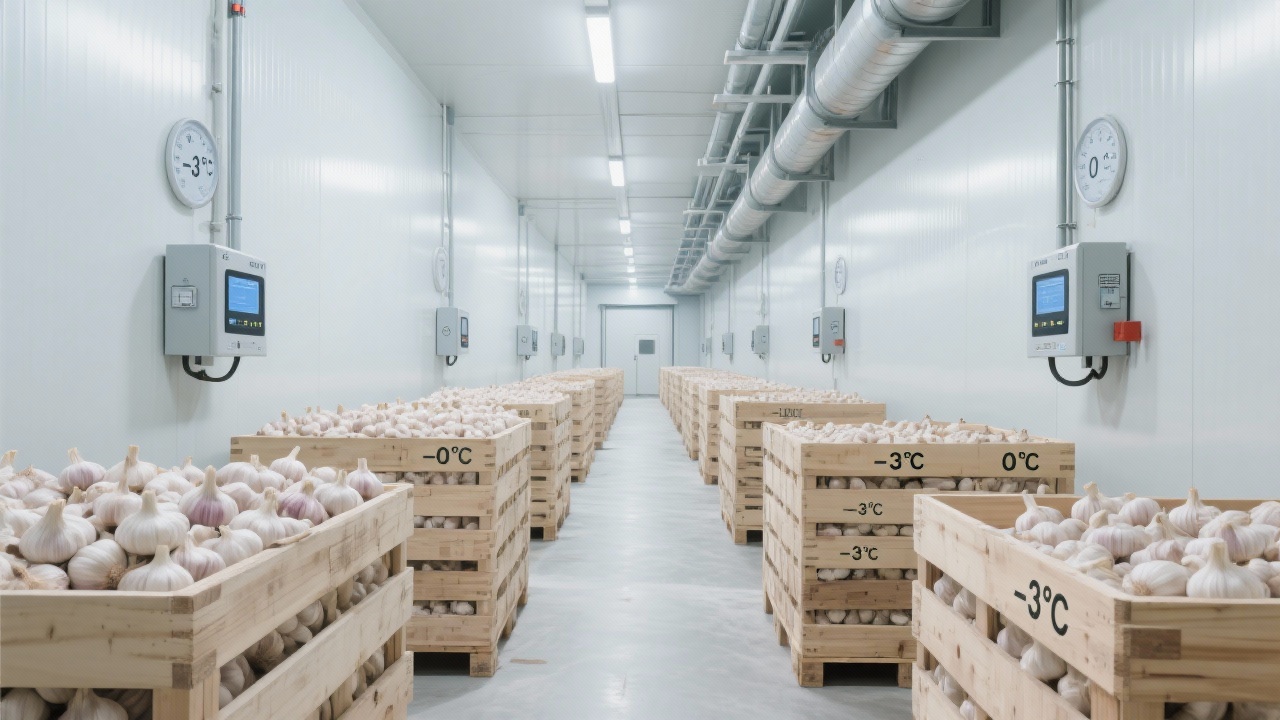
Dr. Emily Chen, a leading food safety authority, emphasizes: "Visual assessment backed by proper cold chain management is critical for mitigating microbial risks in fresh garlic supply. Buyers should insist on documented storage conditions to uphold food safety standards."
Jonathan Miller, an international procurement consultant, adds: "Leveraging appearance-based grading combined with cold storage verification empowers sourcing teams to minimize product loss and build reliable supplier partnerships."
We encourage industry professionals and buyers to engage by sharing practical tips or questions on assessing fresh garlic quality or optimizing cold storage. Your contribution enriches the community’s collective expertise and helps refine sourcing strategies.
 54
|
54
|
 garlic varieties
pure white garlic characteristics
red garlic nutrition
purple garlic culinary uses
agricultural export standards
garlic varieties
pure white garlic characteristics
red garlic nutrition
purple garlic culinary uses
agricultural export standards
 172
|
garlic selection tips
garlic storage techniques
fresh garlic packaging
garlic保鲜方法
garlic export management
172
|
garlic selection tips
garlic storage techniques
fresh garlic packaging
garlic保鲜方法
garlic export management
 96
|
garlic variety selection
international culinary garlic applications
fresh garlic supply solutions
kitchen garlic usage tips
mesh bag garlic packaging benefits
96
|
garlic variety selection
international culinary garlic applications
fresh garlic supply solutions
kitchen garlic usage tips
mesh bag garlic packaging benefits
 289
|
garlic cold chain temperature control
agricultural cold storage technology
cold chain management benefits
garlic export preservation guide
HACCP cold chain compliance
289
|
garlic cold chain temperature control
agricultural cold storage technology
cold chain management benefits
garlic export preservation guide
HACCP cold chain compliance
 132
|
export garlic preservation
professional cold storage
garlic refrigeration temperature
garlic packaging methods
food supply chain management
132
|
export garlic preservation
professional cold storage
garlic refrigeration temperature
garlic packaging methods
food supply chain management


.png?x-oss-process=image/resize,h_600,m_lfit/format,webp)





.png?x-oss-process=image/resize,h_200,m_lfit/format,webp)





 TikTok
 Facebook