
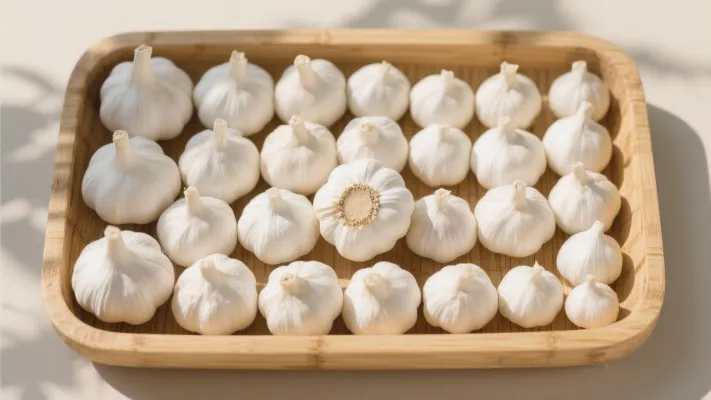
Garlic, a staple in kitchens worldwide, is more than just a flavor enhancer. This humble bulb contains a wealth of bioactive compounds that have been studied for their potential health benefits for centuries. Recent research continues to validate what ancient civilizations intuitively knew – garlic is a nutritional powerhouse that deserves a prominent place in our daily diets.
At the heart of garlic's therapeutic properties are sulfur-containing compounds, most notably allicin. When garlic is crushed or chopped, an enzyme called alliinase converts alliin into allicin, which then breaks down into various sulfides with health-promoting effects. According to a study published in the Journal of Nutrition, these compounds exhibit antioxidant activity equivalent to 1,500 mg of vitamin C per 100g of fresh garlic.
Fresh garlic also contains significant amounts of vitamin C (approximately 31.2 mg per 100g), vitamin B6 (0.5 mg per 100g), manganese (1.2 mg per 100g), and selenium (14.2 mcg per 100g) – all essential nutrients that support various bodily functions from immune response to energy metabolism.
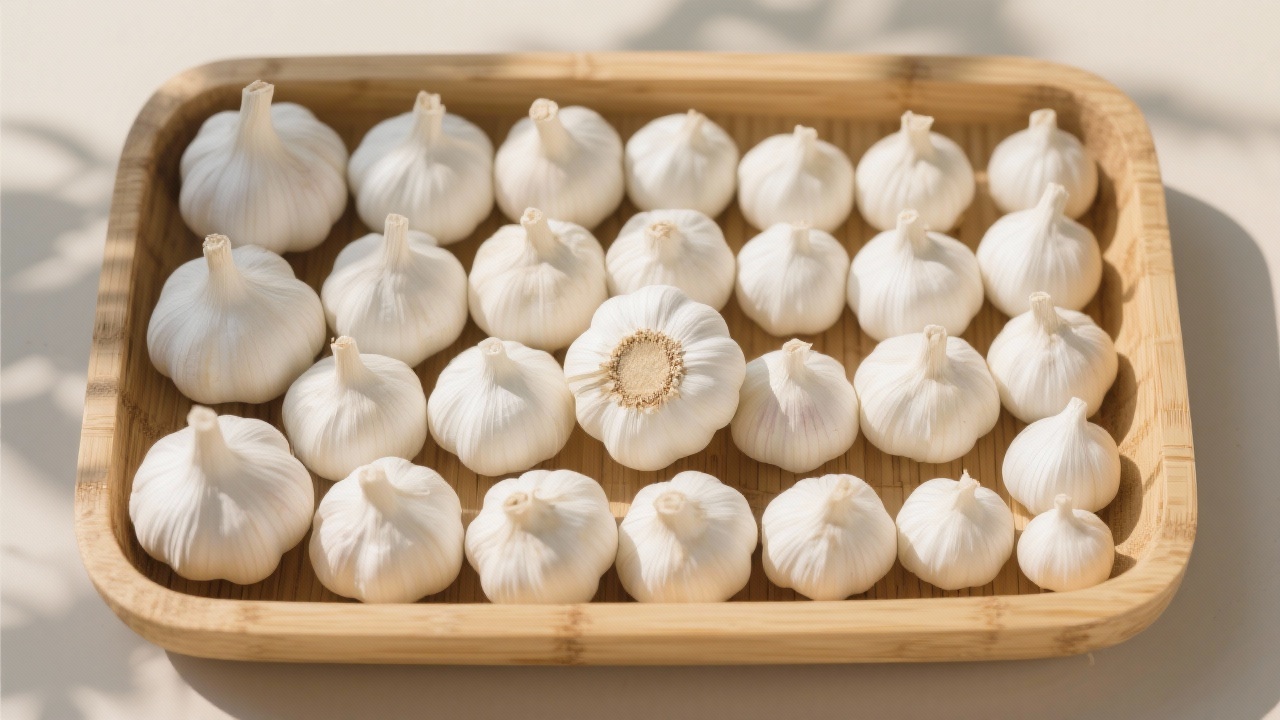
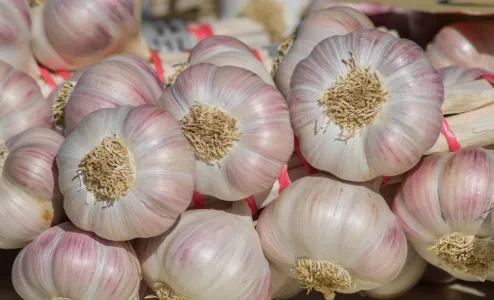
Not all garlic is created equal. The three most common varieties – white, red, and purple garlic – each offer unique nutritional profiles:
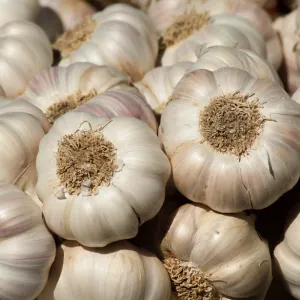
Known for its mild flavor and large cloves, white garlic typically contains higher allicin levels (up to 1.4 mg/g) compared to other varieties, making it excellent for immune support.
Recognizable by its reddish-purple stripes, red garlic has higher antioxidant content, particularly anthocyanins, which contribute to its vibrant color and cardiovascular benefits.
With the most intense flavor, purple garlic boasts the highest concentration of polyphenols (up to 185 mg GAE/100g) and exhibits superior antimicrobial properties.
Research conducted at the University of California, Davis, found that purple garlic varieties contained 20-30% higher antioxidant activity compared to white varieties, particularly beneficial for reducing oxidative stress and supporting cardiovascular health.
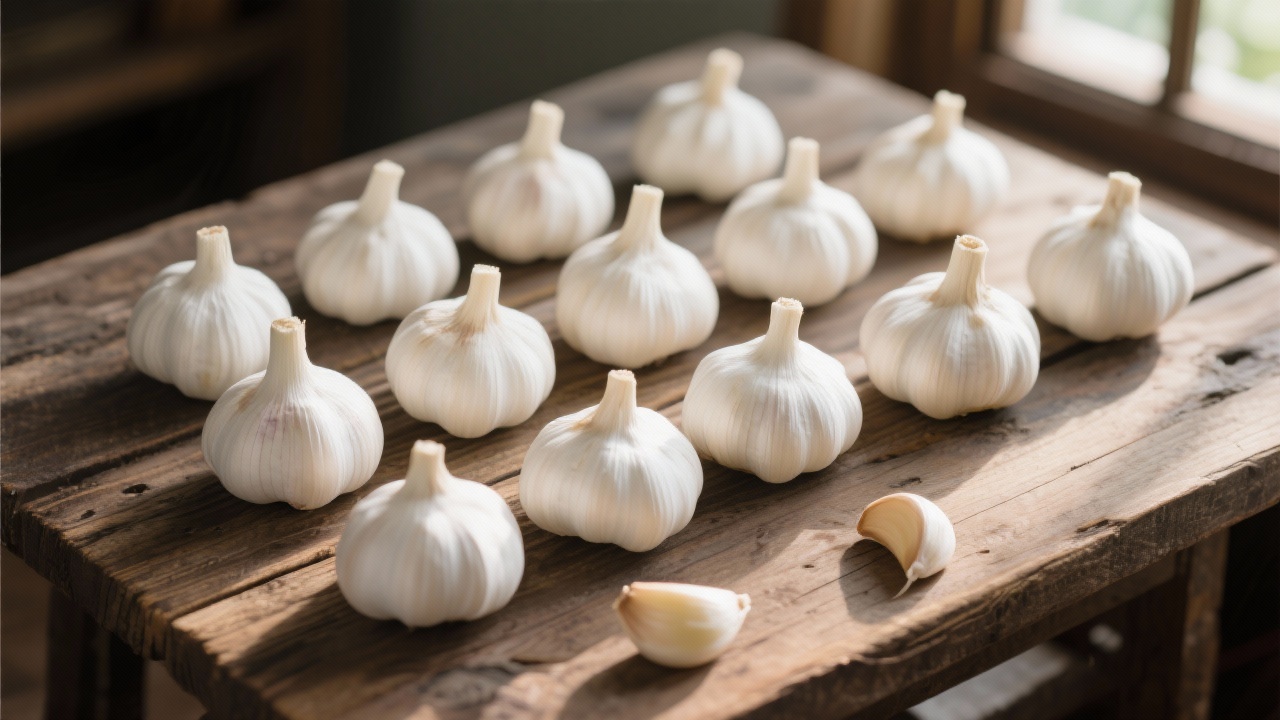
While garlic is nutritious raw, many people prefer it cooked. The key is to use cooking methods that preserve its beneficial compounds:
Studies show that microwave cooking may be one of the best methods for preserving garlic's antioxidants, with retention rates around 90% when cooked for 60 seconds or less. Conversely, boiling garlic for 10 minutes can reduce its antioxidant activity by up to 40%.
The way you combine garlic with other foods can significantly impact its nutritional benefits. Research suggests that pairing garlic with certain ingredients enhances nutrient absorption:
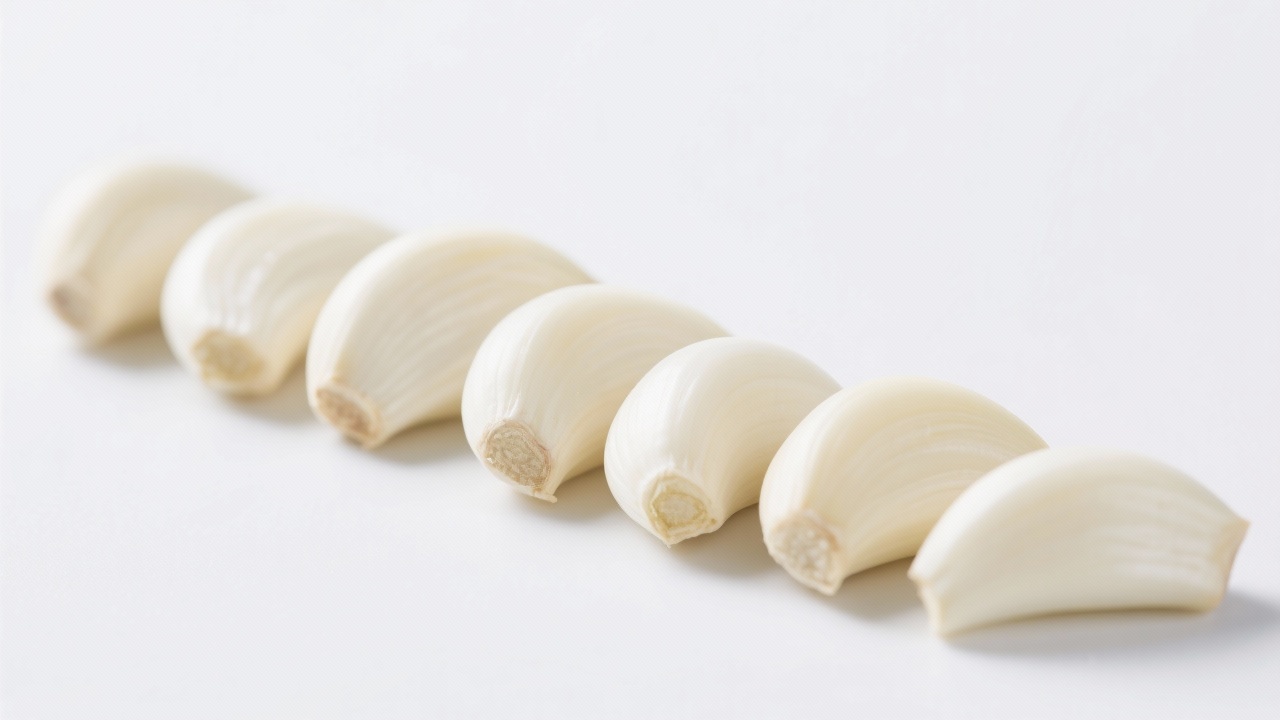
To maintain garlic's nutritional potency from farm to table, follow these expert tips:
Store unpeeled garlic in a cool, dry, well-ventilated area (60-65°F/15-18°C). Avoid refrigeration, which can cause sprouting and loss of flavor.
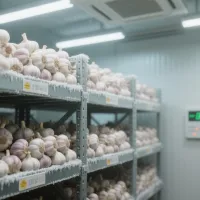
Properly stored whole garlic bulbs can last 3-6 months. Once peeled, garlic should be used within 1-2 weeks for maximum freshness.
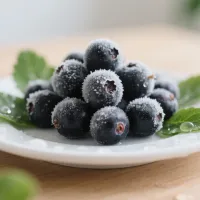
Chopped garlic can be frozen in oil or water for up to 6 months without significant nutrient loss, though some flavor may diminish over time.
The nutritional benefits of garlic begin with the quality of the bulb itself. For discerning consumers and culinary professionals seeking the freshest, most nutrient-dense garlic available, 亿商桥 (Yishangqiao) offers premium fresh garlic varieties sourced from optimal growing regions.
Discover 亿商桥's Premium Garlic SelectionIncorporating fresh garlic into your daily diet is a simple yet powerful way to support overall health. By understanding its nutritional profile, choosing the right variety, employing proper cooking techniques, and selecting high-quality bulbs, you can maximize the health benefits this remarkable vegetable has to offer. Whether you're creating a family meal or professional culinary masterpiece, the difference in both flavor and nutrition will be unmistakable.
 216
|
216
|
 garlic cold storage and preservation
HACCP standards
cold - chain logistics
agricultural product export
supply chain management
garlic cold storage and preservation
HACCP standards
cold - chain logistics
agricultural product export
supply chain management
 455
|
European white garlic procurement
Grade A white garlic
White garlic marketing
White garlic packaging
White garlic promotion strategies
455
|
European white garlic procurement
Grade A white garlic
White garlic marketing
White garlic packaging
White garlic promotion strategies
 261
|
garlic cold storage temperature
sea freight produce preservation
cold chain logistics for agriculture
HACCP certification in food transport
post-harvest garlic handling
261
|
garlic cold storage temperature
sea freight produce preservation
cold chain logistics for agriculture
HACCP certification in food transport
post-harvest garlic handling
 190
|
garlic export packaging
cold chain logistics optimization
food supply chain efficiency
net bag design
cargo damage reduction
190
|
garlic export packaging
cold chain logistics optimization
food supply chain efficiency
net bag design
cargo damage reduction
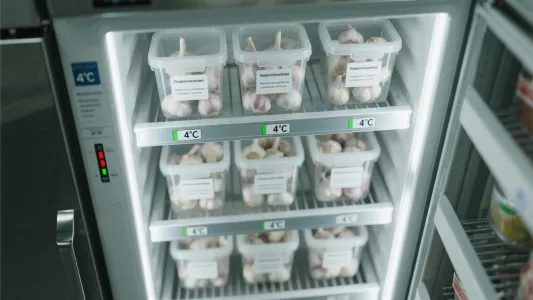 238
|
garlic cold storage
restaurant food preservation
cold chain management
garlic保鲜技术
food waste reduction
238
|
garlic cold storage
restaurant food preservation
cold chain management
garlic保鲜技术
food waste reduction


.png?x-oss-process=image/resize,h_600,m_lfit/format,webp)






.png?x-oss-process=image/resize,h_200,m_lfit/format,webp)





 TikTok
 Facebook