
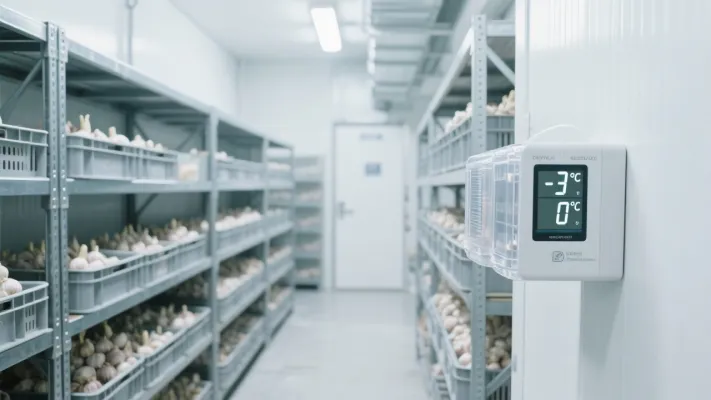
For garlic exporters and distributors, maintaining product quality from farm to market is the ultimate challenge. Research shows that improper storage can reduce garlic shelf life by up to 60% while diminishing nutritional value and market appeal. The solution lies in precise temperature control and scientific storage practices that preserve garlic's natural freshness.
Fresh garlic is a living organism with active metabolic processes even after harvest. Its physiology presents unique storage challenges:
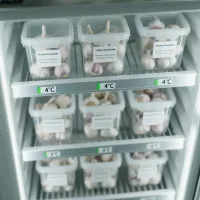
Dr. James Wilson, Post-Harvest Specialist at the International Produce Research Center explains: "Garlic's dormancy period can be effectively extended through temperature manipulation. The -3℃ to 0℃ range creates an optimal balance that slows respiration without causing freeze damage, potentially extending shelf life by 40-60% compared to conventional storage methods."
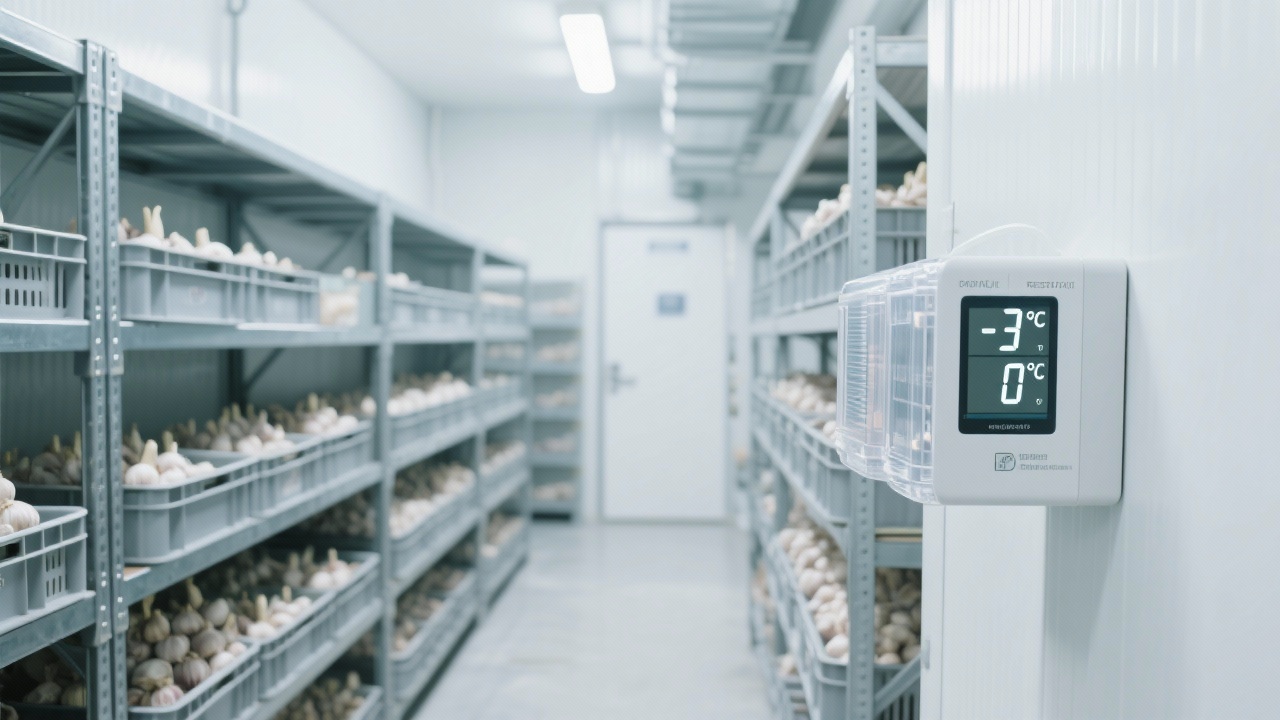
Maintaining a constant temperature within this narrow range offers multiple benefits:
At 0℃, garlic respiration rate decreases by approximately 70% compared to storage at room temperature (20℃), significantly reducing starch conversion and nutrient loss.
Temperatures below 5℃ effectively suppress sprouting, with studies showing only 5% sprouting incidence at -1℃ compared to 85% at 10℃ storage after 6 months.
Proper temperature combined with optimal humidity (65-70%) limits transpiration, keeping weight loss below 3% over 4 months compared to 15% in uncontrolled environments.
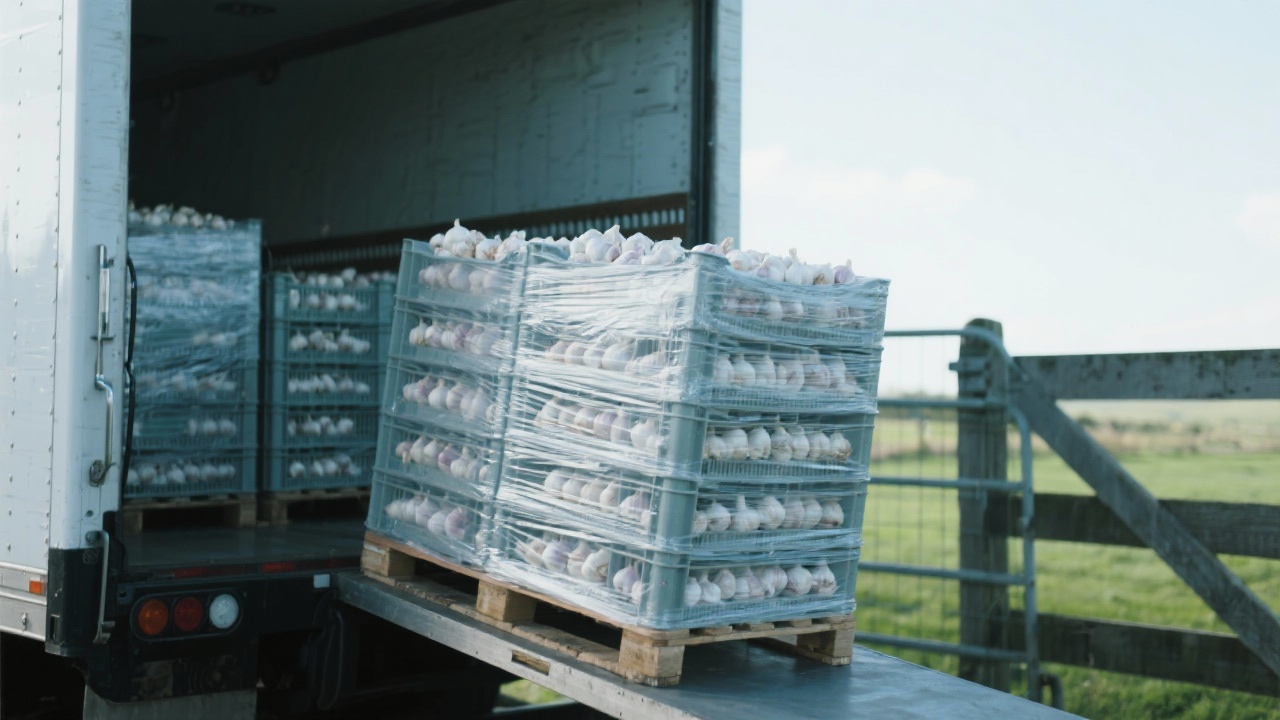
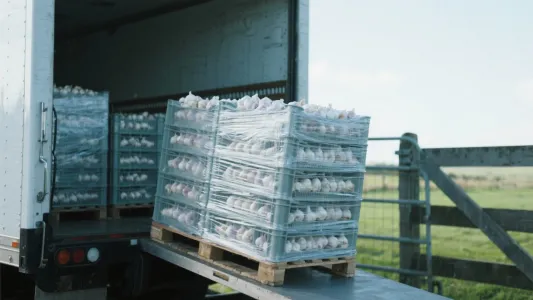
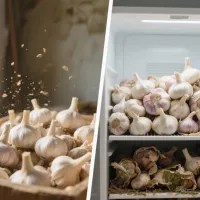
Even with perfect temperature control, improper stacking can compromise garlic quality. Successful storage requires attention to these details:
Investing in the right equipment is essential for maintaining the critical temperature range. Key considerations include:
Choose refrigeration units with precision control (±0.3℃) and backup systems. Energy-efficient models with variable speed compressors can reduce operating costs by 25% while maintaining stability.
Dehumidifiers and humidifiers should maintain relative humidity between 65-70%. Automated systems with digital monitoring reduce humidity fluctuations by up to 80% compared to manual adjustment.
Wireless sensor networks provide real-time data on temperature, humidity, and ethylene levels. Systems with remote alerts can prevent losses by notifying managers immediately of deviations.
Green Valley Farms, a leading garlic producer in California, implemented these temperature-controlled storage techniques with impressive results:
"The temperature-controlled storage system transformed our business model," says Maria Gonzalez, Operations Director at Green Valley Farms. "We now maintain consistent quality that meets the strict standards of European and Asian markets, even during off-season periods."
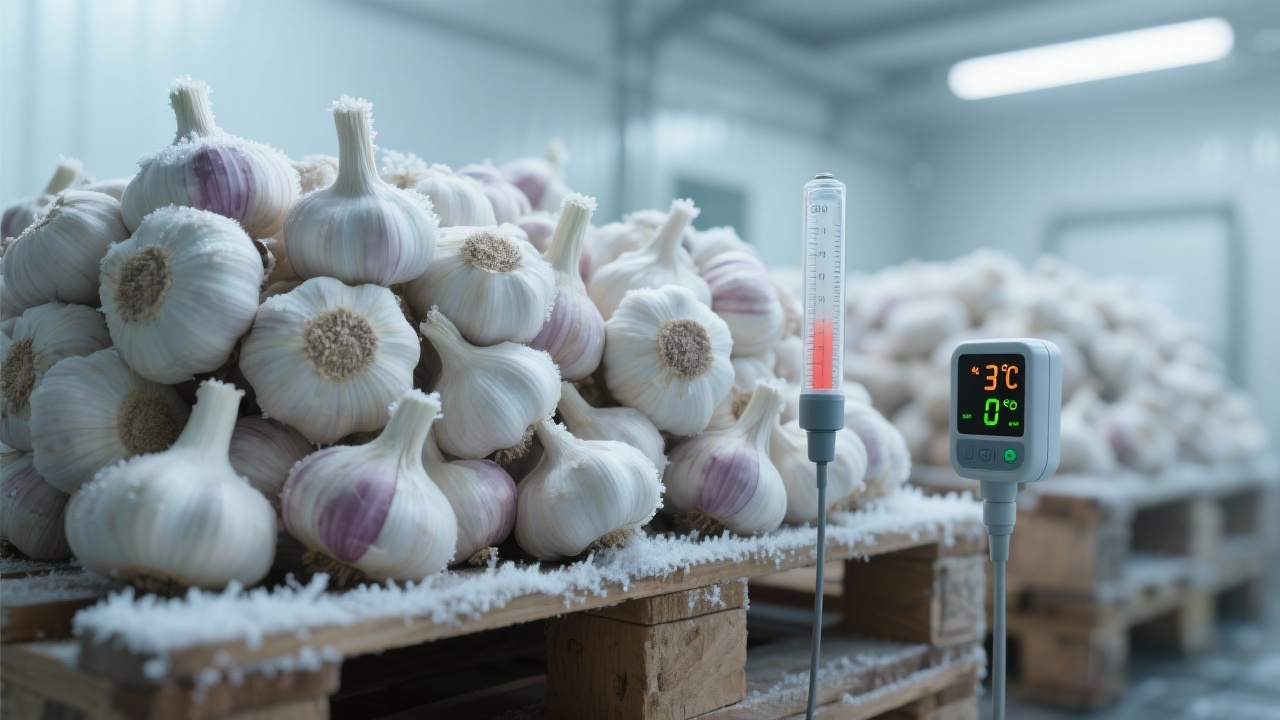
Maintaining the cold chain from harvest to market is crucial for international garlic trade. Each break in the cold chain can reduce shelf life by 7-10 days. Successful exporters implement:
亿商桥 specializes in providing complete cold chain solutions that maintain the critical -3℃ to 0℃ temperature range throughout your supply chain.
Discover亿商桥's Garlic Storage SolutionsImplementing these scientific storage techniques requires careful planning and investment, but the returns are substantial. By maintaining precise temperature control, optimizing stacking practices, and investing in proper monitoring equipment, garlic producers and exporters can significantly extend shelf life, reduce losses, and access international markets year-round. The key is recognizing that garlic storage isn't just about keeping products cold—it's about creating the optimal environment that preserves quality from harvest to consumer.
 339
|
339
|
 professional cold storage for garlic
garlic preservation temperature control
restaurant supply chain management
garlic quality control solutions
low-temperature refrigeration technology
professional cold storage for garlic
garlic preservation temperature control
restaurant supply chain management
garlic quality control solutions
low-temperature refrigeration technology
 146
|
year-round garlic supply
China garlic planting technology
Grade A garlic quality
crop rotation system
intelligent garlic storage
146
|
year-round garlic supply
China garlic planting technology
Grade A garlic quality
crop rotation system
intelligent garlic storage
 69
|
fresh garlic selection
garlic storage techniques
export garlic procurement
garlic freshness preservation
agricultural product packaging
69
|
fresh garlic selection
garlic storage techniques
export garlic procurement
garlic freshness preservation
agricultural product packaging
 298
|
ginger health benefits
ginger extract processing
bioactive compounds in ginger
natural remedies for colds
functional food ingredients
309
|
Grade A white garlic
Identification of high - quality garlic
Garlic quality standards
White garlic procurement guide
Garlic supply advantages
298
|
ginger health benefits
ginger extract processing
bioactive compounds in ginger
natural remedies for colds
functional food ingredients
309
|
Grade A white garlic
Identification of high - quality garlic
Garlic quality standards
White garlic procurement guide
Garlic supply advantages


.png?x-oss-process=image/resize,h_600,m_lfit/format,webp)





.png?x-oss-process=image/resize,h_200,m_lfit/format,webp)





 TikTok
 Facebook