
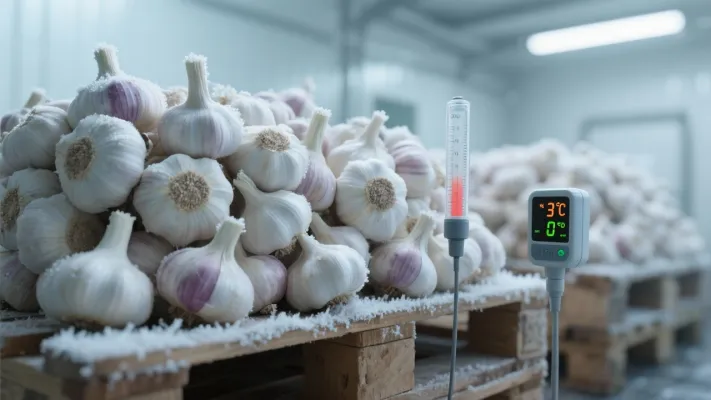
For garlic producers and distributors, maintaining optimal freshness from harvest to market is not just a challenge—it directly impacts profitability. Statistics show that improper storage can lead to up to 30% product loss, with issues like sprouting, mold growth, and texture degradation being the primary culprits. In international trade, where garlic may travel weeks across continents, these challenges multiply exponentially.
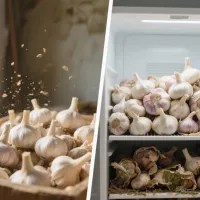
Fresh garlic is a living organism with ongoing metabolic activities even after harvest. Its high moisture content (approximately 60-70%) and respiration rate make it particularly susceptible to quality deterioration. The key enemies of garlic storage include:
Have you ever opened a container of garlic only to find soft, sprouting cloves or unpleasant mold growth? These issues aren't just quality concerns—they represent significant financial losses in the competitive global market.
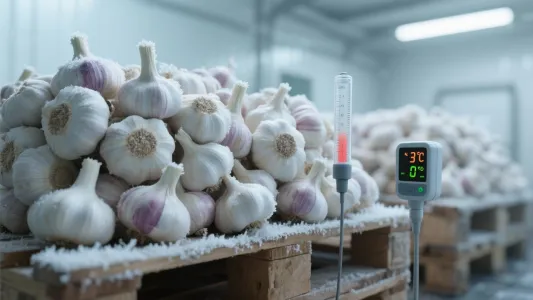
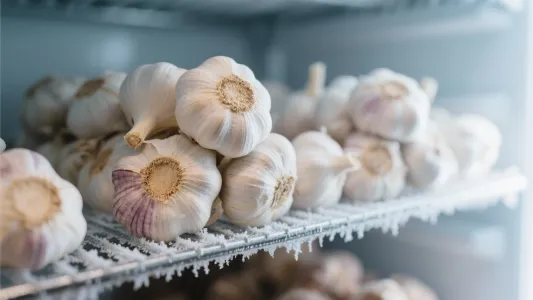
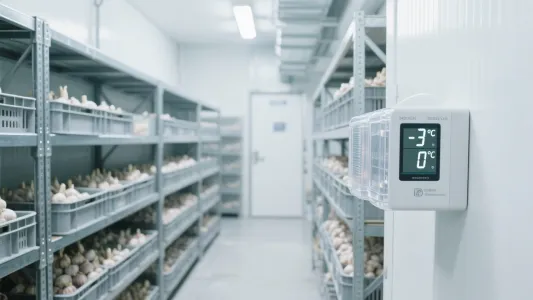
Research conducted by agricultural extension services across major garlic-producing regions confirms that the ideal storage temperature range for fresh garlic lies between -3°C and 0°C (26.6°F to 32°F). This temperature bracket achieves three critical objectives:
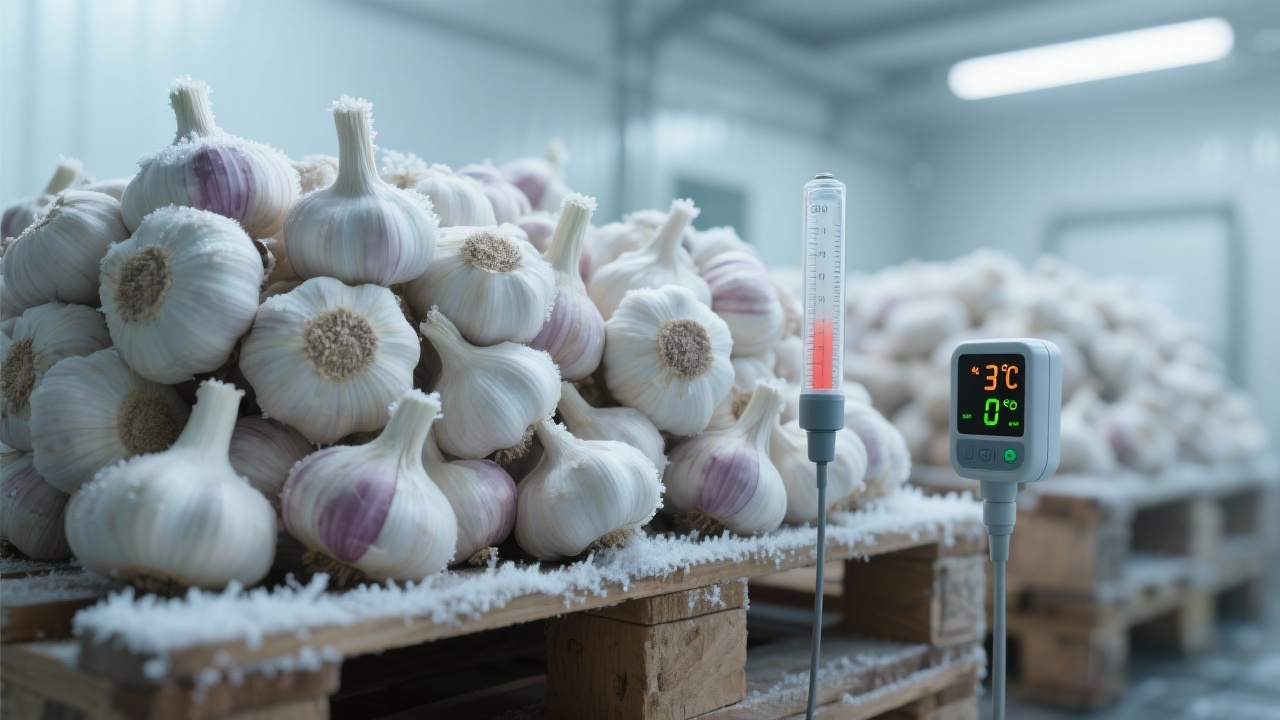
Expert Insight: "Maintaining precise temperature control within this narrow range is more critical than many producers realize. A fluctuation of just 2-3 degrees can double sprouting rates within two weeks of storage," explains Dr. Maria Hernandez, Post-Harvest Specialist at the International Fresh Produce Association.
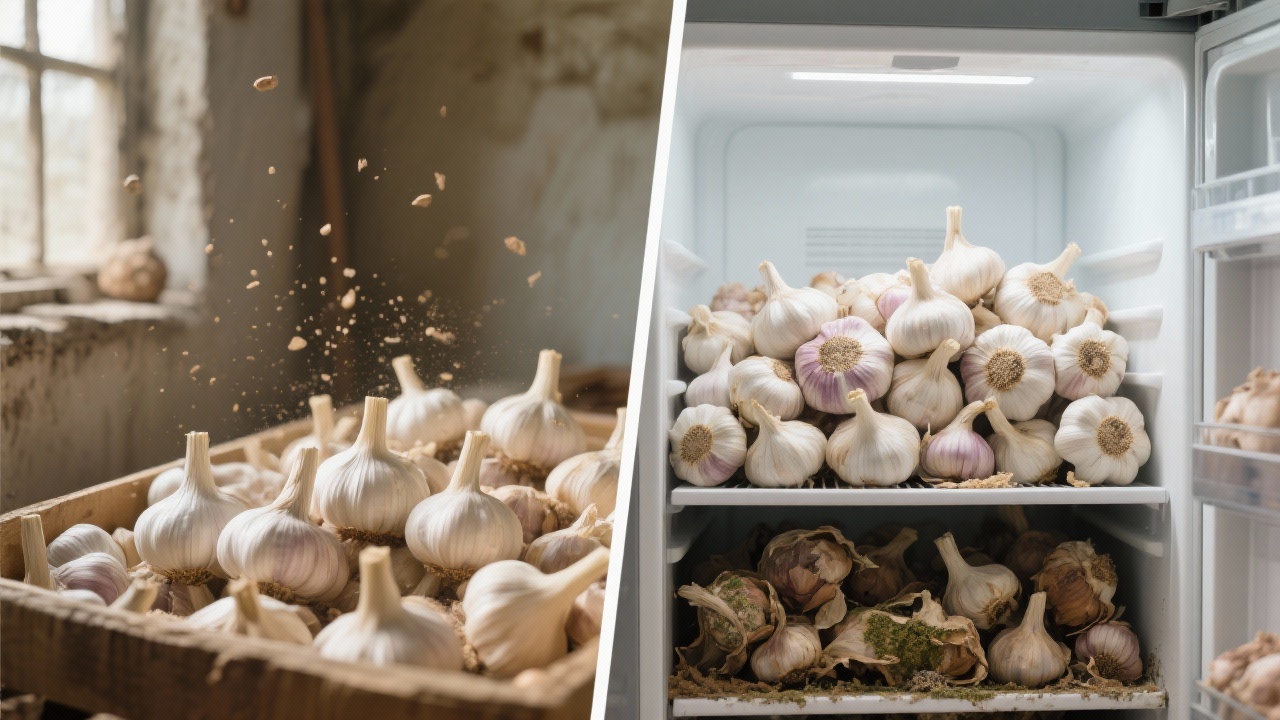
While temperature often receives the most attention, humidity control is equally vital in garlic storage. The recommended relative humidity range is 65-75%. This balance prevents two common issues:
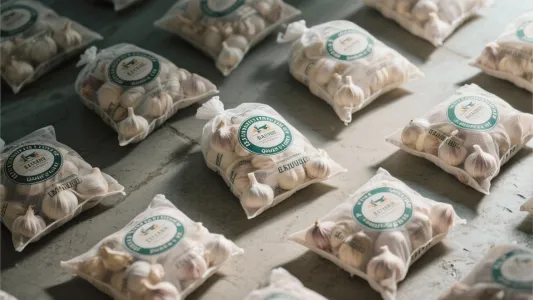
Storage container design and stacking methods significantly impact garlic quality preservation. The single-layer平铺 approach has proven most effective in commercial settings, allowing for uniform air circulation and temperature distribution.
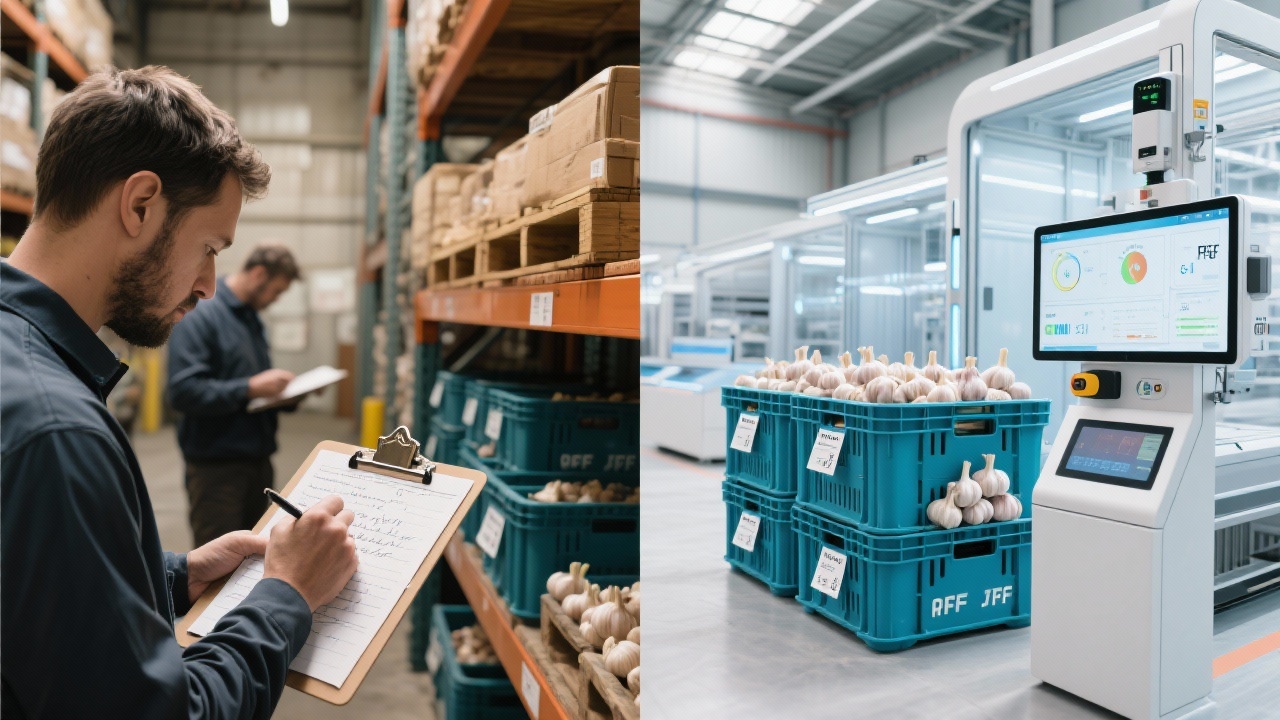
Key stacking principles include:
Modern garlic storage facilities utilize sophisticated monitoring systems to maintain optimal conditions. Wireless sensor networks can track temperature and humidity in real-time, sending alerts when parameters deviate from the set ranges. This technology has reduced storage losses by an average of 18% according to industry reports.
Comprehensive record-keeping is equally important for international trade. Detailed logs should document:
When every degree and percentage point matters for your garlic's market value, trust the expertise that international buyers recognize. 亿商桥 combines scientific storage principles with industry-leading packaging technology to deliver garlic that meets the highest global standards.
Discover 亿商桥's Premium Garlic Storage SolutionsFor garlic exporters targeting demanding markets in Europe, North America, and Asia, these storage protocols aren't optional—they're essential for meeting strict import quality standards. The difference between a premium price and a discounted one often comes down to how effectively you've managed these critical storage parameters.
 438
|
438
|
 garlic varieties comparison
allicin content
garlic export
garlic flavor profiles
nutritional value of garlic
garlic varieties comparison
allicin content
garlic export
garlic flavor profiles
nutritional value of garlic
 77
|
garlic storage tips
restaurant food preservation
garlic freshness techniques
food waste reduction in kitchens
ventilated garlic packaging
77
|
garlic storage tips
restaurant food preservation
garlic freshness techniques
food waste reduction in kitchens
ventilated garlic packaging
 154
|
High - quality white garlic selection
Fresh garlic identification
Garlic storage methods
Grade A garlic standards
High - quality garlic procurement
154
|
High - quality white garlic selection
Fresh garlic identification
Garlic storage methods
Grade A garlic standards
High - quality garlic procurement
 325
|
garlic storage techniques
cold chain garlic supply
restaurant ingredient management
fresh garlic preservation
garlic ventilation packaging
325
|
garlic storage techniques
cold chain garlic supply
restaurant ingredient management
fresh garlic preservation
garlic ventilation packaging
 78
|
fresh garlic cold storage
garlic storage temperature control
garlic preservation method
constant temperature garlic storage
agricultural cold chain management
78
|
fresh garlic cold storage
garlic storage temperature control
garlic preservation method
constant temperature garlic storage
agricultural cold chain management

.png?x-oss-process=image/resize,h_600,m_lfit/format,webp)






.png?x-oss-process=image/resize,h_200,m_lfit/format,webp)





 TikTok
 Facebook