
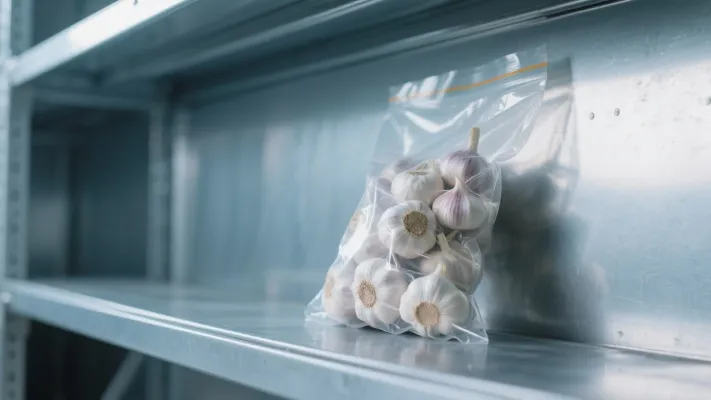
For garlic exporters and food industry professionals, maintaining optimal freshness from harvest to market is not just a matter of quality—it directly impacts profitability and customer satisfaction. This comprehensive guide explores the science behind garlic preservation, offering actionable strategies to extend shelf life while preserving nutritional value and market appeal.
Global garlic trade faces significant losses annually due to improper storage practices. According to post-harvest research data, approximately 15-20% of fresh garlic shipments are compromised by sprouting, mold growth, or quality degradation before reaching international markets. For exporters, this translates to not just financial losses but potential damage to brand reputation and customer trust.
Understanding the biological factors affecting garlic storage is the first step toward implementing effective preservation systems. Garlic bulbs remain metabolically active after harvest, continuing to respire and undergo chemical changes that can significantly impact shelf life. The key is creating environmental conditions that slow these processes without compromising the bulb's natural protective mechanisms.
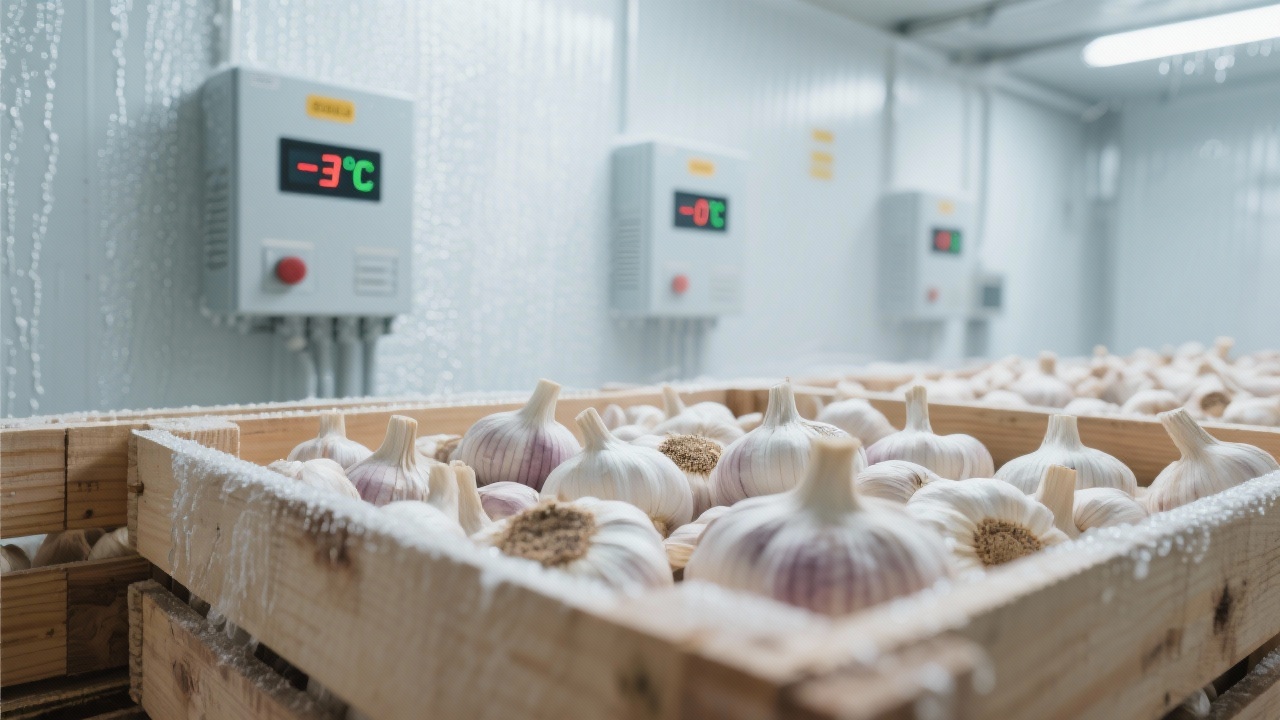
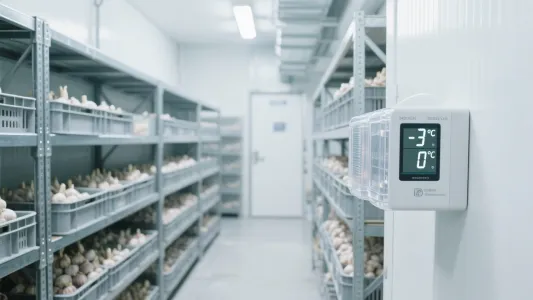
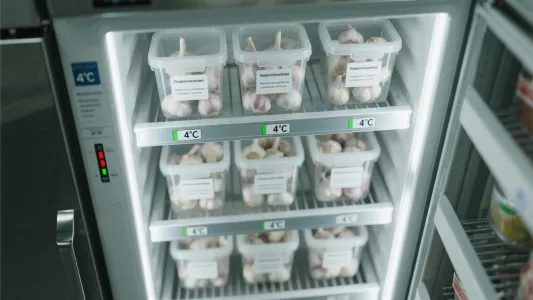
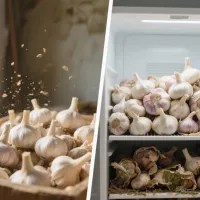
Research conducted by agricultural extension services worldwide consistently identifies temperature as the most critical factor in garlic preservation. The ideal storage temperature range for commercial garlic preservation is between 0°C (32°F) and 4°C (39°F). This temperature window effectively slows sprouting and metabolic activity while avoiding freezing damage.
Studies show that garlic stored at temperatures above 10°C (50°F) experiences accelerated sprouting, with significant quality degradation occurring within 4-6 weeks. Conversely, storage below -1°C (30°F) causes cellular damage, resulting in a rubbery texture and flavor loss upon thawing.
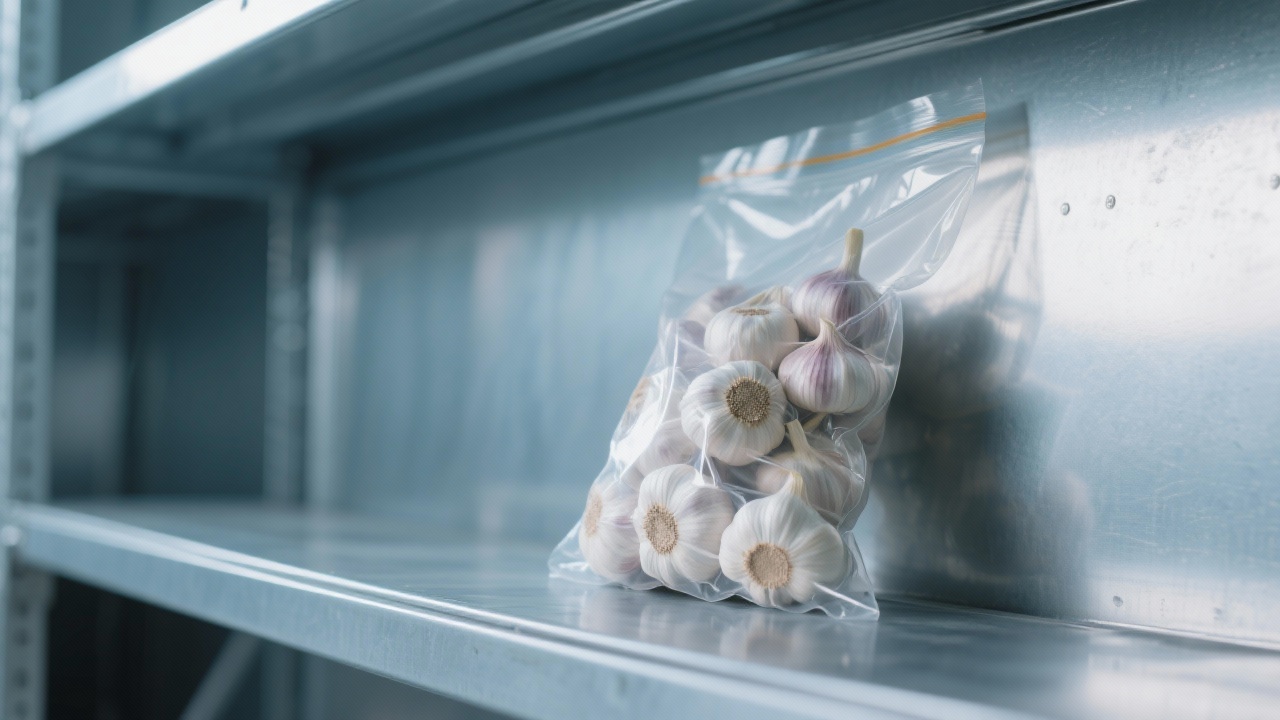
Maintaining proper humidity levels presents a unique challenge in garlic storage. The recommended relative humidity (RH) range is precisely 60-70%. This balance prevents two common storage issues:
Commercial storage facilities often utilize sophisticated humidity control systems, but even basic storage areas can benefit from simple monitoring tools like digital hygrometers, which provide real-time RH readings.
Adequate ventilation is essential for removing ethylene gas produced by the garlic bulbs and preventing localized humidity buildup. Studies indicate that proper air exchange can reduce spoilage rates by up to 30% compared to stagnant air environments.
Effective ventilation systems should provide a complete air exchange every 1-2 hours. For bulk storage, this translates to maintaining clear air pathways between crates and avoiding overpacking, which restricts airflow and creates microclimates within storage containers.
While often overlooked, light exposure significantly impacts garlic quality during storage. Even moderate light levels can trigger photosynthetic activity in garlic bulbs, leading to greening of cloves and the development of bitter compounds.
Research demonstrates that garlic stored in complete darkness maintains its flavor profile and appearance up to 40% longer than garlic exposed to light. This makes opaque storage containers or light-blocking storage rooms essential for maintaining premium quality.
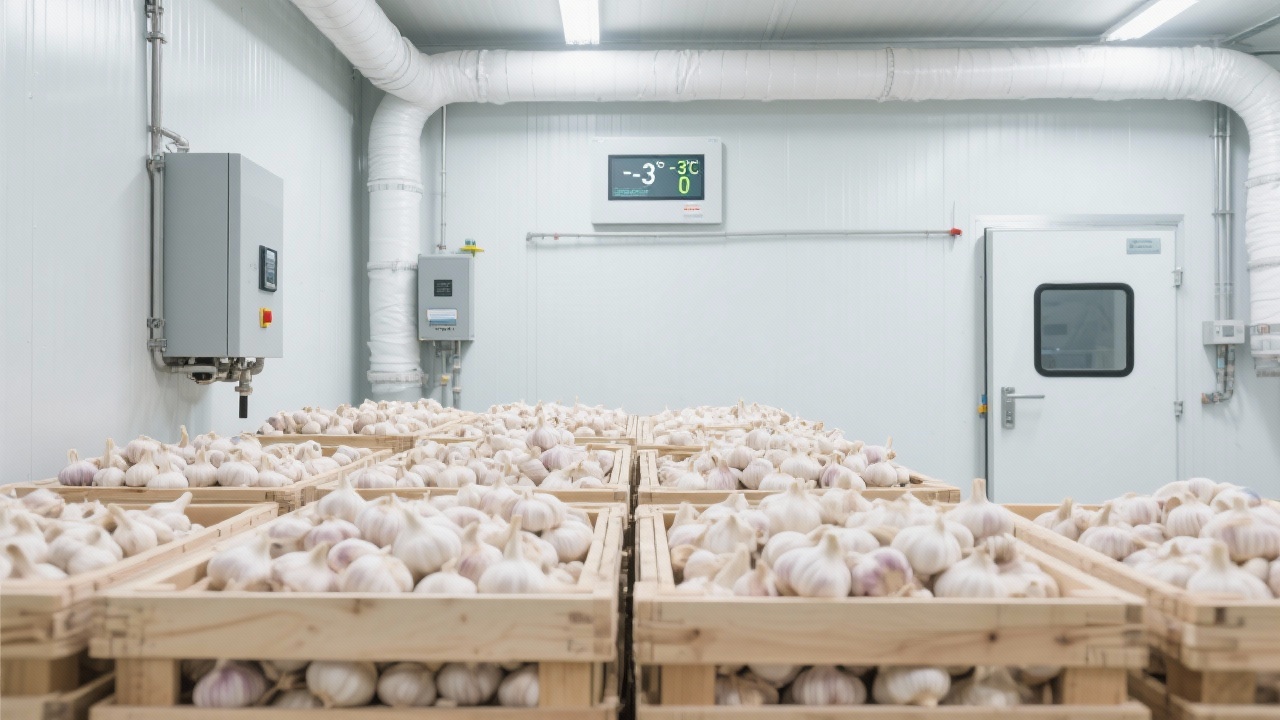
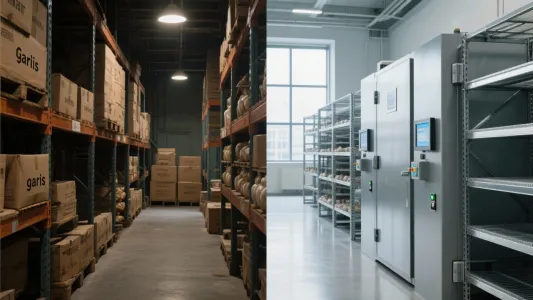
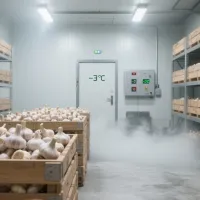
Ideal for medium to long-term storage (2-6 months), commercial cold storage provides precise temperature and humidity control. When implementing cold storage:
Case study data from major garlic exporters shows that properly managed cold storage can maintain marketable quality for up to 6 months, compared to just 4-6 weeks under ambient conditions.
Suitable for short to medium-term storage (1-3 months), ventilated阴凉 storage relies on natural air flow and ambient temperature regulation. Key implementation factors include:
This method is particularly effective in temperate climates with naturally low humidity levels and can significantly reduce energy costs compared to refrigerated storage.
For premium garlic varieties or extended storage requirements (6+ months), controlled atmosphere (CA) storage offers the most advanced preservation method. CA storage modifies oxygen, carbon dioxide, and nitrogen levels to further slow metabolic processes:
While CA storage represents a higher initial investment, many exporters find the extended shelf life and quality preservation justify the cost, especially for specialty garlic varieties.
Fact: While refrigeration slows sprouting, garlic stored for extended periods at temperatures below 0°C can develop "chill injury," characterized by pitting, internal discoloration, and increased susceptibility to decay upon warming. The optimal temperature range balances sprouting inhibition with cellular integrity preservation.
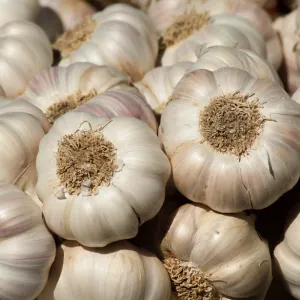
Fact: Research conclusively shows that washing garlic before storage increases microbial load and moisture content, significantly accelerating spoilage. Properly cured garlic has natural protective skins that should remain intact until just before use. Any surface dirt should be brushed off rather than washed.
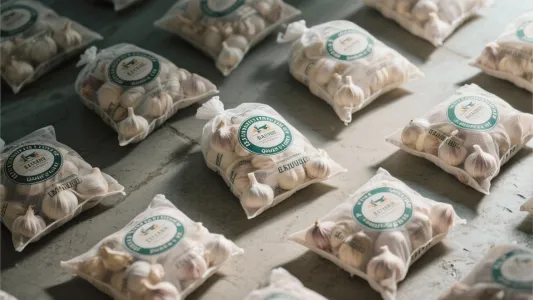
Fact: Airtight containers trap ethylene gas and moisture, creating ideal conditions for mold growth and sprouting. Proper storage requires both moisture control and gas exchange. Perforated containers or mesh bags provide the optimal balance of protection and ventilation.
Preventing mold growth and insect infestation is critical for maintaining garlic quality during storage. Integrated pest management approaches combine physical, biological, and chemical-free methods:
The most common storage pests affecting garlic include the garlic bulb mite (Rhizoglyphus echinopus) and the onion maggot (Delia antiqua). Effective control measures include:
Implement this quick assessment weekly to ensure your garlic storage system maintains optimal conditions:
Documenting these checks creates a valuable record of storage conditions and helps identify trends before they impact product quality.
亿商桥 provides comprehensive supply chain solutions for agricultural exporters, including specialized storage consulting to maximize product freshness and market value.
Discover Export-Ready Storage Solutions想了解更多食材保鲜秘诀?关注我们获取每周干货指南
 288
|
288
|
 year-round garlic supply
climate-adaptive breeding
crop rotation optimization
garlic planting management
agricultural technology
year-round garlic supply
climate-adaptive breeding
crop rotation optimization
garlic planting management
agricultural technology
 459
|
Shandong garlic planting standardization
EU agricultural inspection standards
China A-grade garlic origin
agricultural standardization system
garlic cold chain logistics
459
|
Shandong garlic planting standardization
EU agricultural inspection standards
China A-grade garlic origin
agricultural standardization system
garlic cold chain logistics
 432
|
garlic
cold
chain
management
premium
garlic
supply
chain
constant
temperature
cold
storage
garlic
freshness
preservation
Yishangqiao
garlic
cold
chain
432
|
garlic
cold
chain
management
premium
garlic
supply
chain
constant
temperature
cold
storage
garlic
freshness
preservation
Yishangqiao
garlic
cold
chain
 129
|
Da Bai Garlic nutritional value
allicin benefits
immune system boost
antioxidant garlic
functional food ingredients
129
|
Da Bai Garlic nutritional value
allicin benefits
immune system boost
antioxidant garlic
functional food ingredients
 208
|
China garlic industry
smart storage
green pest control
year-round garlic supply
agricultural technology
208
|
China garlic industry
smart storage
green pest control
year-round garlic supply
agricultural technology

.png?x-oss-process=image/resize,h_600,m_lfit/format,webp)





.png?x-oss-process=image/resize,h_200,m_lfit/format,webp)





 TikTok
 Facebook