
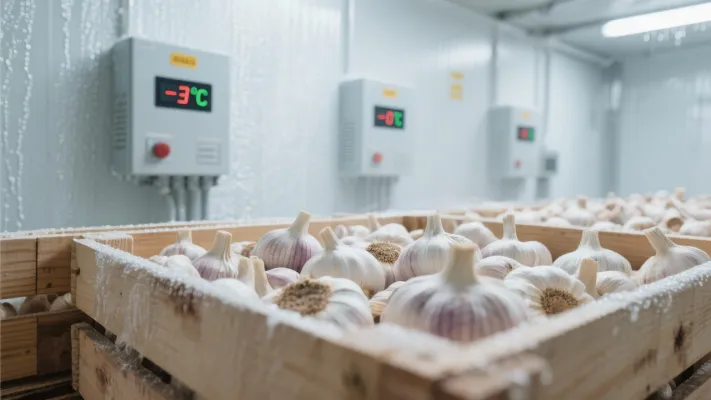
Proper storage of fresh bulk garlic is crucial for maintaining its quality, flavor, and nutritional value throughout the supply chain. As a staple ingredient in cuisines worldwide, garlic's shelf life directly impacts both commercial profitability and consumer satisfaction. This comprehensive guide explores the scientific principles behind effective garlic preservation, focusing on temperature management, humidity control, and ventilation techniques that can extend shelf life by up to 80% when implemented correctly.
Fresh garlic bulbs contain approximately 60-70% moisture and are biologically active even after harvest, continuing to respire and metabolize stored nutrients. According to post-harvest studies from the International Fresh Produce Association, improper storage conditions can lead to quality degradation within 2-3 weeks, while optimal conditions can preserve garlic for 6-9 months. The three primary factors affecting garlic's post-harvest life include temperature, relative humidity, and air circulation—each playing distinct but interconnected roles in maintaining bulb integrity.
"Garlic storage is a balance of slowing physiological processes without inducing chilling injury. The ideal conditions create a state of controlled dormancy that preserves both flavor compounds and structural integrity." — Dr. Maria Hernandez, Post-Harvest Specialist at the Global Horticultural Research Institute
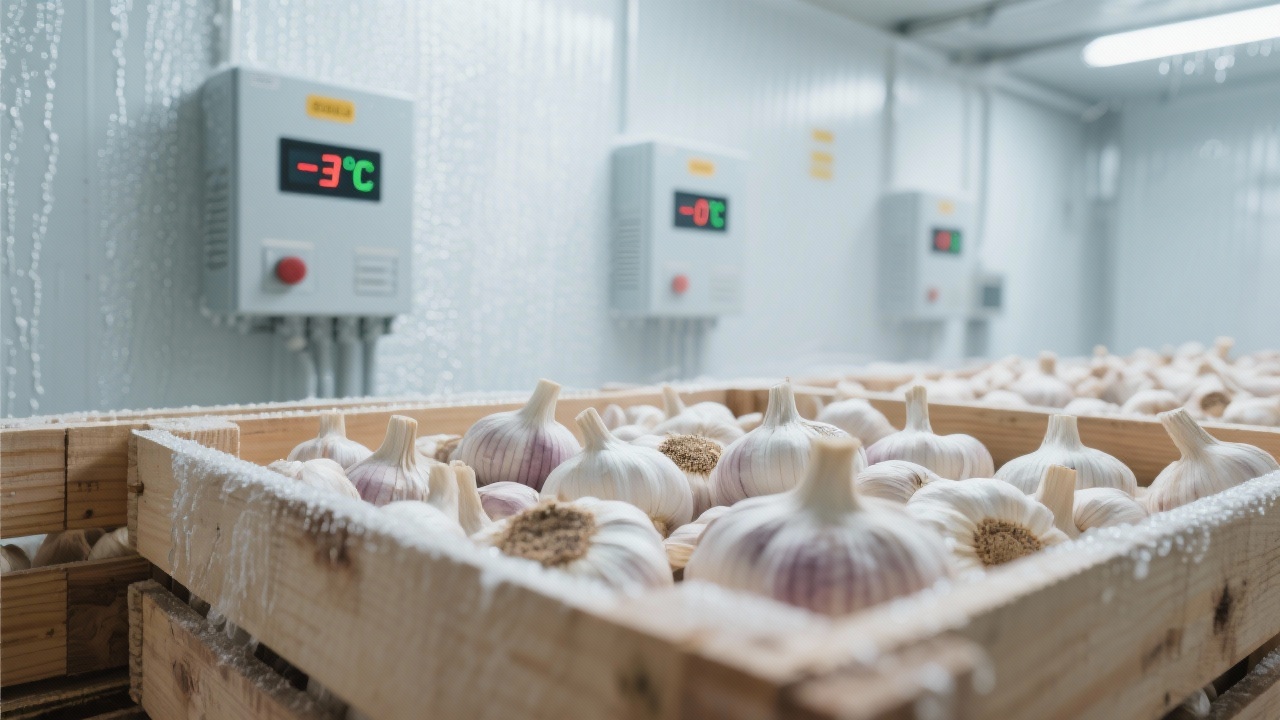
Temperature serves as the primary regulator of garlic's metabolic activity. Research indicates that the optimal storage temperature range for fresh garlic is between 0°C and 4°C (32°F and 39°F). At these temperatures, respiration rates decrease by approximately 50% compared to room temperature storage (20-25°C), significantly slowing nutrient degradation and sprouting.
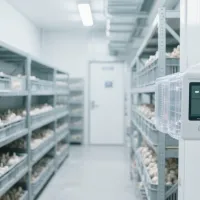
However, temperatures below -1°C (30°F) risk freezing damage, which causes cellular rupture and subsequent decay. Commercial cold storage facilities utilizing precise temperature control systems can maintain consistent conditions within ±0.5°C, providing the stability necessary for long-term garlic preservation. For small-scale operations, walk-in coolers with digital temperature monitoring offer viable alternatives to industrial solutions.
Relative humidity (RH) management presents a unique challenge in garlic storage. The ideal RH level for fresh garlic falls between 60-70%. This range prevents excessive moisture loss that causes shriveling while avoiding the high humidity conditions (above 75%) that promote mold growth and bacterial rot.
| Humidity Level | Effects on Garlic | Recommended Duration |
|---|---|---|
| Below 50% RH | Excessive dehydration, shriveling, flavor loss | 1-2 months maximum |
| 60-70% RH | Optimal moisture retention, minimal sprouting | 6-9 months |
| Above 75% RH | Increased mold growth, bacterial decay, sprouting | 2-3 weeks maximum |
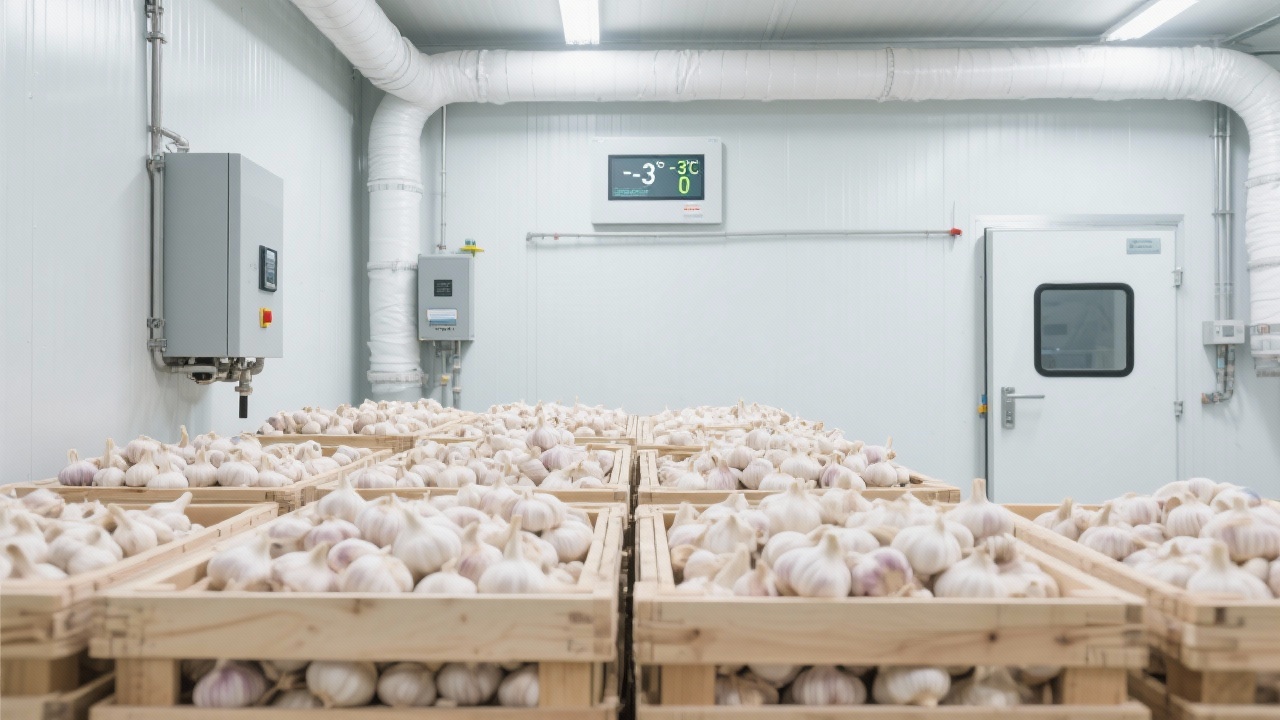
Adequate air circulation is essential for removing ethylene gas and respiratory byproducts that accelerate garlic deterioration. Stagnant air promotes localized humidity buildup and temperature variations within storage containers. Commercial storage facilities typically implement mechanical ventilation systems that exchange air 4-6 times per hour, while passive ventilation methods work effectively for smaller quantities.
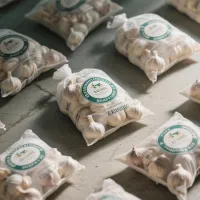
When storing garlic in bulk, proper container design significantly impacts ventilation efficiency. Perforated crates or mesh bags allow air circulation around individual bulbs, reducing condensation and mold development. Stacking containers with 5-10cm spacing between them further enhances airflow and temperature uniformity throughout storage areas.
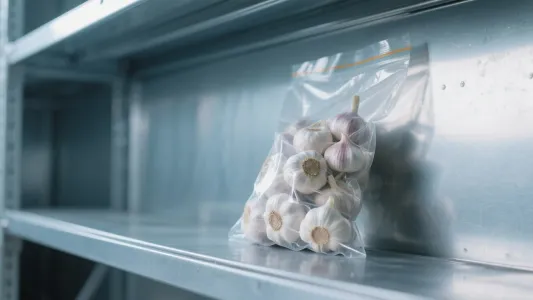
Refrigerated storage at 0-4°C with 60-70% RH offers the longest preservation period (6-9 months). Ideal for commercial distributors and large-scale operations. Use pallet racking systems to maximize air circulation and facilitate stock rotation using FIFO principles.
Suitable for short-term storage (2-3 months) in well-ventilated, dark rooms maintained at 15-20°C with 60-65% RH. Ideal for retail environments and small-scale handlers. Ensure containers are elevated off concrete floors to prevent moisture absorption.
Many garlic storage failures result from preventable errors. One common mistake is washing garlic before storage, which introduces excess moisture and increases decay risk. Instead, bulbs should be gently brushed to remove dirt while maintaining the protective outer skin.
Another frequent error involves storing garlic near ethylene-producing fruits such as apples, bananas, and tomatoes. Ethylene exposure accelerates sprouting and senescence, reducing shelf life by up to 40%. Garlic should also be kept away from strong-smelling foods as it readily absorbs odors, compromising its natural flavor profile.
Optimal storage methods vary depending on garlic's intended use and storage duration. For food service operations requiring frequent access, a dual-system approach works best: maintaining a small ambient-temperature inventory for immediate use while keeping bulk stock in cold storage. This strategy reduces temperature fluctuations that occur with frequent cold storage access.
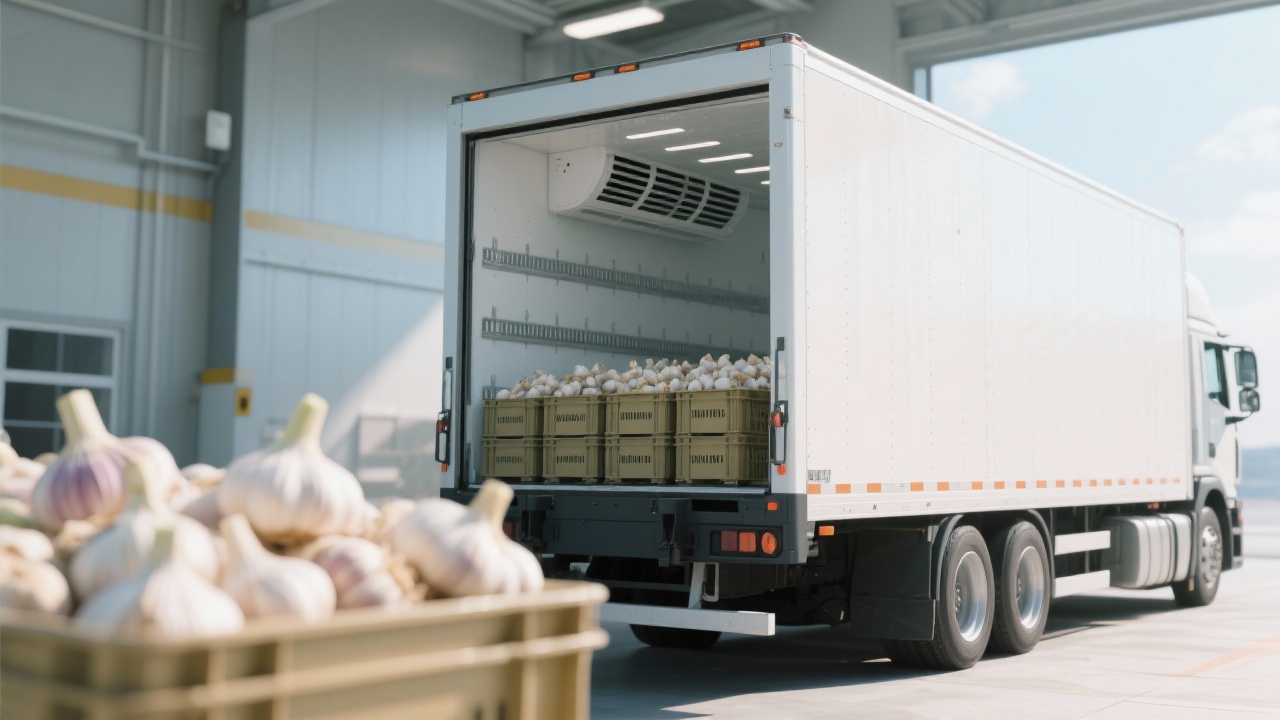
When preparing garlic for export or long-distance transport, 亿商桥 recommends pre-cooling bulbs to 2°C within 24 hours of harvest, then maintaining this temperature throughout the supply chain. This practice can extend shelf life by an additional 2-3 months compared to ambient-temperature shipping. For air-freighted garlic, specialized insulated containers with humidity control systems provide the stability needed for transcontinental transport.
Access expert guidance on implementing industry-leading storage solutions that maximize quality and profitability.
Explore Professional Storage Solutions想了解更多食材保鲜秘诀?关注我们获取每周干货指南
 67
|
67
|
 Chinese White Garlic
Garlic Export
Garlic Cold Storage
Grade A Garlic Standards
Garlic Supply Chain
Chinese White Garlic
Garlic Export
Garlic Cold Storage
Grade A Garlic Standards
Garlic Supply Chain
 286
|
fresh bulk garlic preservation
garlic storage techniques
extend garlic shelf life
garlic mold prevention
garlic export storage guide
286
|
fresh bulk garlic preservation
garlic storage techniques
extend garlic shelf life
garlic mold prevention
garlic export storage guide
 439
|
garlic varieties comparison
allicin content
garlic export
garlic flavor profiles
nutritional value of garlic
439
|
garlic varieties comparison
allicin content
garlic export
garlic flavor profiles
nutritional value of garlic
 254
|
red garlic nutrition
red garlic health benefits
red garlic antioxidant properties
red garlic consumption tips
cardiovascular protection with red garlic
254
|
red garlic nutrition
red garlic health benefits
red garlic antioxidant properties
red garlic consumption tips
cardiovascular protection with red garlic
 476
|
garlic origin compliance
China premium garlic regions
agricultural standardization practices
garlic cultivation process
post-harvest pre-cooling technology
476
|
garlic origin compliance
China premium garlic regions
agricultural standardization practices
garlic cultivation process
post-harvest pre-cooling technology



.png?x-oss-process=image/resize,h_600,m_lfit/format,webp)





.png?x-oss-process=image/resize,h_200,m_lfit/format,webp)





 TikTok
 Facebook