
Garlic is a staple ingredient in cuisines around the world, yet many people are unaware of the significant differences among various garlic varieties. In this article, based on Yishangqiao's years of experience in exporting agricultural products and feedback from professional chefs, we will systematically analyze the differences between four common garlic varieties: white garlic, red garlic, purple garlic, and large white garlic.
There are numerous garlic varieties in the market, but white garlic, red garlic, purple garlic, and large white garlic are the most commonly exported ones. However, there are still many blind spots in market recognition. For example, some consumers may not know which garlic is more suitable for a particular dish.
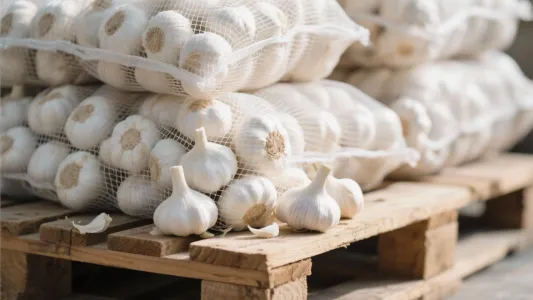
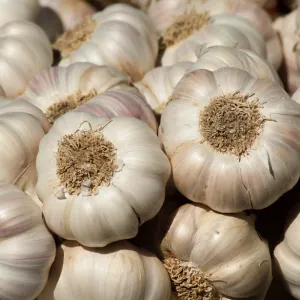
Let's start with the appearance. White garlic usually has a pure - white skin, relatively large cloves, and fewer cloves per bulb. Red garlic has a reddish - brown skin, smaller cloves, and a higher number of cloves. Purple garlic is characterized by its purple - tinged skin, medium - sized cloves, and a unique shape. Large white garlic is, as the name suggests, large in size, with plump and uniform cloves.
In terms of flavor, white garlic has a milder spiciness and a more delicate aroma, making it suitable for long - term stewing. Red garlic is more pungent and has a stronger aroma, which is perfect for raw consumption in salads. Purple garlic has a complex flavor with a balance of spiciness and sweetness, and it is often used in high - end dishes. Large white garlic has a strong and straightforward flavor, ideal for making dipping sauces.

Each garlic variety has its own unique nutritional profile. Red garlic contains anthocyanins, which are powerful antioxidants that can help reduce the risk of heart disease and cancer. Purple garlic is rich in sulfur compounds, which have antibacterial and anti - inflammatory properties. White garlic and large white garlic also contain essential vitamins and minerals such as vitamin C, vitamin B6, and manganese, which are beneficial for the immune system and metabolism.
In real - life cooking, white garlic is a great choice for Chinese - style stews, as its mild flavor will not overpower the other ingredients. Red garlic is commonly used in Western - style salads or raw vegetable dips, adding a fresh and pungent taste. Large white garlic is perfect for making dipping sauces, such as the classic Chinese garlic sauce for dumplings. Purple garlic, with its unique flavor and appearance, is often used in high - end restaurants to create visually appealing and delicious dishes.
"As a chef, I always choose the right garlic variety according to the dish. Purple garlic can really elevate the flavor of a dish to a new level," said a well - known chef.
When selecting garlic, pay attention to the uniformity of the garlic skin and the fullness of the cloves. A good - quality garlic should have a smooth and intact skin, and the cloves should be firm and plump. Avoid garlic with moldy or shriveled cloves.
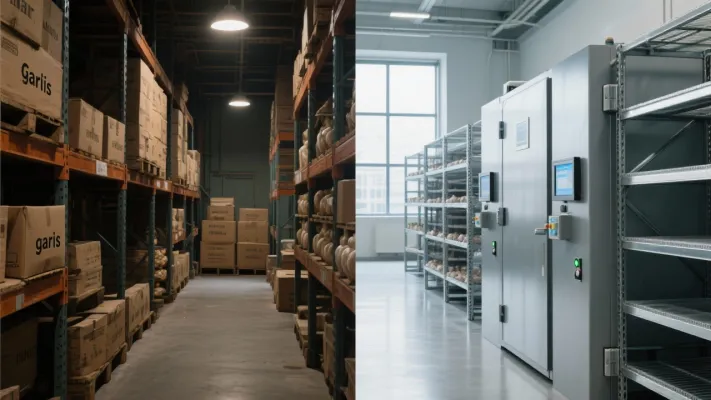
Cold - chain storage is crucial for maintaining the freshness and flavor of garlic. It is recommended to store garlic at a temperature between - 3°C and 0°C. Yishangqiao's garlic is stored in a professional cold - storage environment, which can maximize the retention of flavor and nutrition. Every head of garlic is carefully stored to ensure that you get the best quality product.
For home kitchens, we recommend having a combination of different garlic varieties. Keep some white garlic for stewing, red garlic for salads, large white garlic for dipping sauces, and purple garlic for special occasions. This way, you can enhance the flavor and variety of your dishes.
In conclusion, choosing Yishangqiao's garlic means choosing quality and freshness. With our years of experience in exporting agricultural products, we ensure that each garlic variety meets the highest standards. So, whether you are a professional chef or a home cook, let Yishangqiao's garlic bring a new level of deliciousness to your kitchen.
Explore Yishangqiao's Garlic Varieties Now!
 252
|
252
|
 garlic export packaging tutorial
mesh bag benefits for agriculture
cold chain logistics for fresh produce
fresh garlic storage methods
agricultural packaging solutions
garlic export packaging tutorial
mesh bag benefits for agriculture
cold chain logistics for fresh produce
fresh garlic storage methods
agricultural packaging solutions
 363
|
Garlic selection
Garlic storage techniques
Fresh garlic
Mesh bag packaging
High - quality garlic
363
|
Garlic selection
Garlic storage techniques
Fresh garlic
Mesh bag packaging
High - quality garlic
 409
|
organic ginger essential oil
ginger extraction methods
ginger health benefits
culinary ginger usage
cold press ginger oil
409
|
organic ginger essential oil
ginger extraction methods
ginger health benefits
culinary ginger usage
cold press ginger oil
 479
|
Garlic variety selection
Kitchen management solution
Export garlic packaging
International cuisine garlic usage skills
10kg mesh bagged garlic
479
|
Garlic variety selection
Kitchen management solution
Export garlic packaging
International cuisine garlic usage skills
10kg mesh bagged garlic
 488
|
garlic export to Europe
garlic packaging technology
mesh bag ventilation
cold chain garlic storage
high-quality garlic supply
488
|
garlic export to Europe
garlic packaging technology
mesh bag ventilation
cold chain garlic storage
high-quality garlic supply
.png?x-oss-process=image/resize,h_600,m_lfit/format,webp)




.png?x-oss-process=image/resize,h_200,m_lfit/format,webp)





 TikTok
 Facebook