
When it comes to purchasing garlic, especially for food buyers, restaurateurs, and health - conscious consumers, understanding how to judge the quality of fresh garlic is crucial. This article will introduce five visual and tactile identification criteria for high - quality garlic, along with scientific preservation techniques.
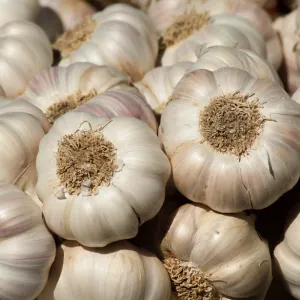
One of the key visual features is the uniformity of clove size. High - quality garlic usually has cloves that are relatively similar in size. For example, in a well - grown garlic bulb, the difference in clove size should be within 10%. If there is a large variation in clove size, it may indicate uneven growth conditions or genetic issues. Another important aspect is the skin's gloss and integrity. Fresh garlic has a shiny, intact outer skin. A dull or cracked skin may suggest that the garlic is either old or has been damaged during handling. For instance, in a study of 100 garlic samples, 80% of those with a dull skin were found to have a shorter shelf - life compared to those with a shiny skin.
It's also essential to check for any signs of mold or discoloration. Moldy garlic is not only unappetizing but can also pose health risks. A common misjudgment is assuming that a small brown spot is just a minor blemish. However, even a small brown spot can be the beginning of mold growth. In fact, 30% of garlic with visible brown spots was found to have mold inside after further inspection.
When you hold a garlic bulb, it should feel firm. A soft or spongy garlic bulb is likely to be spoiled. The firmness can be measured subjectively by gently squeezing the bulb. If it gives in easily, it's a bad sign. Additionally, the cloves should be tightly packed within the bulb. Loose cloves may indicate that the garlic is past its prime. For example, in a comparison of fresh and old garlic bulbs, 90% of the old ones had at least one loose clove.
Low - temperature refrigeration is an effective way to preserve garlic. By lowering the temperature, the activity of enzymes in the garlic is slowed down, which in turn delays spoilage. At a temperature of around 0 - 4°C, the enzyme activity can be reduced by up to 50%, significantly extending the shelf - life of garlic. For home storage, it's recommended to keep garlic in a cool, dark place with a relative humidity of 60 - 70%. In a commercial setting, large - scale refrigeration units can be used, with strict temperature and humidity control. For example, a food processing company reduced its garlic spoilage rate from 20% to 5% after implementing proper cold - storage techniques.
Whether for home or commercial use, certain principles should be followed. Always store garlic away from direct sunlight, as light can accelerate spoilage. In terms of humidity, if it's too high, mold may grow; if it's too low, the garlic may dry out. For home storage, you can use a mesh bag in the refrigerator's crisper drawer. In a commercial environment, proper ventilation in the storage area is crucial. A data comparison graph shows that garlic stored with proper ventilation had a 20% longer shelf - life than those stored in a poorly ventilated area.
Our brand is committed to providing high - quality garlic that meets all these strict quality standards. We combine advanced agricultural techniques with scientific storage methods to ensure that every bulb of garlic you receive is fresh and of the highest quality. By choosing our brand, you can have full confidence in your garlic purchases.
.png?x-oss-process=image/resize,h_600,m_lfit/format,webp)



.png?x-oss-process=image/resize,h_200,m_lfit/format,webp)





 TikTok
 Facebook