
You may have encountered situations in foreign trade garlic procurement where you end up purchasing inferior products due to a lack of professional judgment criteria. In this article, we'll delve into common misjudgment cases and teach you how to scientifically identify the quality of Grade A fresh garlic.
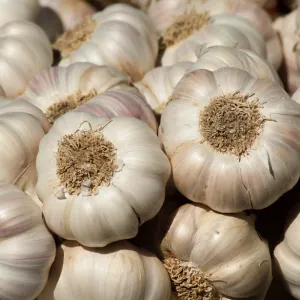
When it comes to identifying high - quality garlic, there are several core indicators. First, the uniformity of garlic cloves is crucial. Uniform cloves usually indicate a well - grown garlic bulb. Second, the epidermis of the garlic should have a good luster. A dull or wrinkled epidermis may suggest that the garlic is not fresh. Finally, the garlic should be free of any visible damage, such as cuts or bruises. These damaged areas can lead to faster spoilage and a higher risk of mold growth.
One common misjudgment is the belief that bigger is always better. Many buyers tend to choose larger garlic bulbs, assuming they are of better quality. However, large garlic bulbs may not necessarily be fresh or of high quality. For example, some large garlic bulbs may have been over - fertilized during the growing process, which can affect their taste and nutritional value. Another case is when you ignore the storage conditions. Garlic that has been stored in improper conditions, such as high humidity or direct sunlight, can quickly deteriorate in quality, even if it looks good at first glance.
Cold storage plays a key role in maintaining the crisp texture and nutritional content of garlic. At low temperatures, the activity of enzymes in garlic is significantly slowed down. For example, at a temperature of around 0 - 5°C, the enzymatic reactions that cause garlic to sprout or rot are greatly reduced. According to industry standards, storing garlic at this temperature range can extend its shelf life by up to several months.
"Proper cold storage is essential for preserving the quality of garlic," says an agricultural expert. "It helps to maintain the natural flavor and nutritional value of the product."
For home use, you should store garlic in a cool, dry, and dark place. A pantry or a cellar is an ideal location. The temperature should be around 10 - 15°C, and the humidity should be kept below 60%. Avoid storing garlic near onions or other strong - smelling foods, as they can absorb each other's odors. For commercial use, a refrigerated storage facility is necessary. The temperature should be strictly controlled between 0 - 5°C, and the humidity should be maintained at around 70 - 80%. Regularly check the stored garlic for any signs of spoilage or mold growth.
By integrating agricultural planting experience and food science knowledge, we aim to provide you with a reliable and professional guide for garlic procurement. Remember, choosing a reliable supplier is crucial. It ensures that every clove of garlic you purchase is worthy of your trust. If you want to learn more about high - quality garlic procurement and storage, click here to explore our resources.
.png?x-oss-process=image/resize,h_600,m_lfit/format,webp)



.png?x-oss-process=image/resize,h_200,m_lfit/format,webp)





 TikTok
 Facebook