
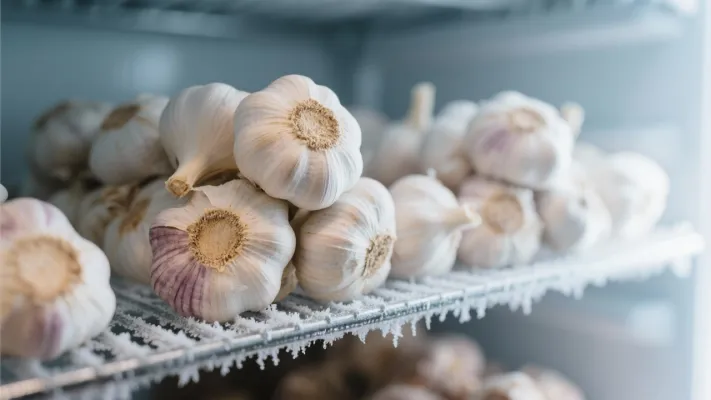
Maintaining garlic quality during export is a multifaceted challenge for food supply chain managers. Common quality degradation issues — such as sprouting, texture softening, discoloration, and nutrient loss — often originate in inadequate post-harvest handling and storage environments. Despite the industry's increasing focus on supply chain efficiency, cold storage strategies specific to garlic preservation remain underutilized in many kitchens and warehouse operations. This article distills the latest agricultural research and practical cold storage management techniques to elevate understanding from mere preservation to proactive quality control.
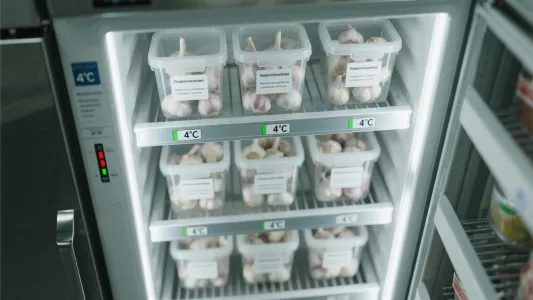
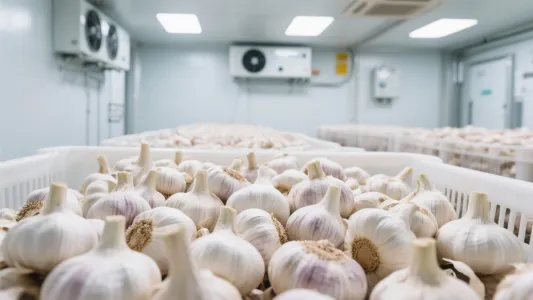
Garlic's shelf life is significantly influenced by enzymatic activity and microbial growth. At ambient temperatures, enzymes catalyze metabolic processes that lead to sprouting and cell degradation, while microbial proliferation accelerates spoilage and off-odors. Scientific studies based on post-harvest physiology recommend maintaining garlic in controlled environments between -3°C and 0°C. Within this thermal window, key enzymatic activities slow dramatically—by up to 70%—and pathogenic microbial growth is effectively suppressed.
This temperature range also minimizes the risk of intracellular ice crystal formation, which can cause cell membrane rupture and subsequent texture loss. Agricultural trials confirm that cold storage within these parameters preserves garlic’s natural firmness, vibrant white color, and the retention of allicin — the compound responsible for both its characteristic aroma and health benefits.
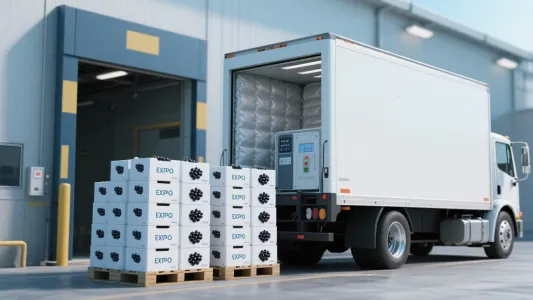
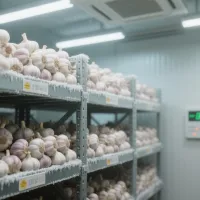
Cold chain effectiveness is not solely dependent on temperature regulation. Packaging plays a pivotal role in ensuring even airflow and contamination prevention. The adoption of 10-kilogram mesh bags is a documented best practice. Their open weave structure facilitates optimal ventilation, which helps dissipate moisture and reduces the risk of anaerobic microbial hotspots, common pitfalls in tightly sealed containers.
Furthermore, mesh packaging aids in segregating batches to avoid cross-contamination between different grades or sources of garlic — a critical measure particularly in multi-supplier warehouse scenarios serving large-scale kitchens and distributors.
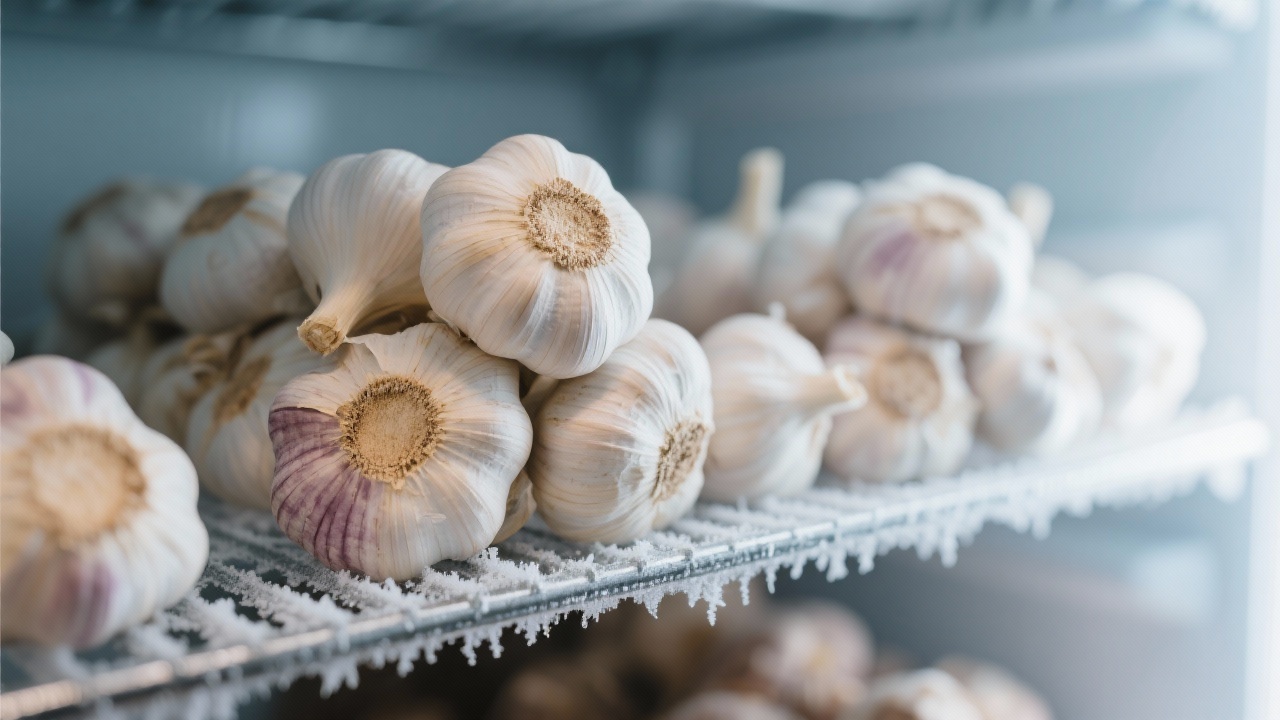
Comparative analyses reveal that traditional storage at ambient or mildly refrigerated temperatures (above 5°C) results in up to 40% quality loss within four weeks, with visible sprouting and textural decline. Conversely, professional cold storage maintaining -3°C to 0°C can extend shelf life by 50-60%, preserving both marketable appearance and nutritional profile.
Such data-driven distinctions highlight a critical awareness gap in supply chain management. Upgrading to specialized cold storage infrastructure not only stabilizes supply but also enhances consumer satisfaction by delivering consistently superior raw materials to kitchen back-of-house operations.
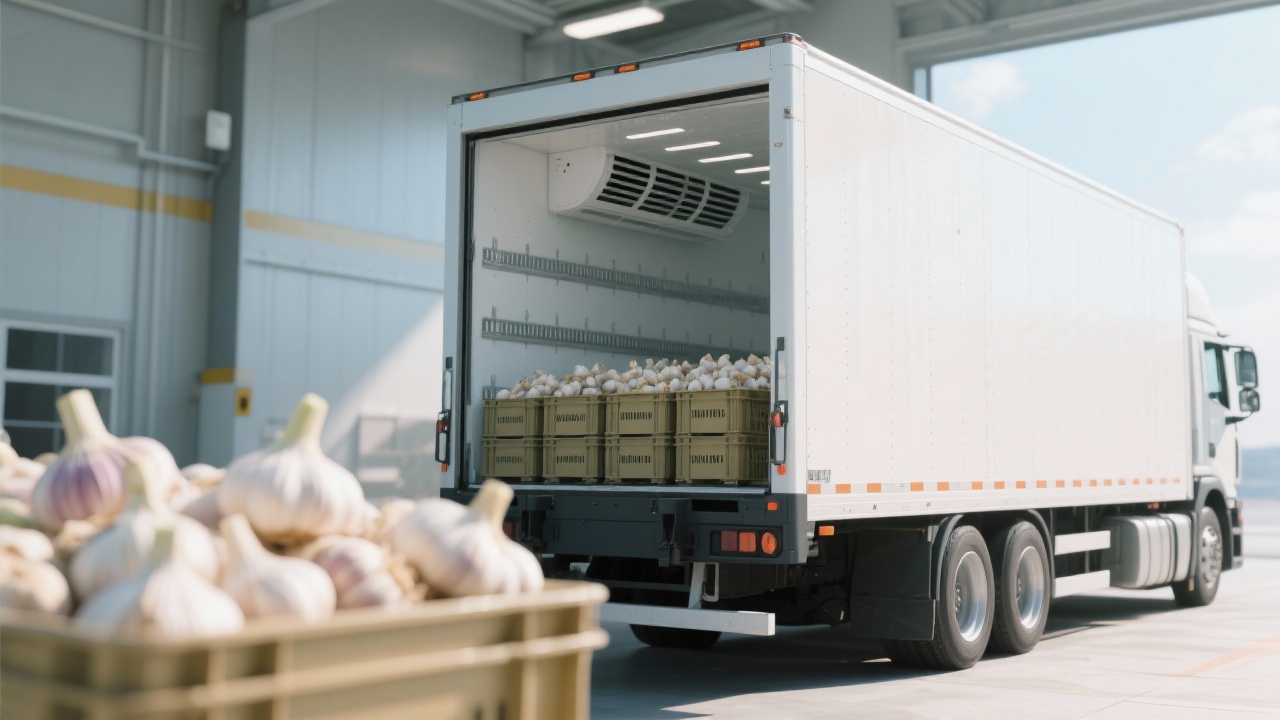
Food supply chain managers seeking tangible quality gains should prioritize the following:
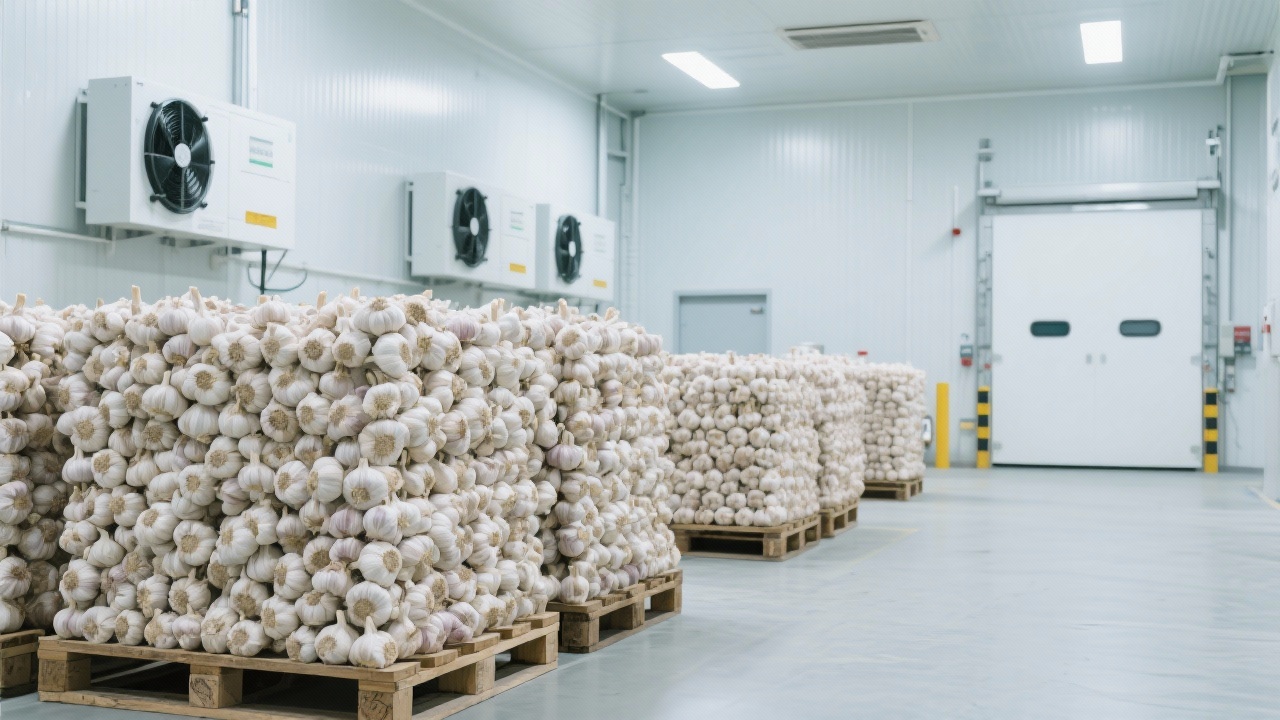
“Professional cold storage is not just a cost center — it is a strategic asset that transforms garlic preservation from basic shelf life extension into a critical lever for consistent quality assurance and customer satisfaction.”
 401
|
401
|
 premium fresh ginger
meeting global demand
fresh ginger characteristics
flavoring vegetable
health benefits
year-round supply
premium fresh ginger
meeting global demand
fresh ginger characteristics
flavoring vegetable
health benefits
year-round supply
 296
|
garlic variety differences
anthocyanin content in red garlic
aroma characteristics of purple garlic
cold chain storage of garlic
home kitchen garlic selection guide
296
|
garlic variety differences
anthocyanin content in red garlic
aroma characteristics of purple garlic
cold chain storage of garlic
home kitchen garlic selection guide
 80
|
Cross - border garlic logistics
10kg mesh bag packaging
Agricultural product cold - chain transportation
Food packaging optimization
Supply chain efficiency improvement
80
|
Cross - border garlic logistics
10kg mesh bag packaging
Agricultural product cold - chain transportation
Food packaging optimization
Supply chain efficiency improvement
 234
|
garlic cold storage
restaurant food preservation
cold chain management
garlic保鲜技术
food waste reduction
234
|
garlic cold storage
restaurant food preservation
cold chain management
garlic保鲜技术
food waste reduction
 253
|
Professional cold storage technology
Garlic preservation methods
Cold chain transportation management
Ingredient quality control
Cold storage temperature management
253
|
Professional cold storage technology
Garlic preservation methods
Cold chain transportation management
Ingredient quality control
Cold storage temperature management


.png?x-oss-process=image/resize,h_600,m_lfit/format,webp)







.png?x-oss-process=image/resize,h_200,m_lfit/format,webp)





 TikTok
 Facebook