
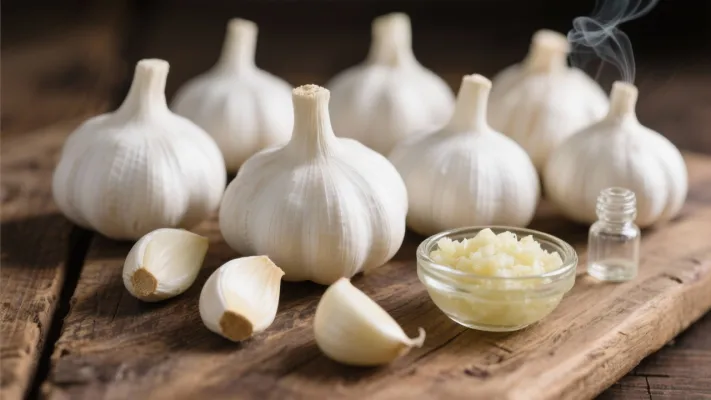
The European market has long held high standards for high - quality garlic. With the increasing demand for fresh and nutritious food, the procurement of garlic that meets strict quality criteria has become a top priority for global buyers. This article delves into how scientific temperature control can help achieve these goals, offering a reliable solution for food processors, catering professionals, and distributors.
Maintaining a temperature range between -3°C and 0°C has a profound impact on the physiological activities of garlic bulbs. At this temperature, the respiration rate of garlic is significantly inhibited. Normally, at room temperature, garlic bulbs have a relatively high respiration rate, which consumes internal nutrients and shortens the shelf - life. Research shows that at -3°C to 0°C, the respiration rate can be reduced by up to 70% compared to room temperature storage.
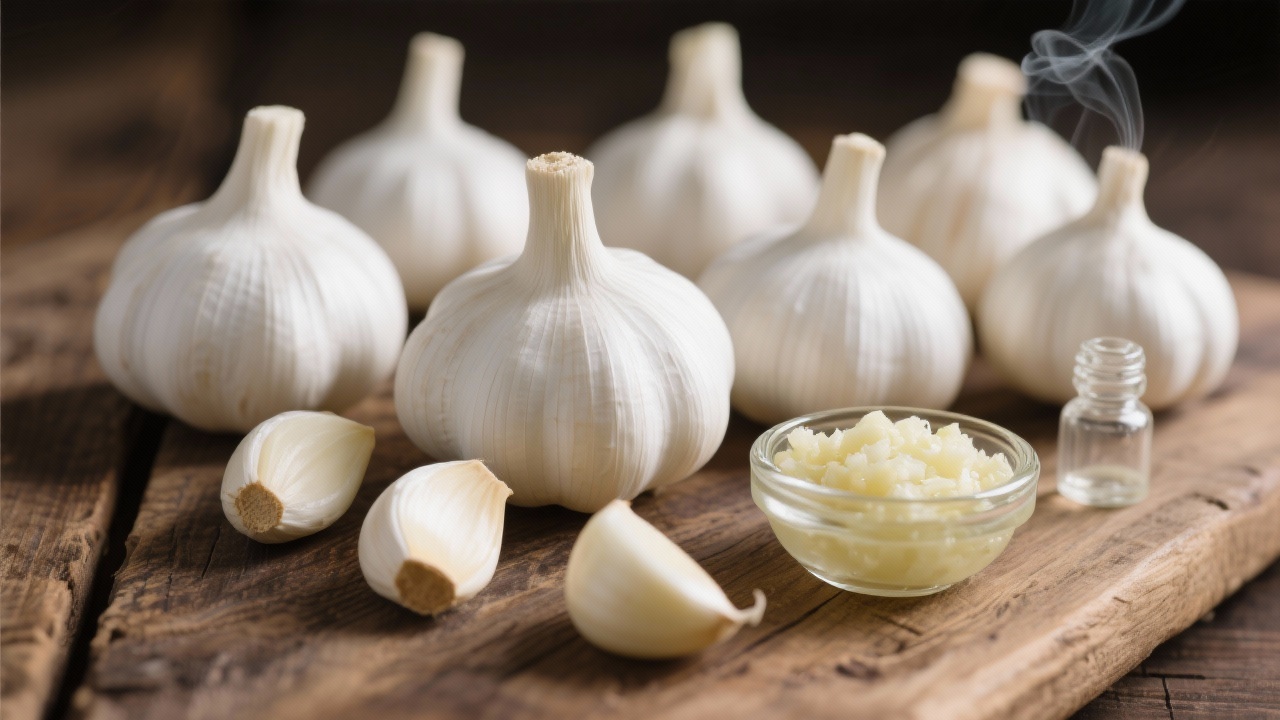
This low - temperature environment also plays a crucial role in preventing mildew and blocking bud germination. Mildew is a common problem during garlic storage, which can lead to spoilage and a decrease in quality. The cold temperature inhibits the growth of mold spores, reducing the mildew rate to less than 5%. Additionally, it effectively stops the germination of garlic buds, ensuring that the garlic remains in a dormant state and retains its freshness.
Mesh bag packaging is an ideal choice for garlic storage. Its excellent ventilation performance allows air to circulate freely around the garlic bulbs. This helps to control moisture levels, preventing the accumulation of water that could lead to rot. Compared with traditional sealed packaging, mesh bags can reduce the humidity around the garlic by about 20%.
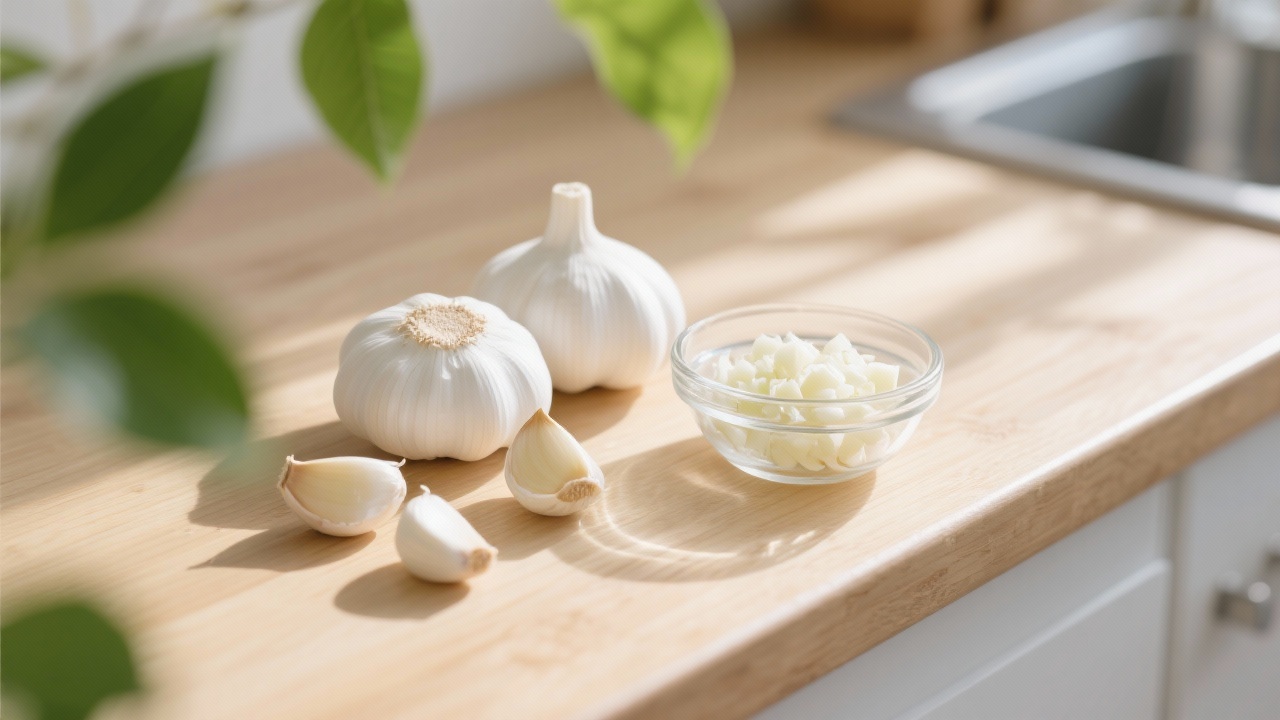
Moreover, the mesh structure reduces mechanical damage during transportation. Garlic bulbs are less likely to be squeezed or bruised, which further extends their shelf - life. The use of mesh bags can reduce transportation losses by approximately 15%.
There are numerous real - world examples of successful cold - chain logistics for garlic. One European distributor was able to achieve a year - round stable supply of high - quality garlic by implementing a strict -3°C to 0°C temperature control system and using mesh bag packaging. Through this approach, they not only met the high - end market demand but also increased their market share by 20% within a year.
From a nutritional perspective, the -3°C to 0°C temperature control environment effectively protects the sulfides and antioxidants in garlic. Sulfides are one of the key health - promoting components in garlic, known for their antibacterial and anti - inflammatory properties. Antioxidants help to prevent oxidative damage in the human body. Studies have shown that after six months of storage at -3°C to 0°C, the content of sulfides and antioxidants in garlic can be maintained at over 90% of their original levels.
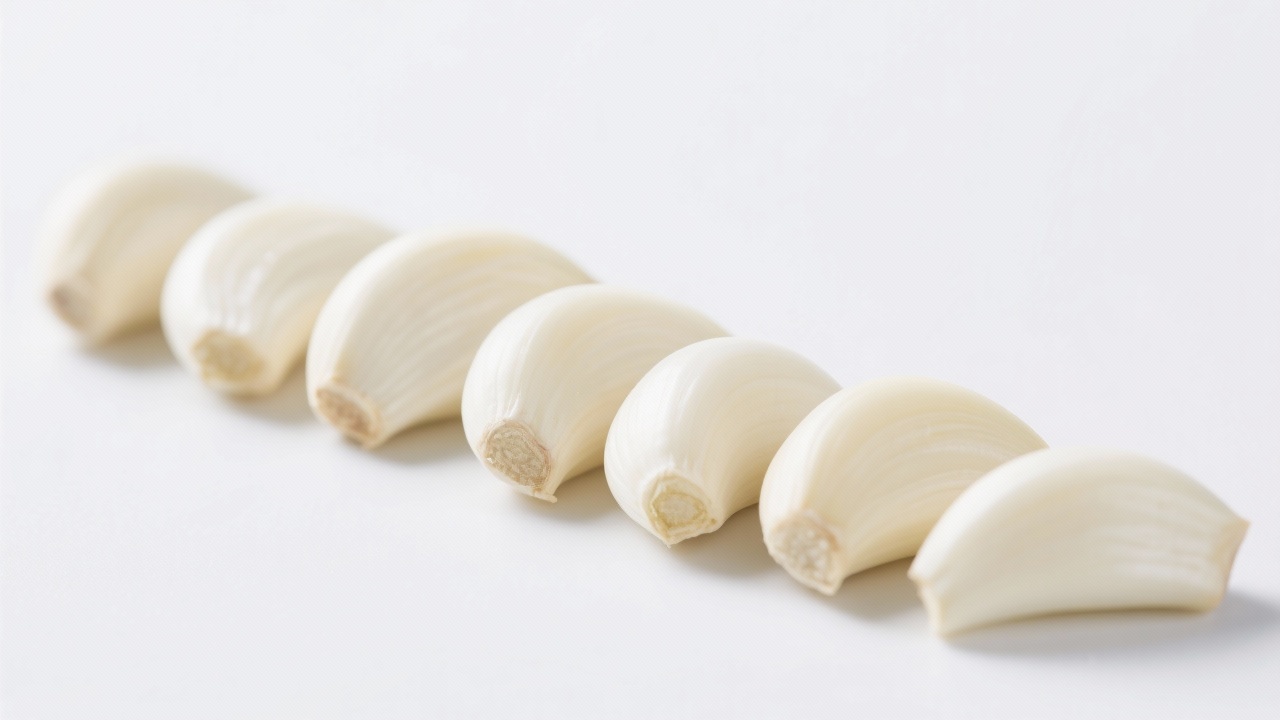
In summary, scientific temperature control between -3°C and 0°C, combined with mesh bag packaging, offers an effective solution for garlic storage. For food processors, this ensures a stable supply of high - quality raw materials throughout the year. Catering professionals can serve fresher and more nutritious garlic - based dishes. Distributors can expand their market share by providing reliable products.
Here are some practical storage guidelines: First, ensure that the storage environment maintains a temperature between -3°C and 0°C. Second, use mesh bags for packaging. Third, regularly monitor the temperature and humidity in the storage area.
Are you ready to enhance the quality and shelf - life of your garlic products? Contact us to get a customized cold - chain preservation strategy.
.png?x-oss-process=image/resize,h_600,m_lfit/format,webp)


.png?x-oss-process=image/resize,h_200,m_lfit/format,webp)





 TikTok
 Facebook