
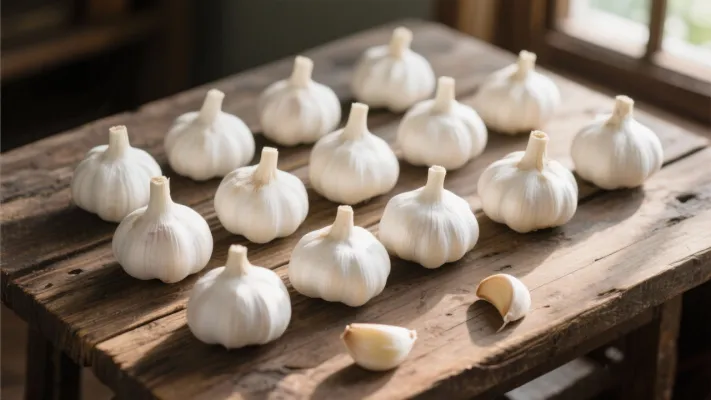
Garlic, a staple in kitchens around the world, is not only valued for its pungent flavor but also for its numerous health benefits. However, maintaining its nutritional value from the field to the table can be a challenge. This article delves into the scientific strategies of temperature control throughout the entire process of garlic from harvesting to distribution, aiming to help procurement officers and food processors achieve stable supply and high - quality nutrition all year round.
Scientific research has shown that the temperature range of -3°C to 0°C plays a crucial role in garlic preservation. At this temperature, the physiological metabolism of garlic is significantly slowed down. For example, the respiration rate of garlic can be reduced by up to 70% compared to room temperature storage. This slowdown in respiration helps to prevent the breakdown of nutrients, such as sulfides and antioxidant components, which are responsible for many of garlic's health benefits. Moreover, the low temperature effectively inhibits the germination of garlic buds and reduces the risk of mold growth. According to agricultural research data, the spoilage rate of garlic stored at this temperature range can be reduced to less than 5%, while at room temperature, it can reach up to 30% within the same period.
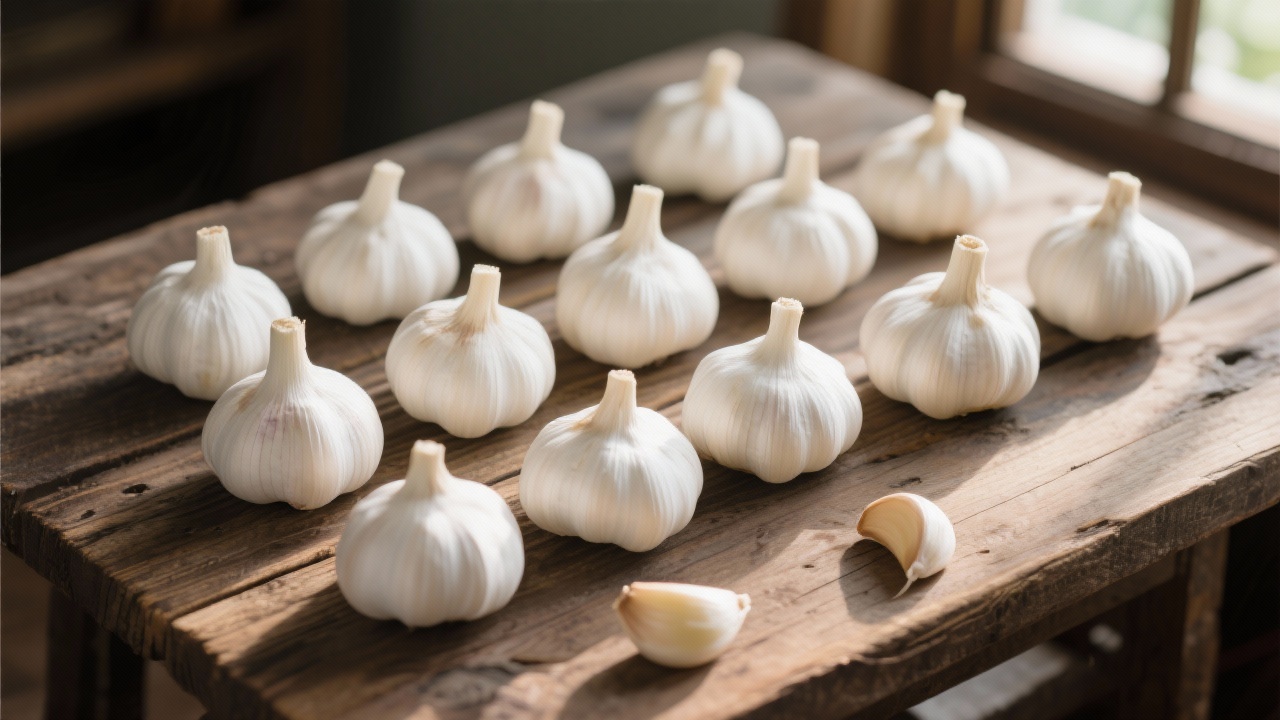
In addition to temperature control, proper packaging is also essential for garlic preservation. Mesh bag packaging has unique advantages in garlic storage. The design of the mesh bag allows for excellent ventilation, which reduces the accumulation of moisture around the garlic. Excessive moisture can lead to mold growth and mechanical damage. With mesh bag packaging, the humidity around the garlic can be maintained at an optimal level, reducing the risk of spoilage. In fact, compared to sealed plastic bags, the use of mesh bags can reduce the incidence of moldy garlic by up to 40%. The mesh bag also reduces mechanical damage during handling and transportation, ensuring that the garlic remains intact and fresh.
There are many successful cases of garlic storage using the -3°C to 0°C temperature control strategy. In some European warehouses, by implementing this scientific temperature control and using mesh bag packaging, they have achieved a stable supply of high - quality garlic throughout the year. These warehouses have reported that they can reduce the overall loss of garlic during storage and transportation to less than 10%, while maintaining a high content of sulfides and antioxidant components. The garlic stored under these conditions meets the high - quality standards required by European food processing industries and professional buyers.
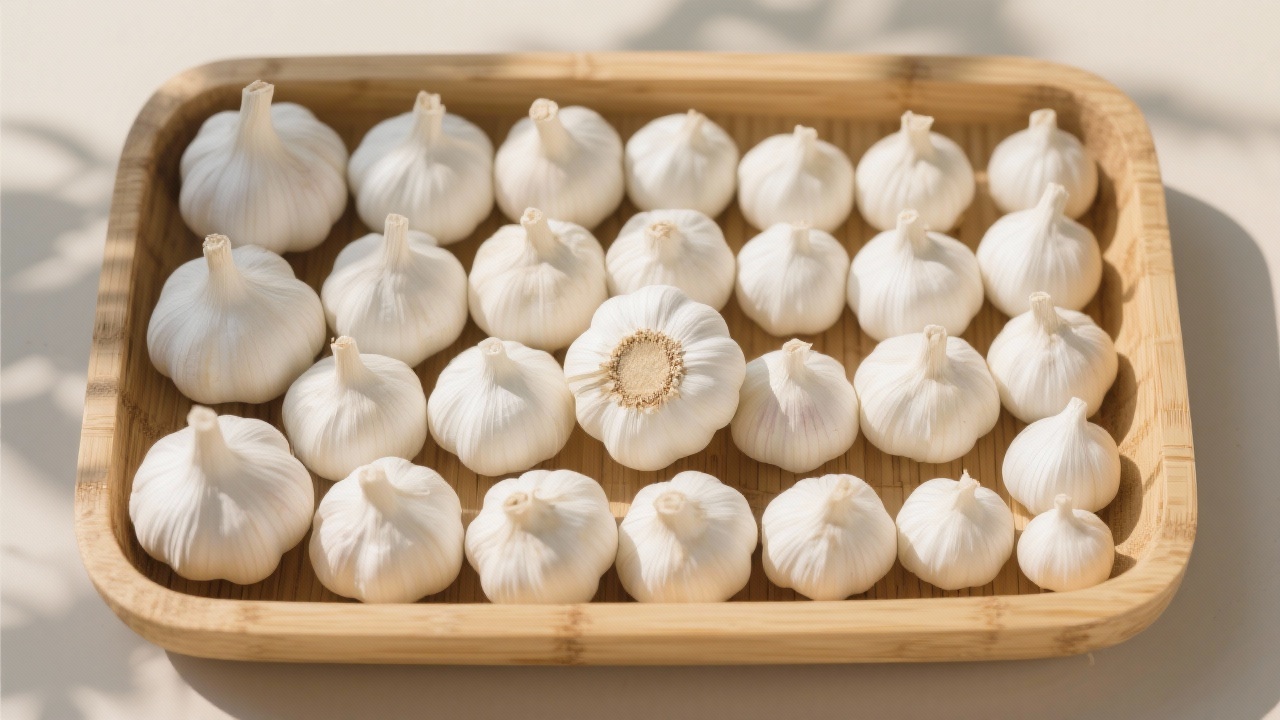
Proper temperature control directly contributes to the preservation of garlic's nutritional value. Sulfides, which are known for their antibacterial and antioxidant properties, are well - preserved at -3°C to 0°C. Studies have shown that the content of sulfides in garlic stored at this temperature range can be maintained at over 90% of the initial level after six months of storage, while at room temperature, it may drop to less than 50%. Similarly, antioxidant components, such as flavonoids, are also better retained, providing greater health benefits to consumers.
For professional buyers and food service practitioners, here are some practical storage suggestions. First, ensure that the garlic is properly cleaned and sorted before storage to remove any damaged or diseased bulbs. Second, use mesh bags for packaging and place the garlic in a cold storage with a temperature range of -3°C to 0°C. Regularly monitor the temperature and humidity in the storage area to ensure optimal conditions. Third, when transporting garlic, use insulated containers to maintain the low - temperature environment.
In conclusion, by implementing a scientific temperature control strategy and using appropriate packaging, the nutritional value of garlic can be effectively preserved, and a stable supply can be achieved throughout the year. Don't miss out on the opportunity to enhance the value of your garlic supply chain. Get the full cold chain guide PDF now to learn more about these proven techniques.
.png?x-oss-process=image/resize,h_600,m_lfit/format,webp)



.png?x-oss-process=image/resize,h_200,m_lfit/format,webp)





 TikTok
 Facebook