
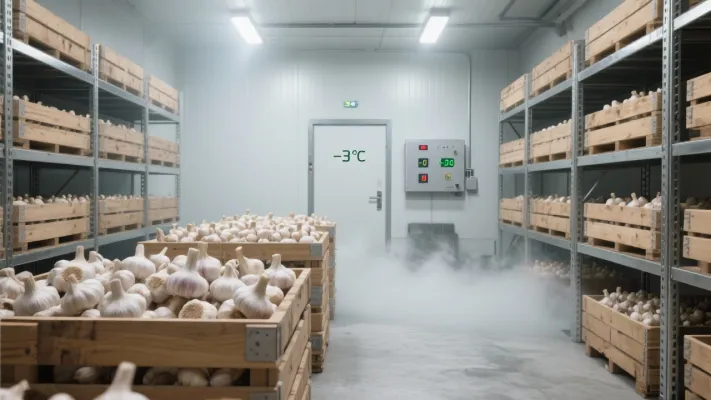
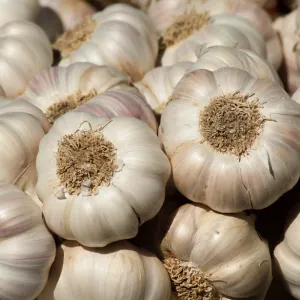
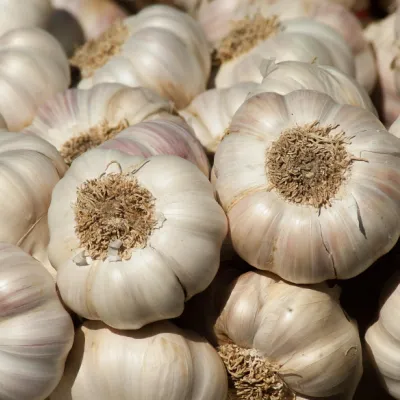
Garlic is a staple ingredient in the Middle Eastern foodservice industry, playing a crucial role in enhancing the flavor of various dishes. Its unique aroma and taste are highly sought - after by chefs and consumers alike. However, maintaining its quality from procurement to storage is a significant challenge for restaurant buyers.
Both high and improper low temperatures can lead to severe quality deterioration of garlic. High temperatures accelerate the respiration rate of garlic bulbs, causing them to sprout and rot quickly. On the other hand, extremely low temperatures can cause physiological damage, such as freezing injury, which affects the texture and flavor of garlic. According to a study by the [Name of an authoritative institution], nearly 30% of garlic spoilage in the Middle East is due to improper temperature control during storage.
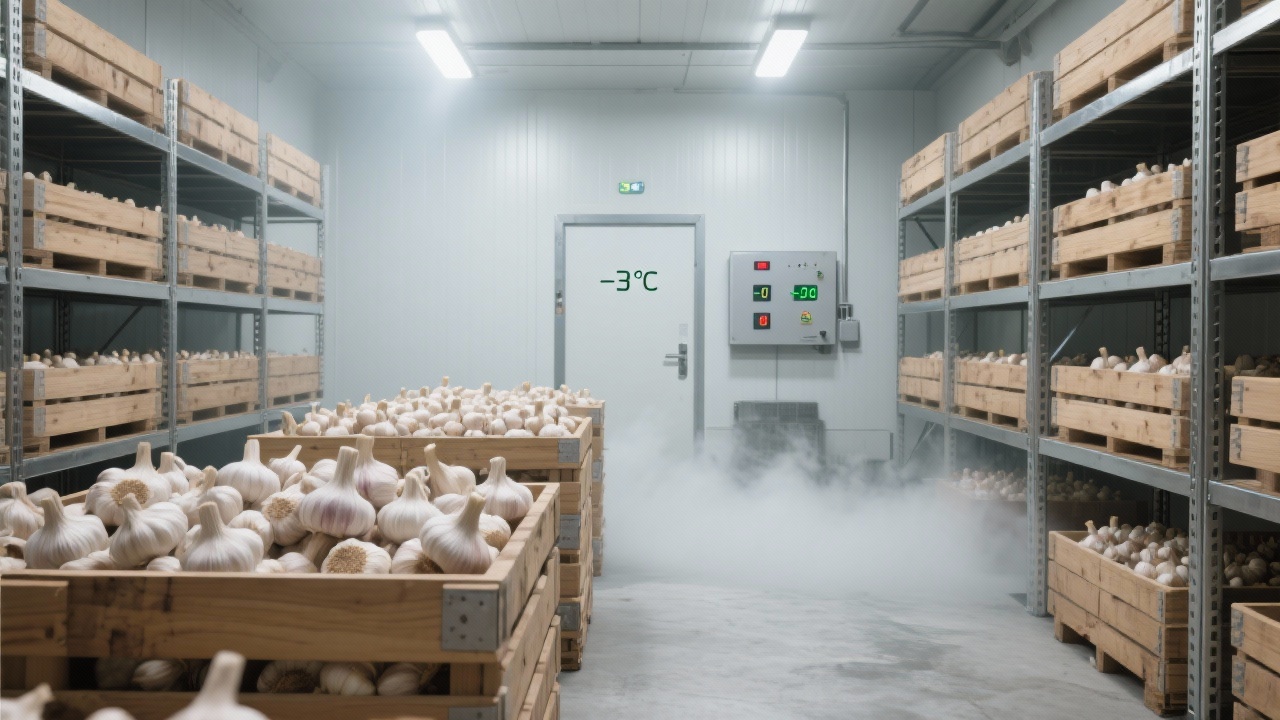
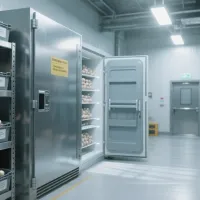
The temperature range of -3°C to 0°C has been proven to be optimal for garlic preservation. At this temperature, the respiration rate of garlic bulbs is significantly reduced. Respiration is a metabolic process that consumes energy and nutrients, leading to the aging of garlic. The low temperature also inhibits the activity of enzymes related to sprouting and decomposition. "The -3°C to 0°C temperature range can effectively slow down the metabolic processes in garlic, extending its shelf - life by up to 3 - 4 months," said a researcher from [Name of an authoritative institution] in a research paper.
In addition to temperature control, humidity management is equally important. A humidity level of 85% - 90% is ideal for garlic storage. This humidity range helps to prevent the garlic from drying out, while at the same time, it can inhibit the growth of mold and mildew. Proper ventilation design is also crucial. Good air circulation can remove excess moisture and carbon dioxide, maintaining a stable storage environment.
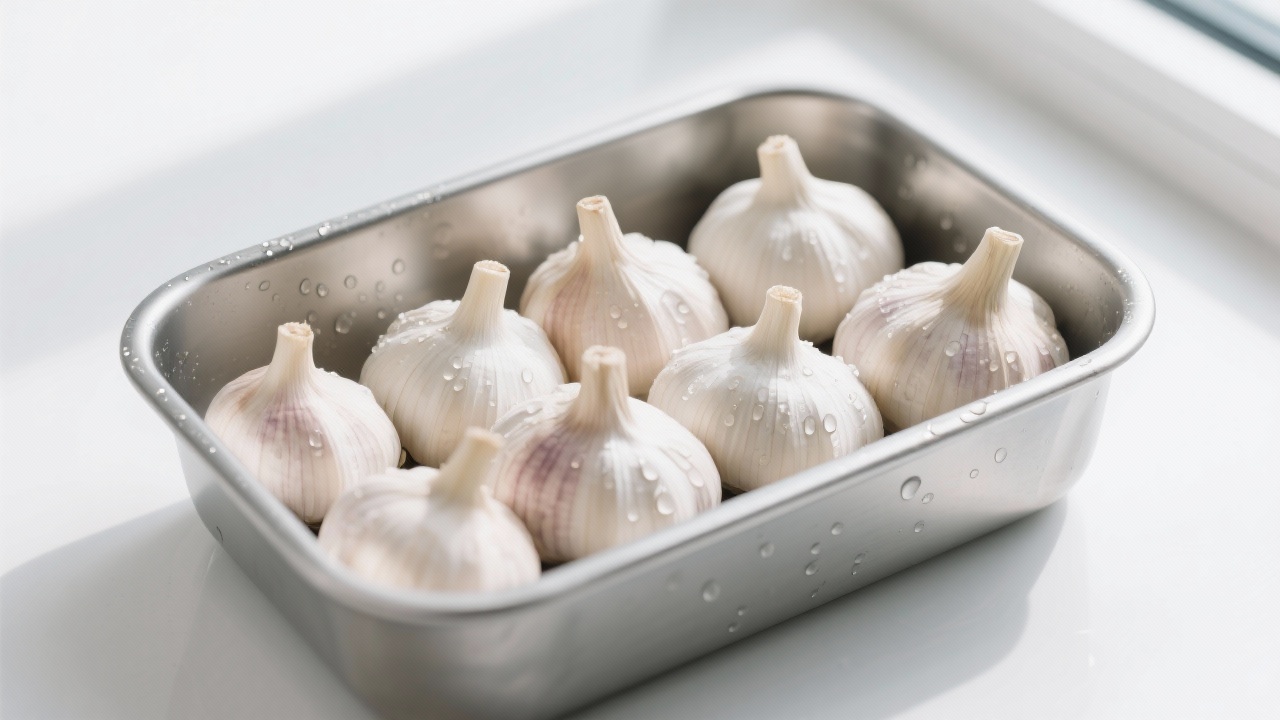
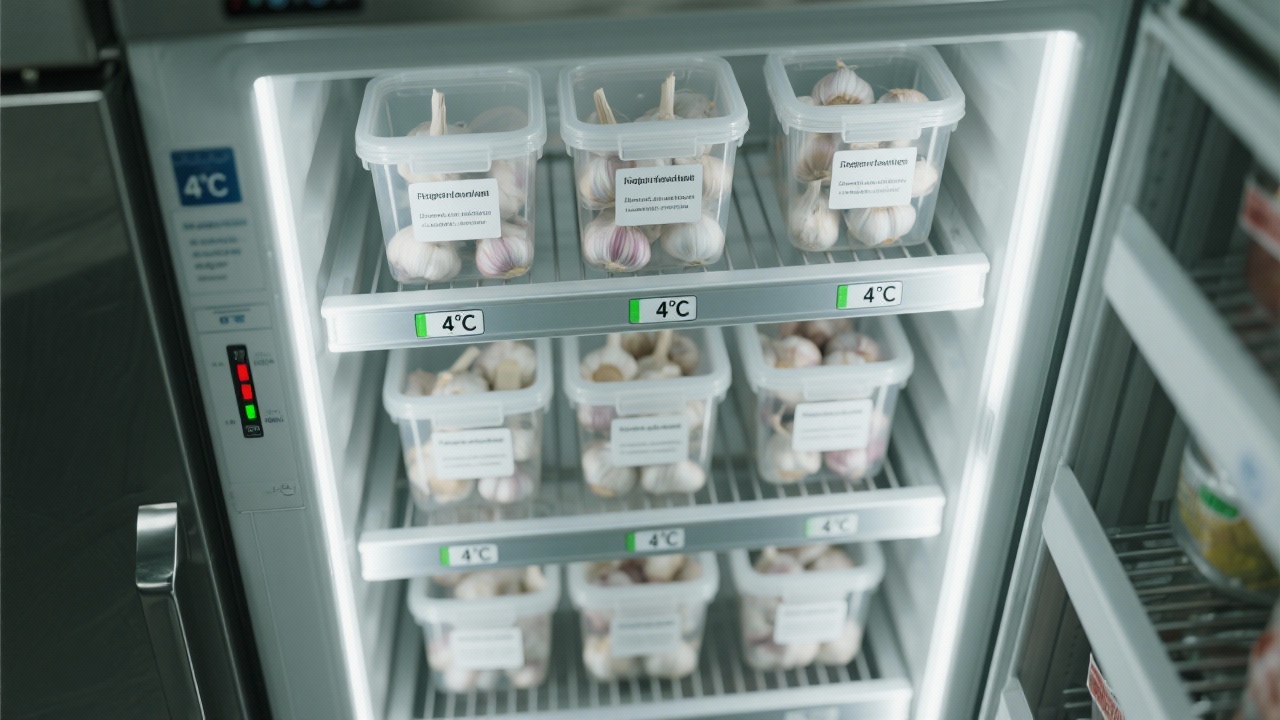
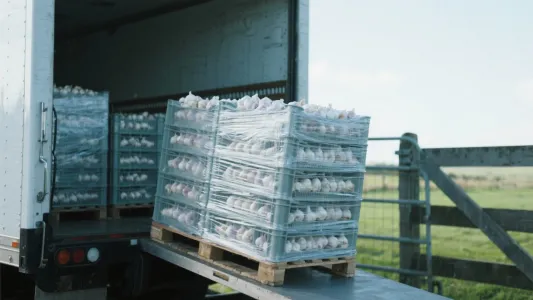
When storing garlic in a cold room, it is essential to stack the garlic in layers to avoid crushing. Regular inspection of the garlic is necessary to detect any signs of spoilage early. According to practical experience, by implementing these practices, the spoilage rate can be reduced by about 15%.
Many agricultural engineering projects have demonstrated the effectiveness of the -3°C to 0°C temperature control technology in garlic preservation. For example, a large - scale foodservice provider in Dubai successfully extended its garlic storage period by using this technology, reducing waste by 25%. Additionally, the temperature control strategy should be adjusted according to seasonal changes. During the hotter months, more precise temperature and humidity control may be required.
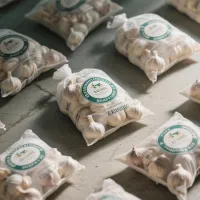
We have always been committed to providing high - quality garlic products that meet international standards for global customers. Our garlic products are protected by a whole - process cold chain and hold A - level quality certificates. This ensures that our garlic reaches you in the freshest and best - quality state.
Discover the freshness and quality of our garlic products now! Learn More

 189
|
189
|
 natural healthy ginger
cooking ginger
ginger essential oil extraction
natural healthy ginger
cooking ginger
ginger essential oil extraction
 339
|
professional cold storage for garlic
garlic preservation temperature control
restaurant supply chain management
garlic quality control solutions
low-temperature refrigeration technology
339
|
professional cold storage for garlic
garlic preservation temperature control
restaurant supply chain management
garlic quality control solutions
low-temperature refrigeration technology
 214
|
Garlic preservation
Cold chain temperature control
Low - temperature storage
Mesh bag packaging
Garlic nutritional value
306
|
Organic ginger cultivation techniques
Export-quality mold-free ginger
Pesticide-free organic ginger
Organic ginger quality assurance
Mold prevention in ginger farming
214
|
Garlic preservation
Cold chain temperature control
Low - temperature storage
Mesh bag packaging
Garlic nutritional value
306
|
Organic ginger cultivation techniques
Export-quality mold-free ginger
Pesticide-free organic ginger
Organic ginger quality assurance
Mold prevention in ginger farming
 302
|
garlic cold storage
low temperature preservation
garlic nutrient retention
garlic shelf life extension
mesh bag packaging for garlic
302
|
garlic cold storage
low temperature preservation
garlic nutrient retention
garlic shelf life extension
mesh bag packaging for garlic


.png?x-oss-process=image/resize,h_600,m_lfit/format,webp)






.png?x-oss-process=image/resize,h_200,m_lfit/format,webp)





 TikTok
 Facebook