

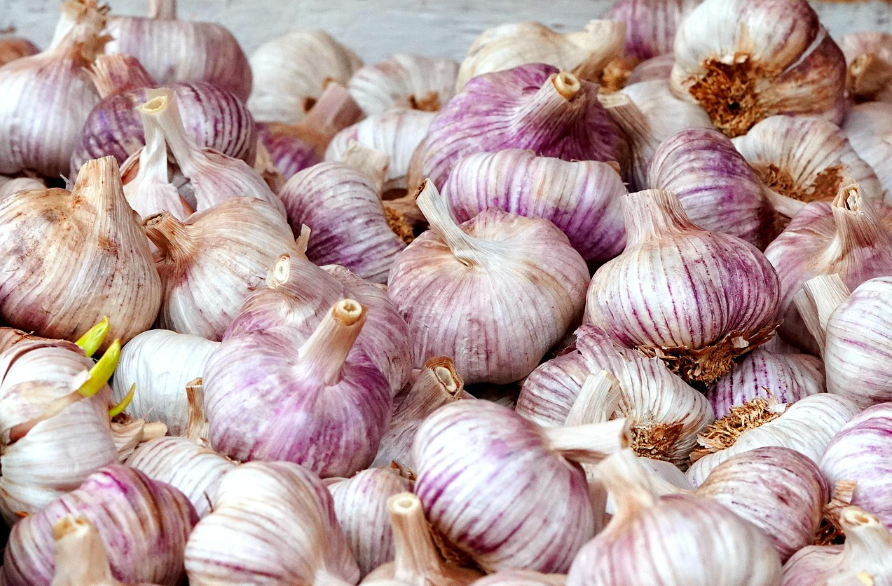
Understanding the distinct characteristics of garlic varieties is pivotal to meeting the diverse demands of Europe’s sophisticated consumers. The market primarily welcomes four key types: Pure White, Large White, Red, and Purple garlic. Each possesses unique flavor profiles and application suitability that align with different European culinary traditions and consumer preferences.
| Garlic Variety | Flavor Characteristics | Ideal European Segment |
|---|---|---|
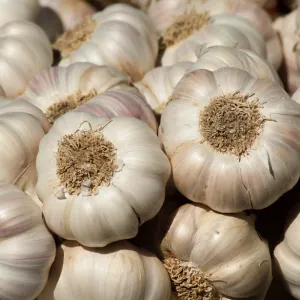
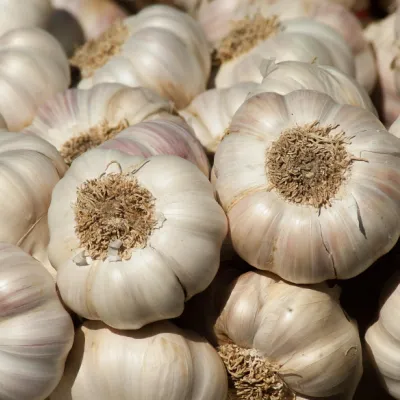
| Pure White | Mild, clean taste; visually bright white cloves | Retail fresh markets, gourmet delicatessens |
| Large White | Balanced pungency with robust aroma | Foodservice suppliers, bulk buyers |
| Red Garlic | Spicy and assertive flavor with deep red hue | Mediterranean specialty markets, ethnic cuisine |
| Purple Garlic | Complex, slightly sweet notes with purple layers | High-end retailers, culinary professionals |
These varietal insights enable targeted positioning that resonates with European buyers’ appreciation for authenticity and flavor quality.
Maintaining optimal freshness during transport and storage is essential for European export success. Scientific studies indicate that controlling temperature within the range of -3°C to 0°C dramatically extends shelf life by reducing sprouting and microbial deterioration. Complementing temperature control, packaging innovation plays a significant role in airflow management.
Utilizing packaging such as 10 kg ventilated mesh bags ensures sufficient ventilation, minimizing moisture accumulation and enabling gas exchange. This method has been shown to reduce post-harvest weight loss by approximately 15% compared to conventional sealed packaging over a 6-month period.
Equipment recommendations include programmable cold storage units with accurate humidity regulation and temperature logging features to ensure compliance with European phytosanitary standards. Proper handling protocols during packaging reduce bruising, which otherwise accelerates quality degradation.
Ensuring year-round garlic supply demands integration of modern agronomic techniques with robust management systems. Implementing precision agriculture—such as soil monitoring, drip irrigation, and integrated pest management—optimizes yield quality and consistency.
Furthermore, the adoption of traceability solutions, including digital lot tracking and blockchain verification, fosters transparency in the supply chain. Data from industry leaders reveal that such measures reduce the risk of supply disruptions by up to 25%, which significantly boosts buyer confidence in long-term contracts.
Combined, these practices permit exporters to guarantee high standards and stable availability, differentiating their offering in the competitive European marketplace.

To effectively communicate these advantages, incorporating rich multimedia content such as infographics, tutorial videos, and expert interviews enhances trust and comprehension. An infographic depicting temperature impact on garlic freshness increased engagement by over 40% in recent B2B campaigns.
.jpg)
Integrating these formats within digital platforms—such as supplier websites, LinkedIn industry groups, and targeted newsletters—builds authority and facilitates smoother buyer decision-making processes.
Discover Tailored Garlic Supply Solutions for the European Market
.png?x-oss-process=image/resize,h_600,m_lfit/format,webp)



.png?x-oss-process=image/resize,h_200,m_lfit/format,webp)





 TikTok
 Facebook