
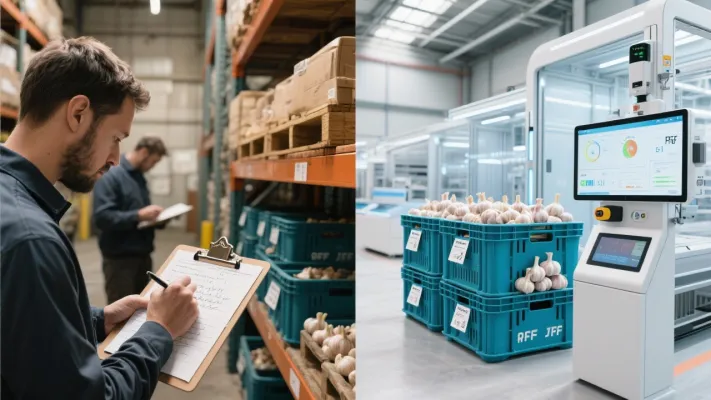
In the global agricultural product supply chain, the role of modern cold chain logistics technology has become increasingly prominent. This article delves into the significant role of cold chain logistics in safeguarding the nutrition and safety of high - quality Chinese garlic, comparing it with traditional warehousing methods.
The optimal storage temperature for garlic ranges from -3°C to 0°C. Scientific research has shown that at this temperature range, the metabolic rate of garlic slows down significantly. For example, the respiration rate of garlic can be reduced by about 70% compared to storage at room temperature. This reduction in metabolic activity helps to minimize the loss of nutrients such as vitamins and antioxidants in garlic. Additionally, it effectively inhibits the growth of microorganisms, which is crucial for maintaining the freshness and safety of garlic.

In terms of nutrient retention, traditional warehousing often fails to provide a stable environment. As a result, garlic stored in traditional warehouses may lose up to 30% of its vitamin C content within a month. In contrast, modern cold chain logistics can keep the vitamin C loss within 5% under the -3°C to 0°C temperature control. Regarding loss control, traditional warehousing may experience a spoilage rate of around 15 - 20% due to factors like temperature fluctuations and pest infestation. However, with modern cold chain technology, the spoilage rate can be reduced to less than 5%.
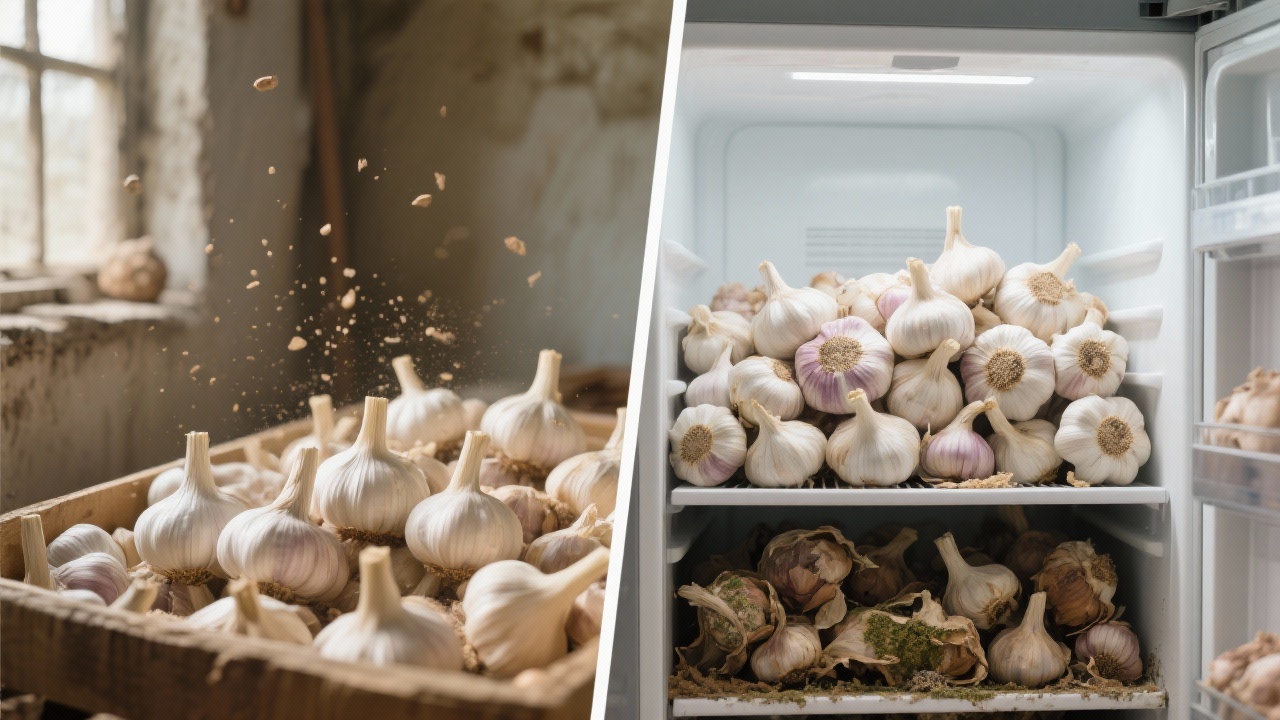
There have been numerous cases in the supply chain that illustrate the importance of proper temperature control. In one instance, a logistics company failed to maintain the correct temperature during the transportation of garlic. As a result, nearly 40% of the garlic was spoiled, leading to significant financial losses for the supplier. On the other hand, a well - managed cold chain logistics provider was able to deliver garlic to international markets with a spoilage rate of less than 2%, which not only satisfied the customers but also enhanced the brand reputation of the supplier.
To ensure the quality and safety of garlic in the international market, it is essential to comply with international standards such as HACCP (Hazard Analysis and Critical Control Points). These standards provide a framework for identifying and controlling potential hazards in the cold chain process, from production to consumption. By adhering to these standards, companies can not only meet the regulatory requirements of different countries but also gain a competitive edge in the global market.

In conclusion, modern cold chain logistics offers a more reliable solution for preserving the nutrition and safety of garlic compared to traditional warehousing. By understanding the scientific principles and best practices of cold chain management, procurement agents, cold chain logistics service providers, and agricultural practitioners can optimize their operations, improve product quality, and increase customer satisfaction.
Ready to enhance your garlic cold chain management? Download our 《Agricultural Product Cold Chain Self - Check List》 to get started!
.png?x-oss-process=image/resize,h_600,m_lfit/format,webp)



.png?x-oss-process=image/resize,h_200,m_lfit/format,webp)





 TikTok
 Facebook