
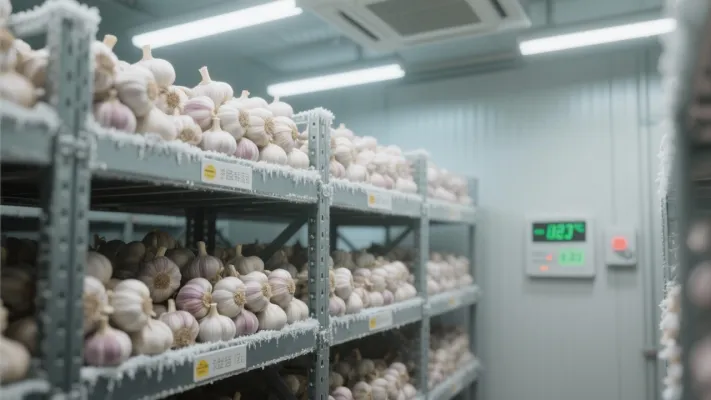
When it comes to exporting garlic, maintaining its quality from harvest to table can be challenging. You might wonder, how does professional cold storage truly safeguard your garlic’s freshness and nutritional value? The answer lies in the delicate balance of temperature control, packaging design, and scientific principles that inhibit spoilage while extending shelf life.
Garlic is a living plant product composed of delicate cells with active enzymes and natural microflora. If stored incorrectly, the garlic clove undergoes accelerated aging—enzymes break down cellular structures, and microorganisms proliferate—leading to spoilage, sprouting, and loss of crunch and flavor.
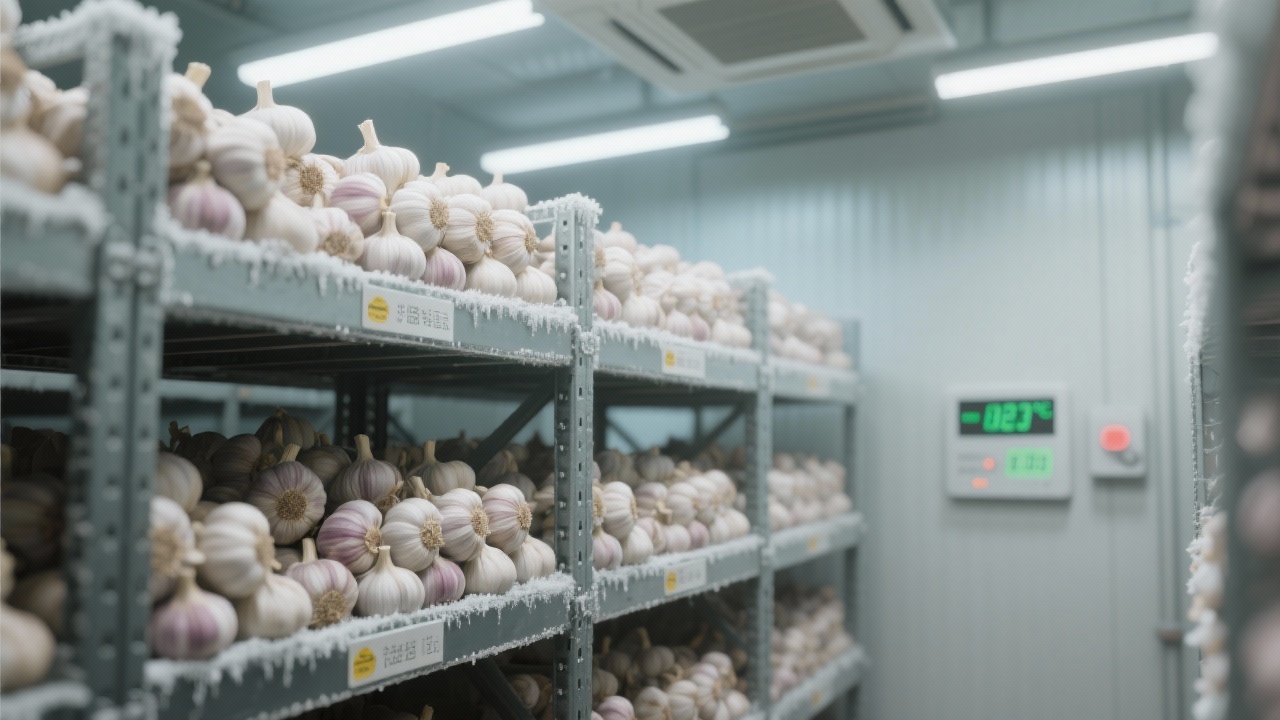
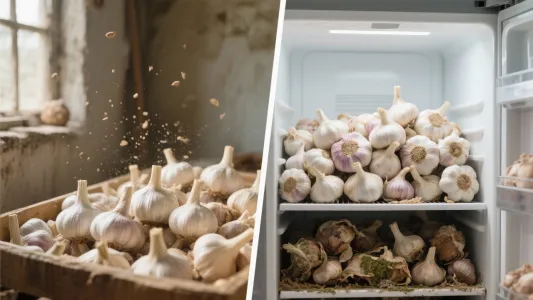
Extensive agricultural research confirms that a low-temperature range between -3°C and 0°C inhibits the enzymes responsible for degradation without triggering ice crystal formation that could rupture cell membranes. This specific range protects the garlic’s internal tissues and preserves key flavor compounds such as allicin.
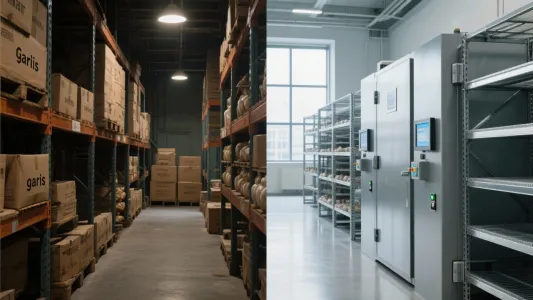
For restaurateurs and food suppliers, ensuring garlic arrives crisp, dry, and pungent depends on strict temperature management throughout the supply chain—from cold storage facilities to refrigerated transport, and eventually kitchen inventory.
Incorporating professional refrigerated storage units calibrated to maintain between -3°C and 0°C allows you to minimize physiological ageing and maintain textural integrity during transportation. Upon arrival, continuing cold storage prevents early germination within kitchen stock rooms.
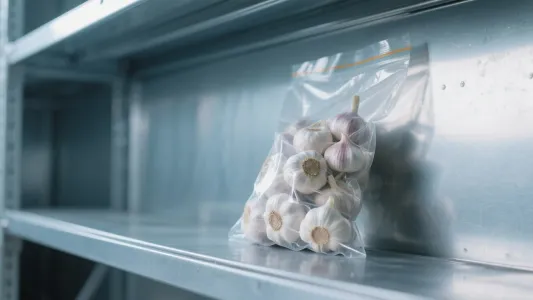
The role of packaging cannot be overstated. Utilizing 10kg mesh (net) bags synergizes with the cold storage environment by optimizing air circulation around each bulb. This improved ventilation reduces hotspots of moisture accumulation that encourage fungal growth and cross-contamination.
Mesh bags also facilitate faster cooling during loading and unloading, enhancing overall temperature uniformity. As a result, the risk of spoilage decreases along with product weight loss—meaning each batch reaching your kitchen maintains premium quality.
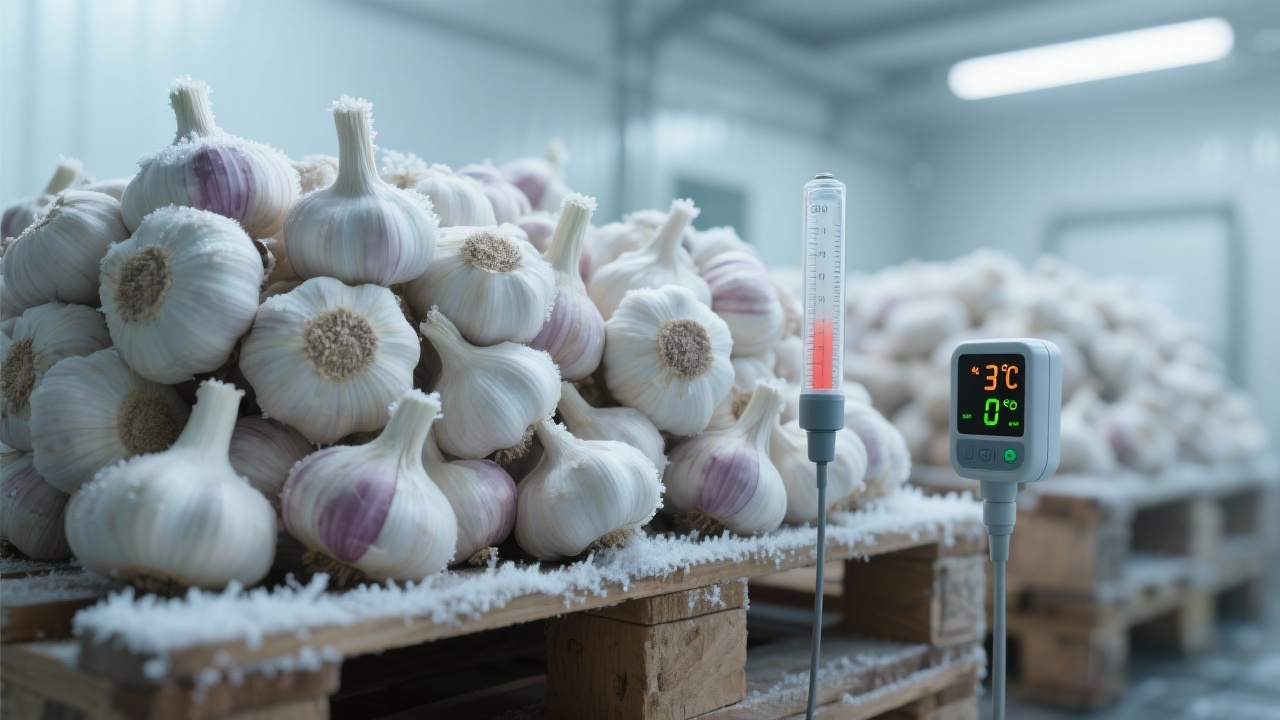
Consider the practical impact of temperature management on garlic quality through this simplified infographic:
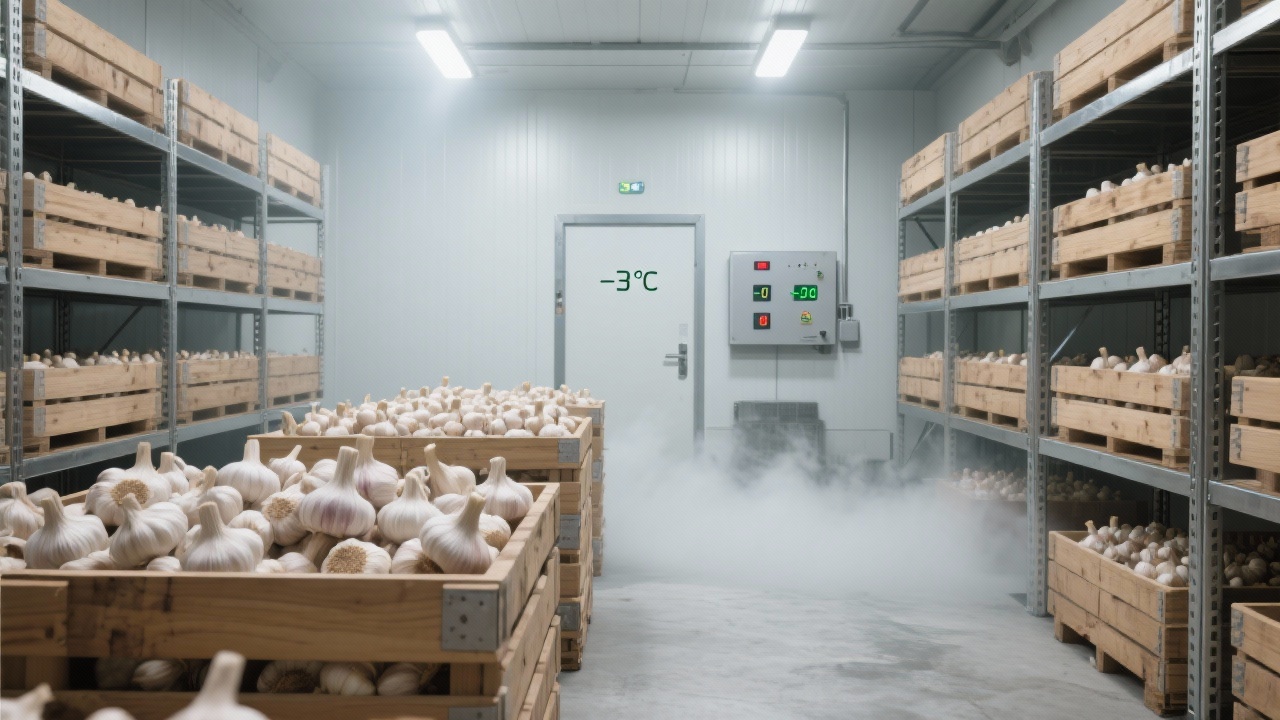
As a decision-maker overseeing supply or foodservice operations, embedding reliable cold storage practices and scientifically chosen packaging methods into your procurement chain is crucial. Not only does this protect your investment in premium garlic, but it also ensures every dish served carries intact natural flavor and nutritional benefits—your customers deserve no less.
Remember: “Let every ingredient earn your trust, starting with quality control from the source.”
How do you currently manage garlic storage in your supply chain? Share your experience and challenges below — let's start a conversation on keeping garlic fresh and flavorful from farm to fork!

 153
|
153
|
 European garlic market
premium garlic varieties
garlic storage techniques
foodservice garlic procurement
refrigerated garlic packaging
European garlic market
premium garlic varieties
garlic storage techniques
foodservice garlic procurement
refrigerated garlic packaging
 173
|
premium purple garlic
garlic export advantages
cold chain stored garlic
garlic variety comparison
anthocyanin-rich garlic
173
|
premium purple garlic
garlic export advantages
cold chain stored garlic
garlic variety comparison
anthocyanin-rich garlic
 92
|
garlic cold chain preservation
sea freight temperature control
agricultural refrigeration technology
cold chain logistics management
export garlic freshness
92
|
garlic cold chain preservation
sea freight temperature control
agricultural refrigeration technology
cold chain logistics management
export garlic freshness
 156
|
fresh garlic
garlic storage techniques
mesh bag packaging
garlic variety selection
international agricultural products supply
156
|
fresh garlic
garlic storage techniques
mesh bag packaging
garlic variety selection
international agricultural products supply
 342
|
garlic cross-border transport loss
10kg mesh bag packaging
agricultural cold chain packaging
food logistics optimization
garlic storage technology
342
|
garlic cross-border transport loss
10kg mesh bag packaging
agricultural cold chain packaging
food logistics optimization
garlic storage technology
_(2).jpg?x-oss-process=image/resize,m_fill,h_200,w_200/format,webp)

.png?x-oss-process=image/resize,h_600,m_lfit/format,webp)








.png?x-oss-process=image/resize,h_200,m_lfit/format,webp)





 TikTok
 Facebook