
The challenge of maintaining freshness and quality during global transportation is a pressing concern in the agricultural export industry, where perishability could cost millions. Among high-value crops, garlic stands out due to its delicate biochemical nature and sensitivity to temperature fluctuations. This article delves into cold chain preservation technology operating between -3°C and 0°C as the gold standard to consistently protect garlic’s flavor, extend shelf life, and minimize loss—transforming supply chains and reassuring buyers worldwide that every bulb of garlic delivered is trustworthy and premium.
Agricultural commodities, especially those like garlic prized for culinary and medicinal value, face significant hurdles during export logistics. Studies indicate that improper temperature management during transport can increase product loss by up to 25–35%, often resulting in discoloration, sprouting, and enzymatic degradation. Traditional storage conditions averaging 15°C or higher lead not only to accelerated spoilage but also diminished organoleptic and nutritional properties. These fluctuations particularly distort garlic’s pungency—a critical purchasing criterion for international buyers.
Garlic’s biochemical stability hinges on slowing microbial proliferation and enzymatic reactions that trigger spoilage and flavor loss. Temperature ranges between minus 3 and zero degrees Celsius provide a sweet spot that effectively inhibits most spoilage bacteria and molds without causing the freeze damage associated with lower temperatures. This range preserves the active alliinase enzyme responsible for garlic’s aroma and health benefits while curbing sprouting—commonly observed above 5°C.
“Maintaining a cold chain at precisely controlled temperatures is critical to reducing microbial growth by over 90%, directly translating into reduced losses and longer shelf life,” says Dr. Helen Wang, a global food preservation expert.
| Criteria | Cold Chain Preservation (-3°C to 0°C) | Traditional Storage (15°C+) |
|---|---|---|
| Average Loss Rate | 5-8% | 25-35% |
| Nutritional Retention | >90% | 70-75% |
| Flavor Consistency | High | Variable, often degraded |
| Compliance with HACCP and GMP Standards | Full compliance achievable | Limited and inconsistent |
In 2019, a European garlic exporter suffered losses exceeding 30% due to temperature control failure where storage temperatures exceeded 10°C for prolonged periods mid-transit, resulting in sprouted and soft bulbs rejected by major buyers. Contrarily, an Asian exporter implementing continuous refrigerated storage with real-time temperature audits recorded loss rates below 7%, boosted contract renewals by 40%, and earned a preferred supplier status across multiple markets.
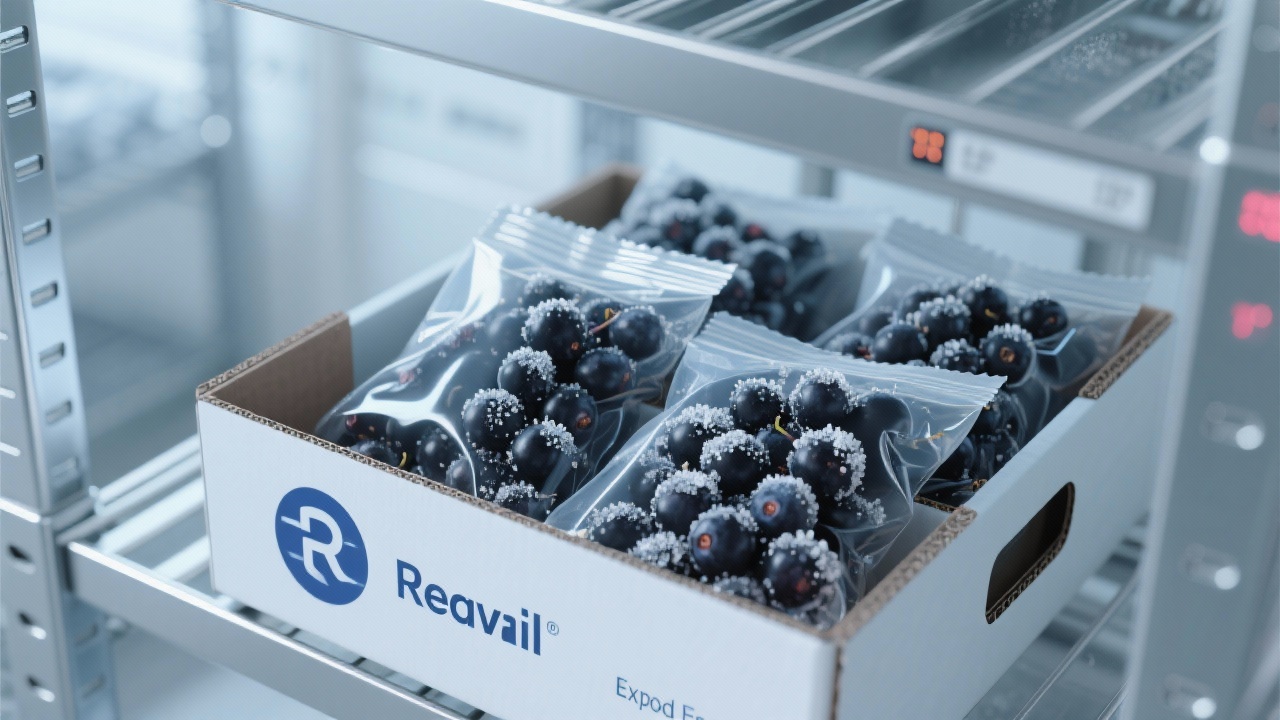
The implementation of cold chain technologies must align with rigorous certification frameworks like HACCP (Hazard Analysis and Critical Control Points) and GMP (Good Manufacturing Practices). These certifications assure rigorous monitoring points, traceability, and documentation that underscore product safety and quality integrity throughout the supply chain. Compliance not only meets import requirements but also boosts buyer confidence and market access.
Cold chain management transcends being a mere logistics consideration; it becomes a visible testament of brand reliability and product quality assurance. Suppliers investing in advanced cold preservation differentiate themselves by delivering guaranteed freshness and consistent performance, fostering repeat business and commanding premium pricing. The simple decision to “choose us means choosing stable quality” becomes a core value proposition resonating profoundly with discerning international buyers.
.png?x-oss-process=image/resize,h_600,m_lfit/format,webp)




.png?x-oss-process=image/resize,h_200,m_lfit/format,webp)





 TikTok
 Facebook