
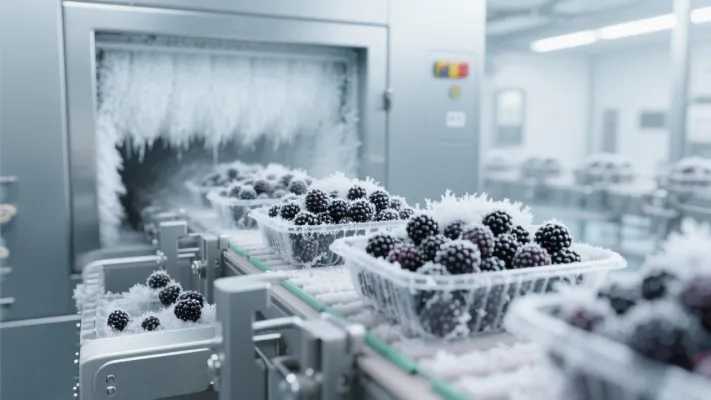
Did you know that nearly one-quarter of all fresh garlic worldwide is lost during transportation and storage? That’s not just a number—it’s a missed opportunity for farmers, importers, logistics providers, and food processors alike. In fact, according to the FAO (Food and Agriculture Organization), global post-harvest losses in horticulture average between 20–30%, with garlic being particularly vulnerable due to its high moisture content and sensitivity to temperature swings.
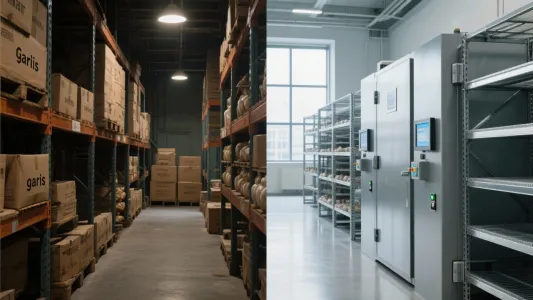
Unlike many root vegetables, garlic requires precise cold chain control—not freezing, but near-freezing temperatures. Research from the University of California Davis shows that storing garlic at -3°C to 0°C significantly slows microbial growth while preserving texture, flavor, and vitamin C levels over extended periods. This narrow range is where modern refrigerated transport shines—unlike traditional methods that often swing between +5°C and +15°C, causing rapid spoilage and odor degradation.
Key benefit: A study published in the Journal of Food Engineering found that garlic stored under controlled cold chain conditions retained up to 92% of its original weight and quality after 6 weeks—compared to only 65% in standard warehouses.
Take the case of a major garlic exporter in China who switched from open-air trucking to temperature-controlled shipping containers. Within three months, their international client satisfaction rose by 40%, and rejection rates dropped from 12% to less than 3%. Why? Because buyers in Europe and the Middle East now receive consistent, high-quality product—no more soft cloves or moldy batches.
This isn’t just about better packaging—it’s about compliance. Leading exporters now integrate HACCP (Hazard Analysis and Critical Control Points) standards into every stage of the supply chain, ensuring traceability, safety, and predictability. For example, real-time IoT sensors monitor temperature fluctuations even mid-voyage, allowing immediate corrective action if needed.
For procurement managers, this means fewer complaints, stronger supplier relationships, and repeat orders. For logistics companies, it's a competitive edge—you’re no longer just moving goods; you're delivering trust.
Pro Tip: If your current cold chain lacks continuous monitoring, you’re likely losing money without knowing it. Even a single 3-hour spike above 5°C can trigger accelerated decay in garlic bulbs.
Whether you’re sourcing garlic from Asia, managing a European distribution hub, or building a value-added processing line—understanding your cold chain’s weak points is the first step toward reducing waste and boosting margins.
👉 Click below to download our free “Cold Chain Audit Checklist”—a practical tool used by top-tier suppliers across 17 countries to identify gaps in temperature control, documentation, and compliance. It takes less than 5 minutes to complete—and could save you thousands in avoidable losses this season.
Download Your Free Cold Chain Audit Checklist Now* Based on verified industry benchmarks from FAO, USDA, and third-party logistics audits (2023–2024).

 229
|
229
|
 garlic selection
garlic storage techniques
high - quality garlic
mesh bag packaging
fresh garlic inspection
garlic selection
garlic storage techniques
high - quality garlic
mesh bag packaging
fresh garlic inspection
 39
|
fresh ginger functional ingredient
gingerol health benefits
natural health food development
global ginger export
ginger extract applications
39
|
fresh ginger functional ingredient
gingerol health benefits
natural health food development
global ginger export
ginger extract applications
 327
|
premium grade a white garlic
food processing ingredient optimization
european garlic market demand
cold chain storage for garlic
agricultural supply chain reliability
327
|
premium grade a white garlic
food processing ingredient optimization
european garlic market demand
cold chain storage for garlic
agricultural supply chain reliability
 189
|
garlic export packaging
cold chain logistics optimization
food supply chain efficiency
net bag design
cargo damage reduction
189
|
garlic export packaging
cold chain logistics optimization
food supply chain efficiency
net bag design
cargo damage reduction
 201
|
garlic cold chain temperature
agricultural cold storage technology
international cold chain standards
HACCP cold chain guidelines
fresh produce cold chain management
201
|
garlic cold chain temperature
agricultural cold storage technology
international cold chain standards
HACCP cold chain guidelines
fresh produce cold chain management





.png?x-oss-process=image/resize,h_600,m_lfit/format,webp)




.png?x-oss-process=image/resize,h_200,m_lfit/format,webp)





 TikTok
 Facebook