
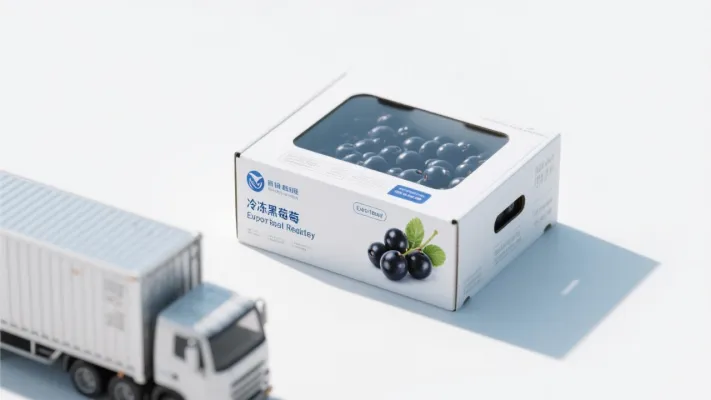
Global food supply chains are under constant pressure—to deliver fresh, safe, and consistent produce across borders. For agricultural commodities like garlic, maintaining quality from farm to fork hinges on one critical factor: temperature control. According to a 2023 study by the Food and Agriculture Organization (FAO), improper cold chain management results in up to 25% post-harvest loss for perishable crops—costing the industry over $40 billion annually.
Unlike many fruits or vegetables that thrive at higher chill temperatures, garlic requires a narrow thermal window to preserve its flavor profile, enzymatic activity, and shelf life. Research published in the Journal of Food Science (2022) confirms that storing garlic between -3°C and 0°C reduces moisture loss by 60%, inhibits sprouting by 85%, and preserves allicin content—the key compound responsible for garlic’s health benefits—for up to 90 days longer than standard refrigeration.
This precision isn’t just theoretical—it’s operational. In a case study involving a major exporter in China, implementing this exact range led to a 40% drop in customer complaints related to softness, discoloration, and odor issues during international transit.
| Storage Condition | Expected Shelf Life | Loss Rate (%) |
|---|---|---|
| Standard Refrigeration (4–8°C) | 30–45 days | 15–20% |
| Optimized Cold Chain (-3°C to 0°C) | 60–90 days | 5–8% |
Modern cold chain logistics go beyond temperature alone—they integrate real-time monitoring, humidity control, and traceability systems. Companies adopting IoT-enabled cold storage solutions report an average 30% improvement in product consistency and a 20% reduction in handling errors.
Take the example of a European importer who switched from dry ice-packed shipments to temperature-controlled containers with continuous data logging. Their inbound quality inspection pass rate rose from 78% to 96% within six months—a direct result of better-controlled conditions throughout transit.
And it’s not just about performance—it’s compliance. Standards like HACCP and GMP require documented proof of temperature integrity during transport. Without proper records, even high-quality products may fail customs inspections or be rejected by retailers demanding full traceability.
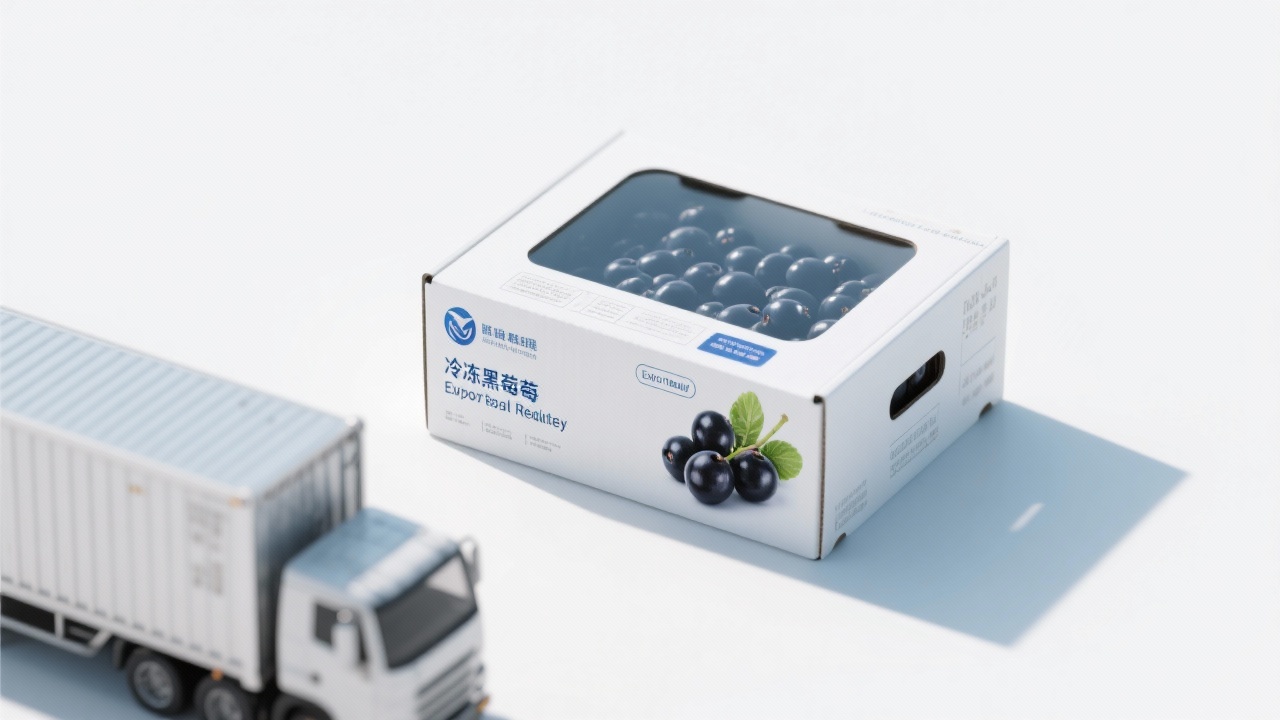
If you're involved in sourcing, shipping, or managing agricultural goods, now is the time to audit your current cold chain strategy. Whether you’re working with garlic, onions, or other temperature-sensitive crops, understanding how well your processes align with global best practices can make the difference between a satisfied buyer—and a lost order.
We’ve compiled a practical, no-fluff checklist based on real-world audits and expert input. It includes questions on equipment calibration, documentation standards, and supplier vetting—all designed to help you identify gaps before they impact your bottom line.
Download Your Free Cold Chain Compliance Checklist Now
.png?x-oss-process=image/resize,h_600,m_lfit/format,webp)




.png?x-oss-process=image/resize,h_200,m_lfit/format,webp)





 TikTok
 Facebook