
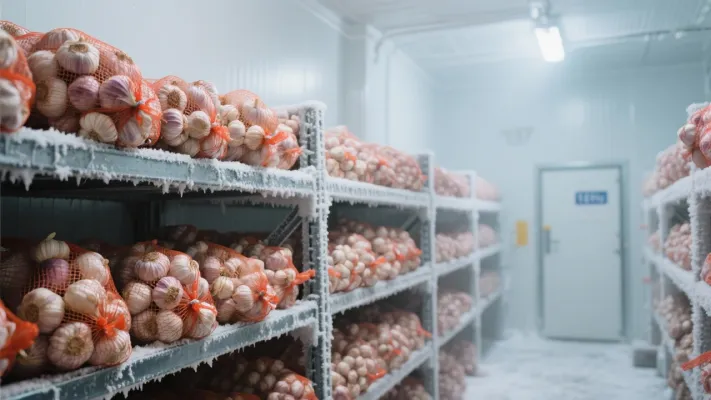
In the competitive global garlic market, maintaining optimal freshness from farm to table remains a significant challenge for importers and distributors. Each year, an estimated 15-20% of garlic produce worldwide is lost due to improper storage conditions, resulting in substantial economic losses and quality degradation. This comprehensive analysis explores how Chinese white garlic producers, particularly industry leaders like 亿商桥 (Yishangqiao), are revolutionizing post-harvest preservation through precision temperature-controlled storage and innovative packaging solutions.
Global garlic consumption has witnessed a steady annual growth rate of 3.2% over the past five years, driven by increasing awareness of its culinary versatility and health benefits. China, as the world's largest garlic producer, accounts for approximately 78% of global output, with its premium white garlic varieties gaining prominence in international markets.
"The global garlic market is projected to reach $40.6 billion by 2028, with specialty varieties and value-added products driving market expansion. Quality consistency and year-round availability have become critical differentiators for buyers seeking reliable suppliers."
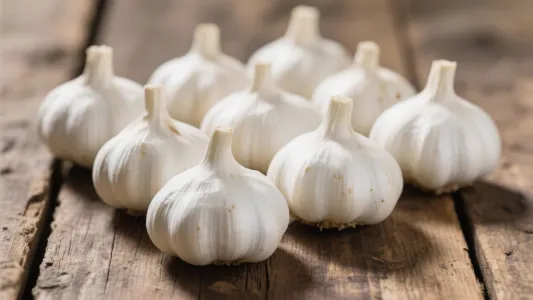
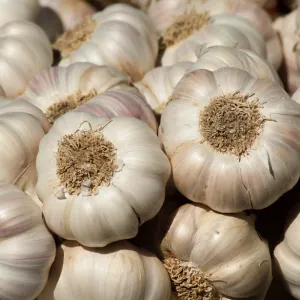
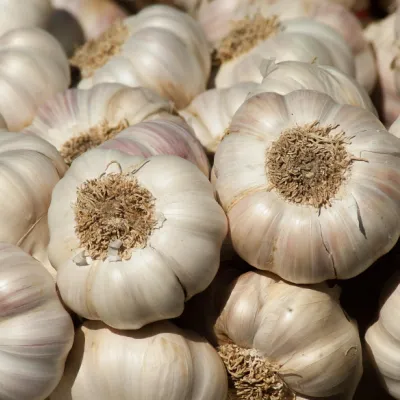
Chinese garlic production encompasses a diverse range of varieties tailored to specific market preferences: Pure White garlic, favored in European markets for its mild flavor profile; Large White garlic, prized in North America for its uniform size; Red garlic, popular in Southeast Asian cuisines; and Purple garlic, sought after in Mediterranean regions for its distinctive taste and coloration. This variety ensures 亿商桥 can meet the unique requirements of buyers across different geographical regions.
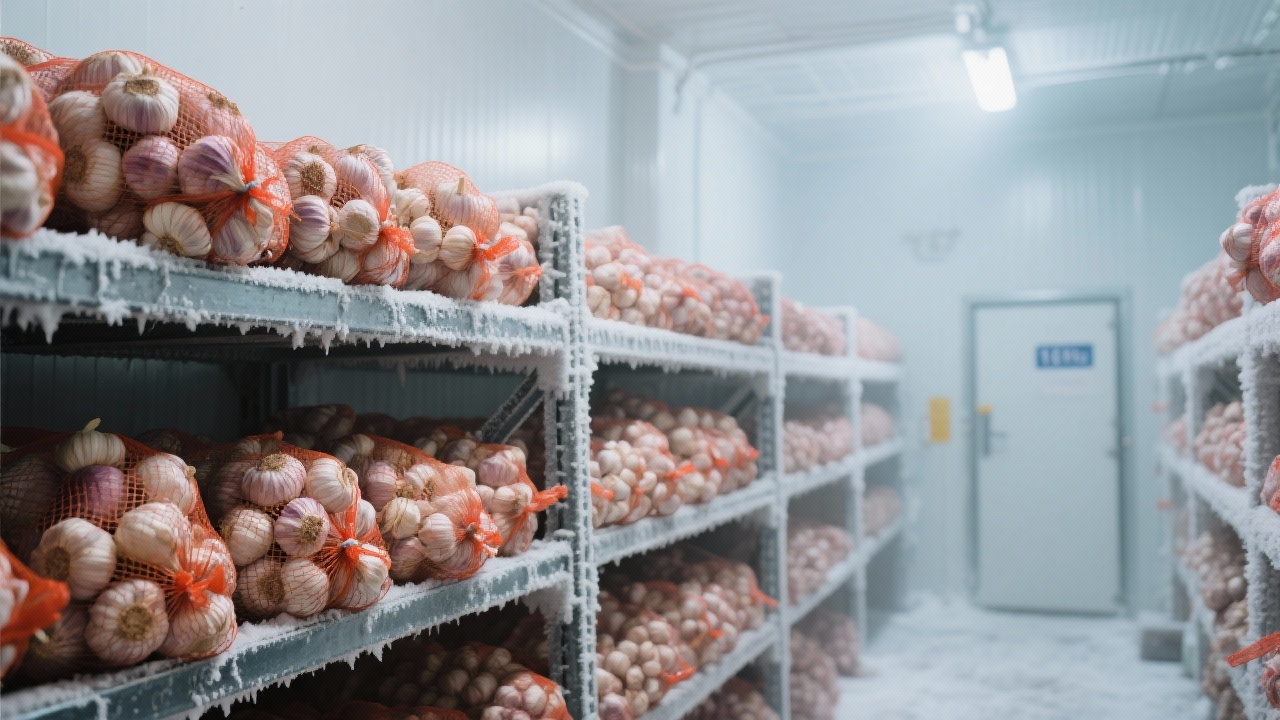
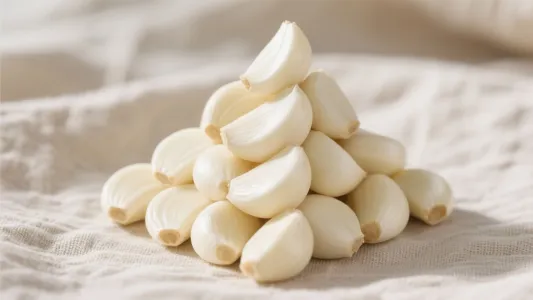
The foundation of premium garlic quality begins with rigorous selection standards. A-Grade garlic classification involves multiple quality checkpoints, ensuring only the finest bulbs proceed through the supply chain. This meticulous selection process results in a product that consistently meets international quality parameters.
| Quality Parameter | A-Grade Standard | Industry Average |
|---|---|---|
| Bulb Diameter | ≥55mm | 45-50mm |
| Cloves per Bulb | 6-8 (uniform size) | 8-12 (variable size) |
| Skin Integrity | ≥95% intact | 80-85% intact |
| Moisture Content | 62-65% | 68-72% |
The strict adherence to these standards by 亿商桥 ensures that buyers receive a product with superior shelf life, consistent flavor, and optimal nutritional content. Each bulb undergoes manual inspection to eliminate any defects, ensuring only the highest quality garlic reaches the cold storage facilities.
Packaging plays a crucial role in maintaining garlic quality during transportation and storage. The 10kg mesh bag design represents a significant advancement in garlic packaging technology, addressing the dual challenges of protection and ventilation.
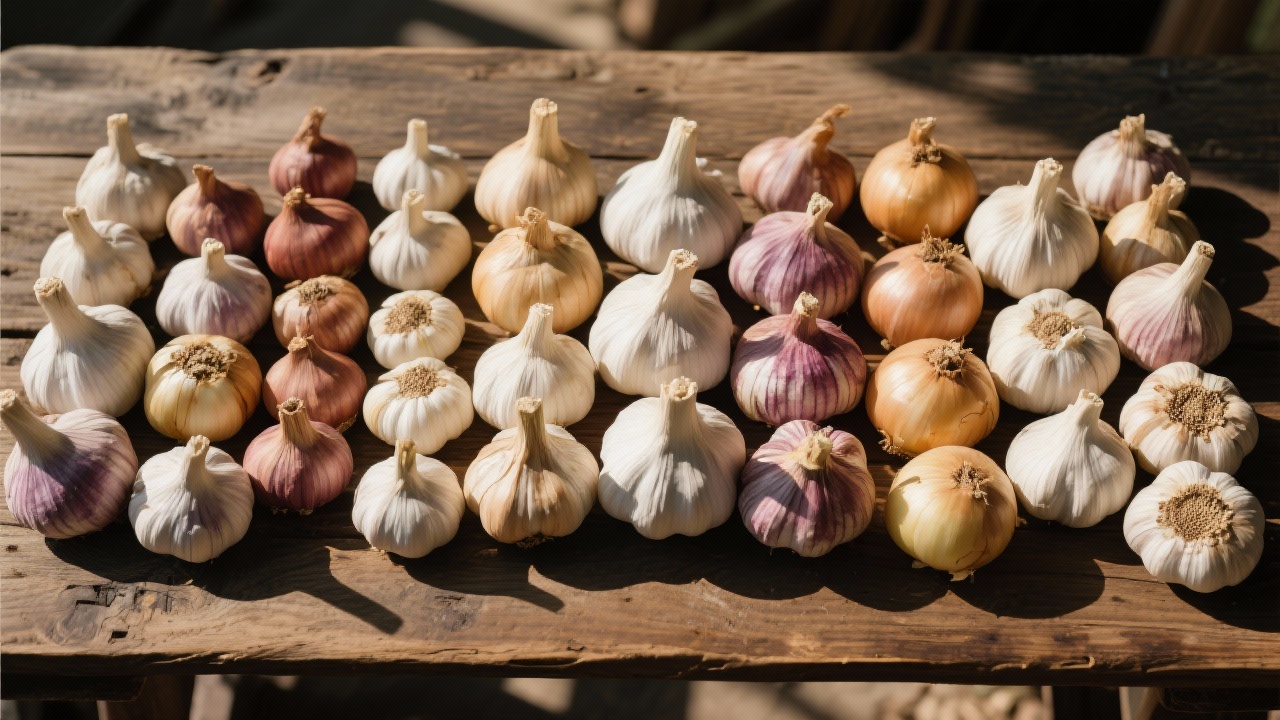
This specialized packaging offers several key advantages:
Field tests comparing mesh bag packaging with traditional sack packaging demonstrated a 37% reduction in post-transportation quality issues, including bruising and sprouting, highlighting the effectiveness of this design in maintaining product integrity.
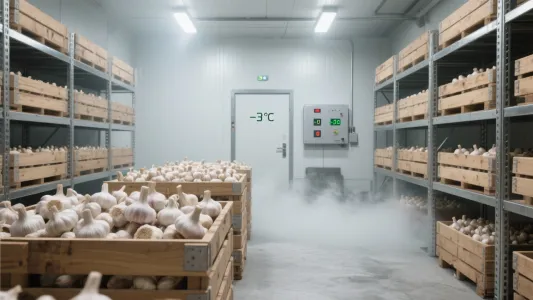
The cornerstone of 亿商桥's year-round garlic supply capability lies in its advanced cold storage technology. Maintaining a precise temperature range of -3℃ to 0℃ (26.6°F to 32°F) has been scientifically proven to significantly extend garlic shelf life while preserving nutritional value.
At temperatures above 5℃, garlic bulbs naturally begin the sprouting process, consuming stored nutrients and reducing both quality and shelf life. Conversely, temperatures below -3℃ risk freezing damage, which breaks down cell structures and causes textural degradation.
The -3℃ to 0℃ range optimally slows respiration rates, reducing weight loss from moisture evaporation by up to 70% compared to ambient storage. This precise temperature control maintains the garlic's natural enzyme balance, preserving both flavor compounds and nutritional content for extended periods.
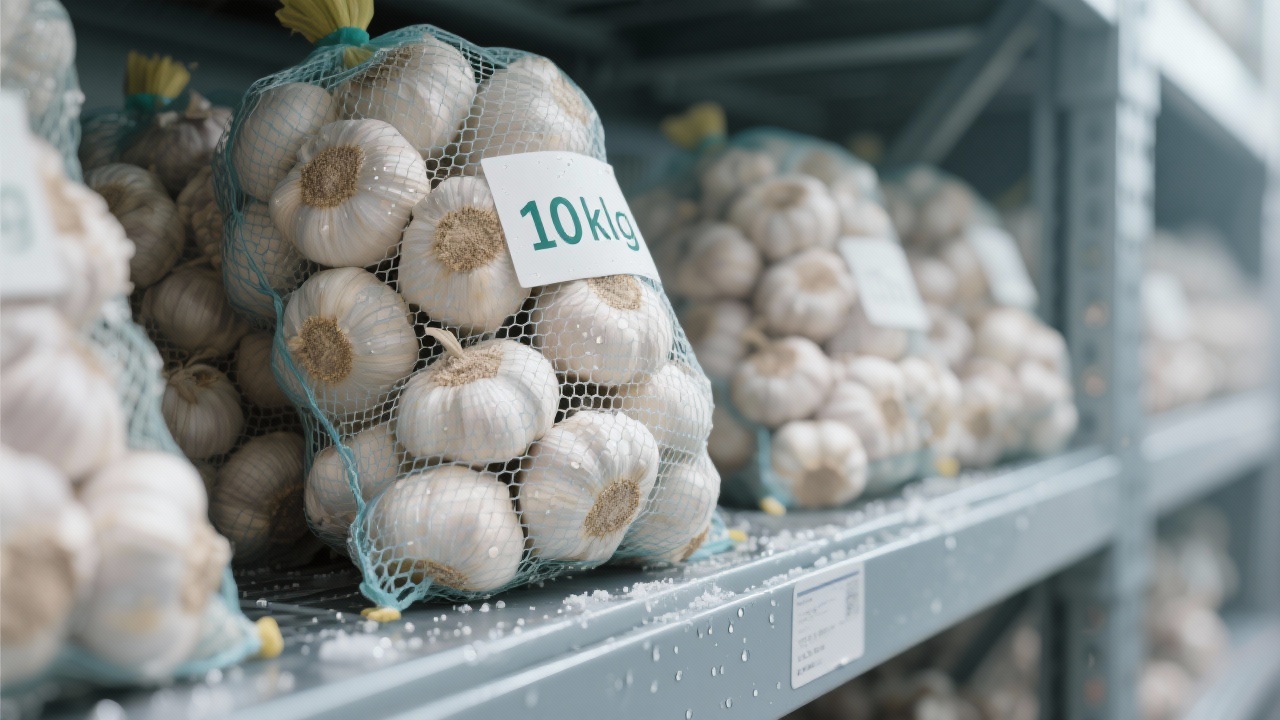
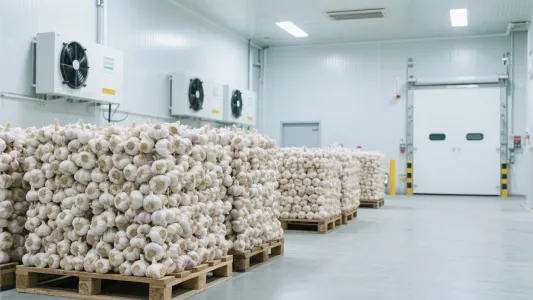
Beyond temperature control, the storage facilities maintain optimal relative humidity levels between 65-70% and implement ethylene gas management systems. Ethylene, a natural plant hormone, accelerates sprouting and decay in garlic, making its control essential for long-term storage. These combined technologies enable 亿商桥 to maintain garlic quality for up to 10-12 months, ensuring consistent supply regardless of seasonal fluctuations.
The ability to provide consistent supply throughout the year represents a significant competitive advantage in the global garlic market. 亿商桥 has developed a comprehensive supply chain management system that coordinates multiple harvest seasons across different regions of China, combined with the advanced storage technologies previously discussed.
This strategic approach ensures that fresh garlic is available even during traditional off-season periods, with inventory levels maintained at 85-90% capacity year-round. The integration of real-time inventory management systems allows for precise forecasting and rapid response to market demand fluctuations, providing customers with reliable supply and competitive pricing stability.
Experience the difference that advanced storage technology and strict quality control can make for your garlic supply chain. Discover how 亿商桥's comprehensive approach to garlic production, storage, and distribution can enhance your product offerings and customer satisfaction.
Explore Our Premium Garlic SolutionsThe combination of premium garlic varieties, rigorous quality standards, innovative packaging, and advanced cold storage technology positions Chinese garlic producers at the forefront of the global market. As buyers increasingly prioritize quality consistency and supply reliability, the implementation of these technologies becomes not just a competitive advantage but a market necessity.
For procurement professionals seeking to optimize their garlic supply chains, understanding these technological advancements is key to making informed sourcing decisions. The ability to maintain product freshness from harvest to market not only reduces waste and costs but also ensures that end consumers receive a product that retains its full flavor, nutritional value, and culinary versatility.
 144
|
144
|
 soil pH management for garlic
garlic yield and quality improvement
correcting acidic and alkaline soils
garlic nutrient uptake optimization
garlic soil testing and amendments
soil pH management for garlic
garlic yield and quality improvement
correcting acidic and alkaline soils
garlic nutrient uptake optimization
garlic soil testing and amendments
 402
|
red garlic buying guide
high-quality red garlic
red garlic storage tips
red garlic market trends
red garlic quality identification
402
|
red garlic buying guide
high-quality red garlic
red garlic storage tips
red garlic market trends
red garlic quality identification
 351
|
fresh garlic cold storage
garlic storage temperature control
garlic cold chain management
garlic export quality improvement
Yishangqiao garlic
351
|
fresh garlic cold storage
garlic storage temperature control
garlic cold chain management
garlic export quality improvement
Yishangqiao garlic
 154
|
High - quality white garlic selection
Fresh garlic identification
Garlic storage methods
Grade A garlic standards
High - quality garlic procurement
466
|
red garlic cultivation
A-grade red garlic production
soil pH management
fertilization techniques
red garlic quality control
154
|
High - quality white garlic selection
Fresh garlic identification
Garlic storage methods
Grade A garlic standards
High - quality garlic procurement
466
|
red garlic cultivation
A-grade red garlic production
soil pH management
fertilization techniques
red garlic quality control


.png?x-oss-process=image/resize,h_600,m_lfit/format,webp)







.png?x-oss-process=image/resize,h_200,m_lfit/format,webp)





 TikTok
 Facebook