
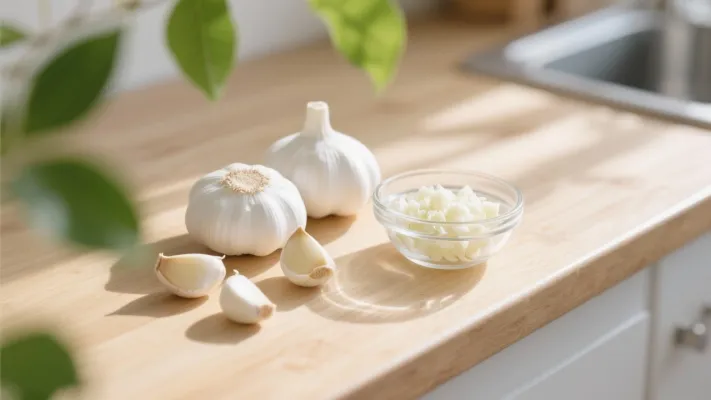
In the competitive landscape of European garlic procurement, discerning high-quality A-grade garlic is paramount for procurement professionals aiming to secure reliable and premium supplies. This article delves into five critical quality indicators that define superior A-grade garlic: integrity of the bulb’s appearance, size uniformity, surface cleanness, clove firmness, and the absence of sprouting. Through a scientific and practical lens, it compares garlic sourced from China’s major growing regions against imported varieties, offering insightful evaluation methods to help buyers minimize quality risks and optimize purchasing decisions.
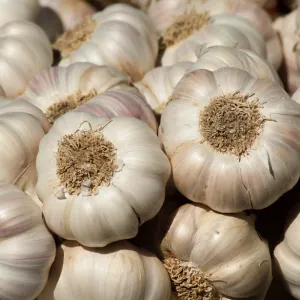
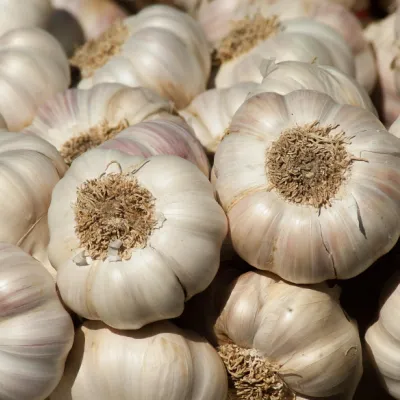
International standards for A-grade garlic emphasize strict adherence to five core parameters. These parameters not only guarantee consistent quality but also align with buyer expectations in demanding European markets.
| Quality Parameter | Description & Evaluation Method | Target Standard |
|---|---|---|
| Appearance Integrity | Bulb must be intact, free from damage, cracks or fungal spots. Visual inspection under natural light recommended. | ≥98% undamaged bulbs |
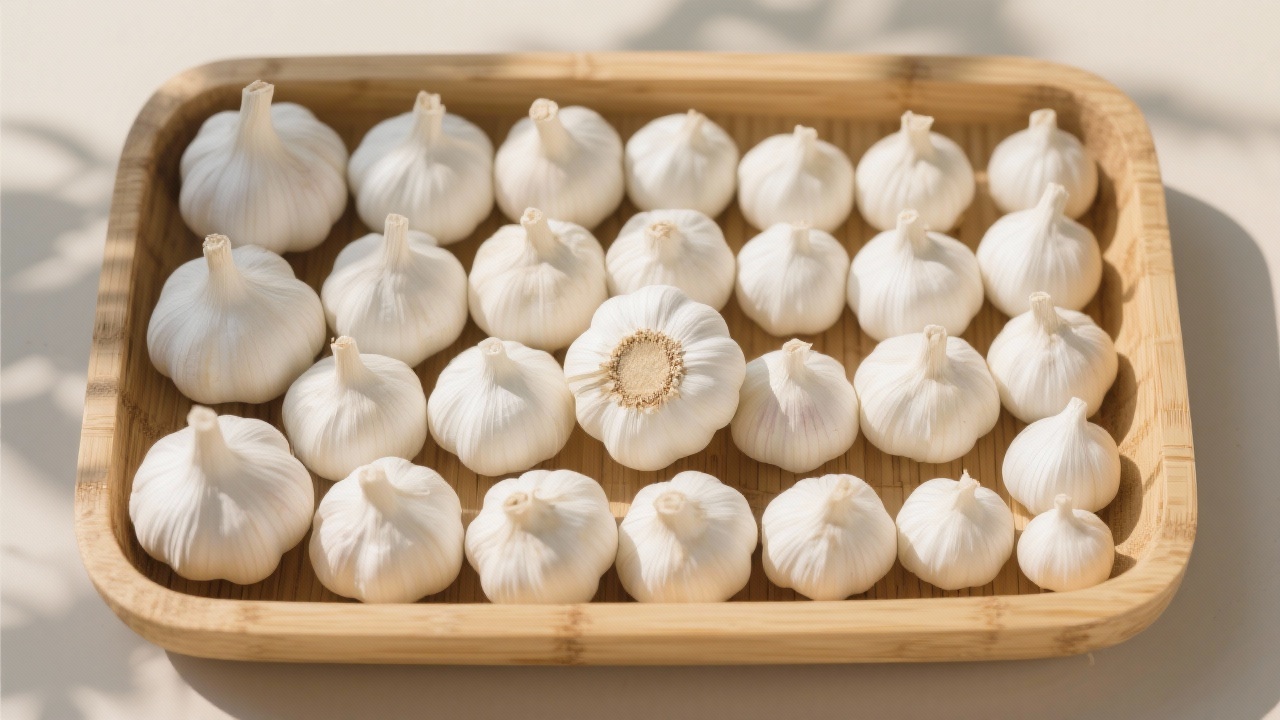
| Size Uniformity | Bulbs uniform in diameter (typically 5-7 cm) ensure even cooking and packaging efficiency. | ≥90% bulbs within size range |
| Surface Cleanliness | Clean, bright white skin with no dirt or stains, verified via tactile and visual checks. | ≥95% clean surface area |
| Clove Firmness | Cloves should feel solid and compact; soft or hollow cloves indicate quality degradation. Light squeeze test recommended. | Firm and tight cloves in ≥97% bulbs |
| No Sprouting | Absence of green sprouts ensures freshness and longer shelf life. Visual inspection at the clove tips. | Sprout-free bulbs ≥99% |
Chinese garlic production regions are renowned globally for their extensive cultivation and export capacity. When examined under the outlined quality parameters, Chinese A-grade garlic typically demonstrates:
Imported garlic, sourced mainly from countries like Spain and Egypt, boasts excellent visual appeal and firmness but often commands higher prices due to smaller scale production and premium market branding. The choice between these sources hinges on balance among quality, cost-effectiveness, and supply stability.
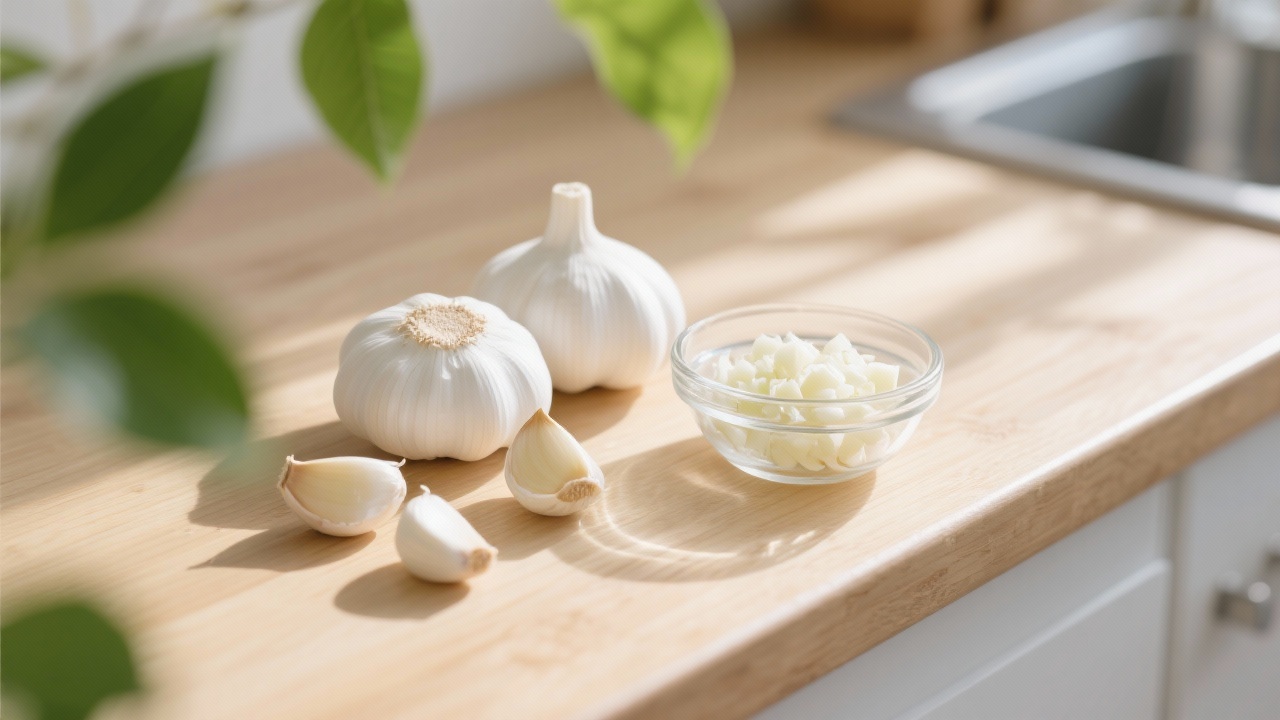
Procurement teams can employ easy-to-perform, repeatable tests to ensure quality without dependence on advanced lab equipment:
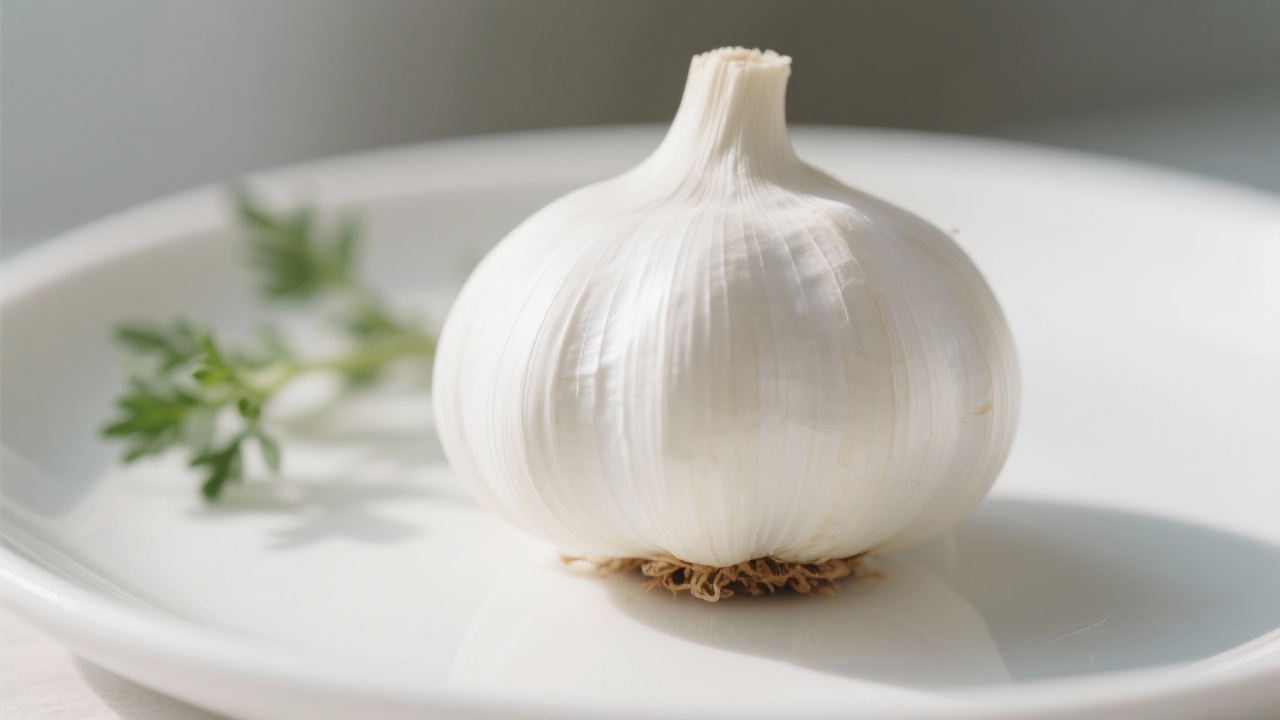
Establishing a scientifically sound evaluation system enables procurement managers to mitigate risk and make informed sourcing decisions. Companies implementing rigorous quality control protocols—such as origin traceability, batch sampling, and third-party inspection—demonstrate superior reliability. Furthermore, maintaining a year-round stable supply chain ensures market responsiveness and reduces inventory volatility.
For buyers prioritizing quality assurance and supply consistency, partnering with suppliers that deliver certified A-grade Chinese garlic with proven evaluation techniques fosters trust and streamlines procurement workflows.
.png?x-oss-process=image/resize,h_600,m_lfit/format,webp)



.png?x-oss-process=image/resize,h_200,m_lfit/format,webp)





 TikTok
 Facebook