
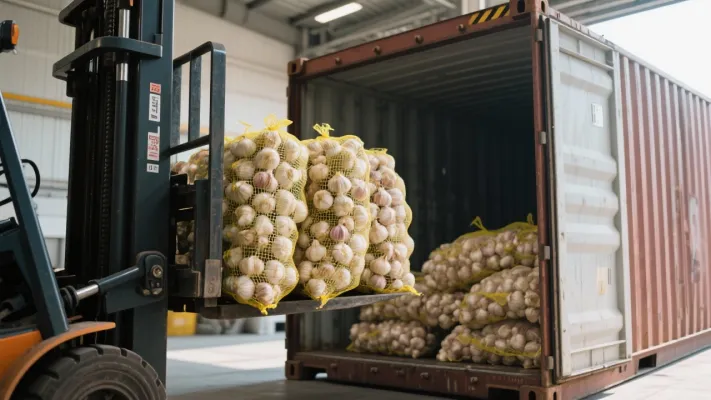
For EU buyers, “HACCP” and “GMP” are not marketing labels—they are a structured proof that a garlic supplier can control hazards, document decisions, and deliver consistent safety and quality at scale. In the EU, garlic is subject to a strict food safety framework where pesticide residues, contaminants, hygiene management, traceability, labeling, and cold-chain integrity can all become clearance or recall risks.
This guide explains the compliance workflow for exporting Chinese garlic to the EU, from farm monitoring to post-harvest handling, packing, inspection, and shipping—using HACCP principles and GMP discipline as the backbone.
In procurement audits, GMP (Good Manufacturing Practice) is typically assessed as the baseline: facility hygiene, personnel practices, pest control, cleaning validation, water safety, equipment maintenance, allergen/foreign-body control, and documentation routines. HACCP (Hazard Analysis and Critical Control Points) is the decision-making system: identifying hazards and defining preventive controls with monitoring, corrective actions, verification, and records.
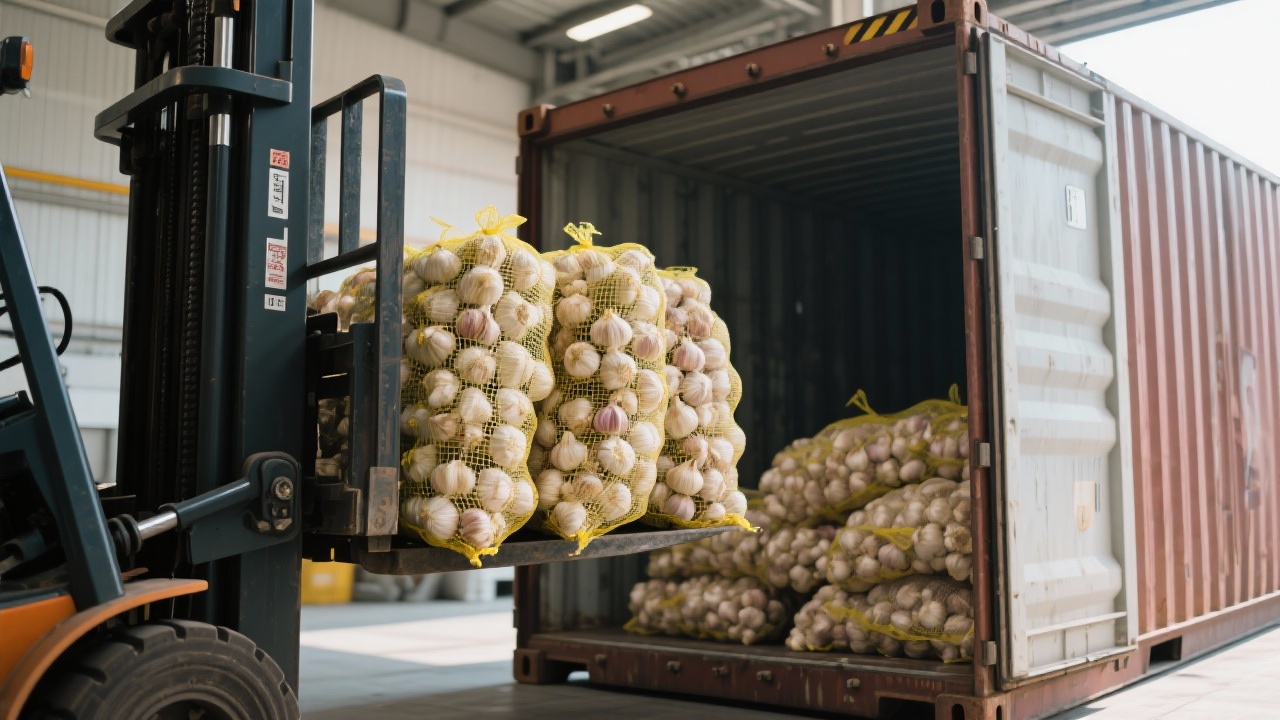
EU compliance starts before planting. Buyers increasingly request evidence that the growing area is monitored for environmental and chemical risks. While garlic is a low-water activity product, field conditions still influence heavy metal presence, pesticide residue patterns, and microbial load entering the post-harvest chain.
Approved agrochemical list with records for each application (date, dose, operator, weather) and strict pre-harvest interval control.
Soil and irrigation water testing by risk frequency (commonly annual soil screening; water monthly/quarterly depending on source), focusing on contaminants relevant to the region.
Harvest hygiene: clean containers, protected staging areas, worker hygiene training, and segregation of nonconforming material.
A practical note for exporters: EU buyers often evaluate “documentation reliability” as much as the test results. If field logs are inconsistent or cannot link to a packing lot, the perceived risk rises—regardless of actual quality.
In the EU, pesticide residues are controlled through legally defined MRLs (Maximum Residue Levels). Garlic shipments are typically assessed via documentary checks and, depending on risk patterns and origin, may be selected for laboratory testing at entry. A single exceedance can trigger rejections, intensified checks, or buyer delisting.
| Control point | What is checked | Typical frequency | Evidence expected |
|---|---|---|---|
| Pre-plant planning | Input selection, pest pressure history | Each season | Approved input list, field plan |
| In-season supervision | Application logs, PHI compliance | Every application | Spray records, operator training |
| Pre-harvest screening | Multi-residue panel (risk-based) | Each export lot (recommended) | Lab report / COA |
| Packhouse verification | Lot segregation, label linking | Every batch | Batch record, pallet ID |
Reference data: EU border-related agri-food controls vary by product and risk signals; exporters commonly adopt “each export lot pre-test” to reduce rejection probability.
Beyond residues, professional buyers may ask about heavy metals, mycotoxins (less common for garlic but occasionally requested), and PAHs if drying processes are involved. The most effective strategy is to maintain a risk-based testing plan and ensure every COA is traceable to a lot number printed on cartons and pallets.
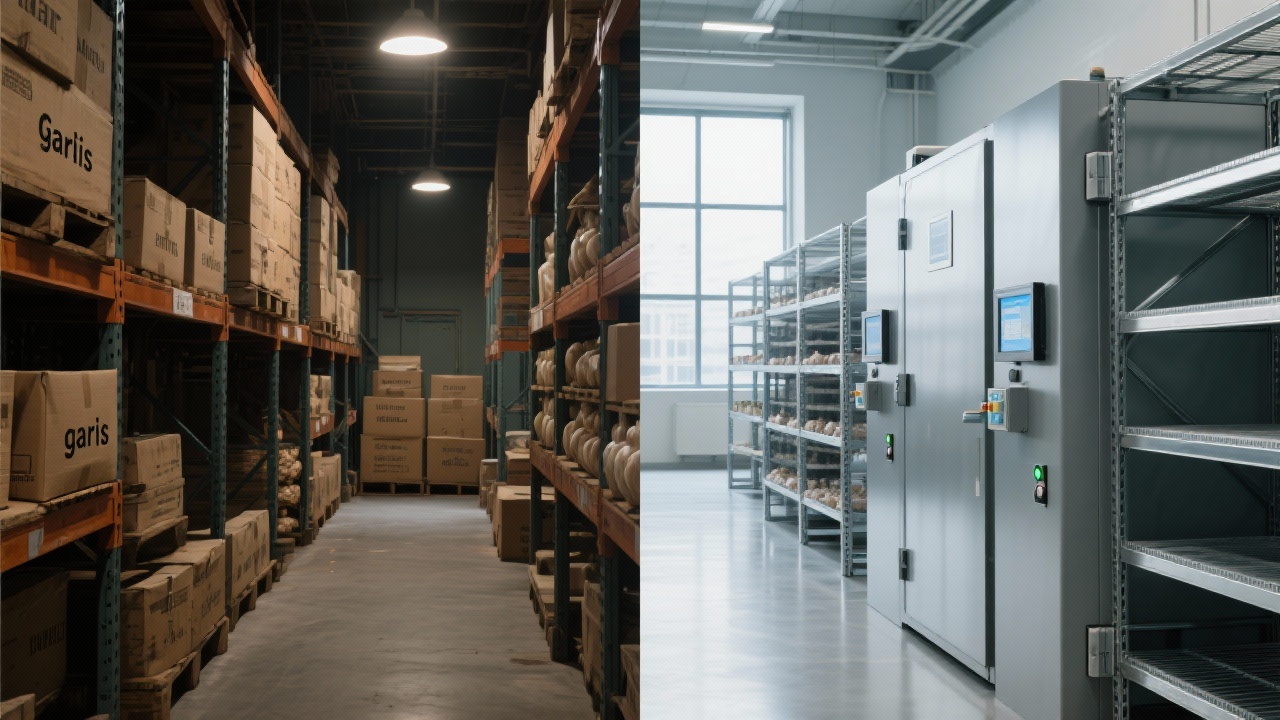
For EU imports, the packhouse is where HACCP becomes “visible.” The focus is on preventing contamination (physical, chemical, microbiological) and ensuring the finished product remains consistent across pallets and shipments.
Exporters that perform well in EU audits usually treat GMP as a daily habit: clear hygiene zoning, controlled personnel flow, routine swab/ATP checks for sanitation effectiveness, and structured training (with sign-in records). These details reduce buyer anxiety because they signal repeatability.
Even when product quality is strong, labeling errors can slow clearance or trigger disputes at destination. EU buyers generally expect packaging that is durable for long-distance shipping, while labels support traceability and provide the mandatory product identity information for distribution.
Note: exact labeling elements vary by product form and the importer’s destination channel (retail vs. foodservice). Buyers often provide an approved label template—following it strictly is usually the safest path.
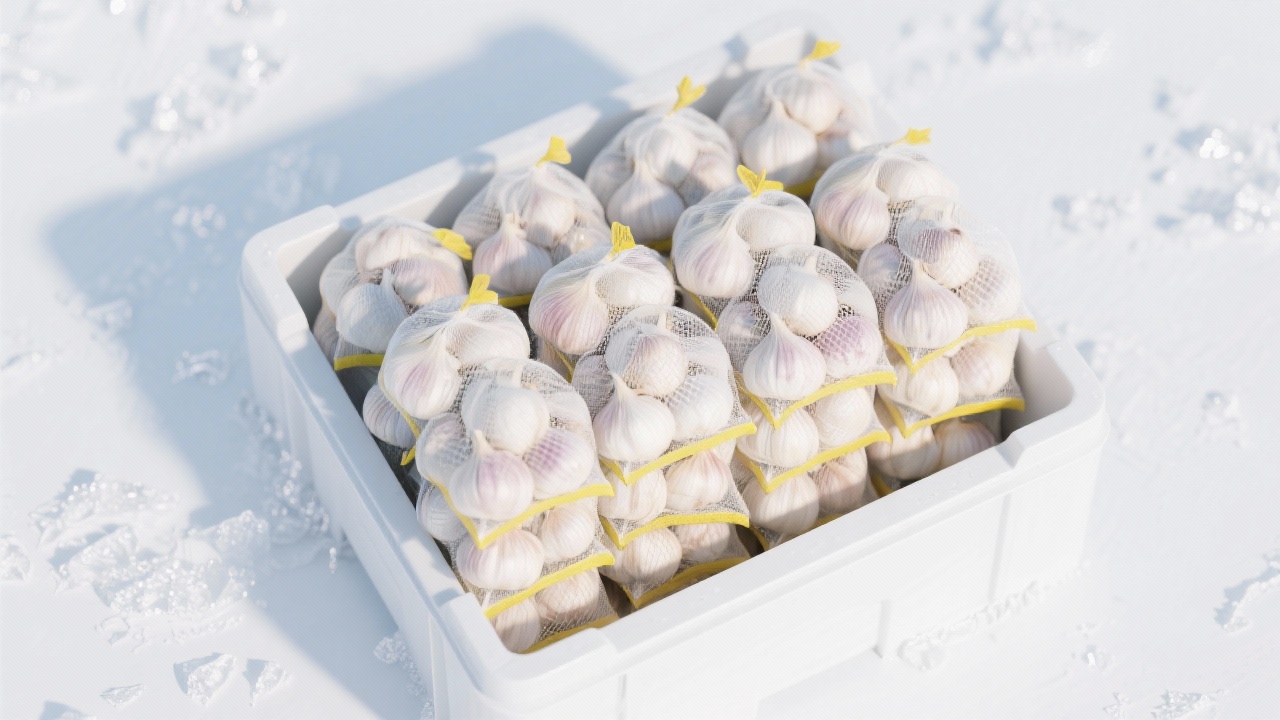
Exporting garlic to the EU is not only about production—it is about the ability to prove compliance quickly. EU importers want exporters who can provide consistent, audit-friendly documentation, reducing the risk of delays and demurrage.
A frequent real-world issue is “paper mismatch”—for example, a lot code on cartons that doesn’t match the COA, or a packing list that cannot reconcile pallet counts. Strong exporters prevent this with a single master lot ID system and pre-shipment document cross-checks.
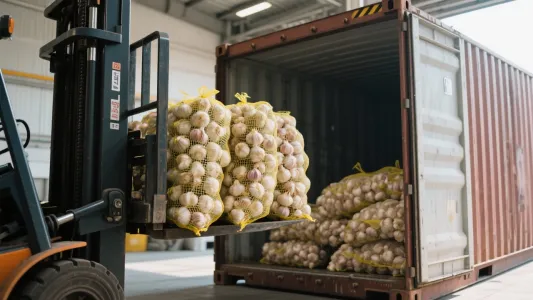
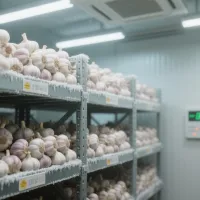
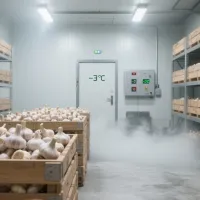
Garlic quality can shift quietly during long transit—sprouting, dehydration, or mold may appear if ventilation and temperature are not managed correctly. EU buyers increasingly evaluate logistics competence as part of supplier approval, especially for peeled or processed garlic where time/temperature control is more sensitive.
In practice, exporters who communicate proactively—sending loading photos, lot mapping, and logger placement—tend to see fewer disputes. This is not “extra work”; it is a measurable reduction in after-sales friction.
In EU supply chains, the most valuable suppliers are the ones who reduce the buyer’s uncertainty. Yishangqiao (Hangzhou) International Trading Co., Ltd. focuses on stable garlic sourcing and export execution with a compliance-first mindset—supporting buyers with lot-based traceability, consistent packing standards, and documentation readiness aligned with HACCP/GMP expectations.
For importers, wholesalers, and foodservice distributors, the practical advantage is simple: fewer surprises at destination, clearer proof files during audits, and smoother repeat orders when the season gets tight.
Request a buyer-ready compliance pack (lot traceability, residue testing options, packing specs, and shipping SOP alignment) tailored to your EU destination channel.
Source EU-Standard Chinese Garlic from YishangqiaoTypical response time: within 24 business hours with suggested specs and compliance documents for review.

 154
|
154
|
 European garlic market
premium garlic varieties
garlic storage techniques
foodservice garlic procurement
refrigerated garlic packaging
European garlic market
premium garlic varieties
garlic storage techniques
foodservice garlic procurement
refrigerated garlic packaging
 462
|
garlic packaging solutions
mesh bag design for agriculture
cold chain logistics for fresh produce
reduce food loss in export
sustainable packaging for garlic
462
|
garlic packaging solutions
mesh bag design for agriculture
cold chain logistics for fresh produce
reduce food loss in export
sustainable packaging for garlic
 207
|
garlic variety selection
international cuisine garlic use
professional garlic supply
fresh garlic export
10kg mesh bag packaging
207
|
garlic variety selection
international cuisine garlic use
professional garlic supply
fresh garlic export
10kg mesh bag packaging
 317
|
drip irrigation technology
garlic cultivation
water-saving agriculture
export agricultural products
agricultural technology application
317
|
drip irrigation technology
garlic cultivation
water-saving agriculture
export agricultural products
agricultural technology application
 488
|
garlic export to Europe
garlic packaging technology
mesh bag ventilation
cold chain garlic storage
high-quality garlic supply
488
|
garlic export to Europe
garlic packaging technology
mesh bag ventilation
cold chain garlic storage
high-quality garlic supply


.png?x-oss-process=image/resize,h_600,m_lfit/format,webp)






.png?x-oss-process=image/resize,h_200,m_lfit/format,webp)





 TikTok
 Facebook