
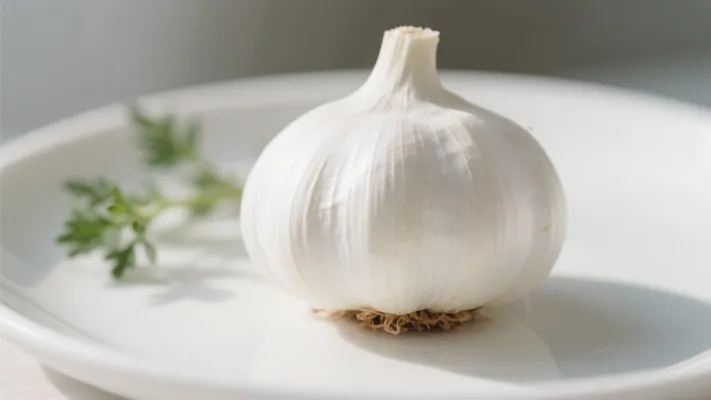
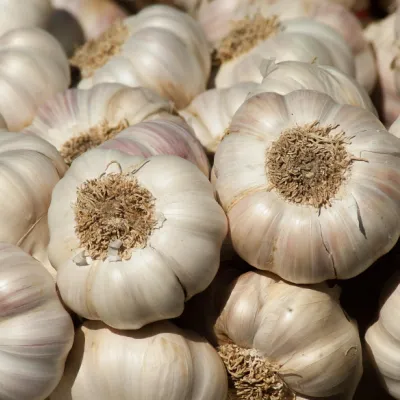
For over three decades, China has maintained its position as the world's leading garlic producer, contributing approximately 80% of the global supply. What truly distinguishes Chinese white garlic in international markets isn't just volume—it's the consistent quality that meets the rigorous A-grade standards demanded by discerning buyers worldwide. This excellence stems from a sophisticated integration of traditional agricultural wisdom and modern cultivation technology.
China's garlic cultivation heartlands—primarily in Shandong, Henan, and Jiangsu provinces—boast ideal growing conditions: fertile alluvial soils, optimal temperature ranges of 12-25°C during the growing season, and a unique diurnal temperature variation that enhances flavor development. These regions have perfected the art of garlic cultivation over centuries, creating a legacy of quality that modern science continues to enhance.
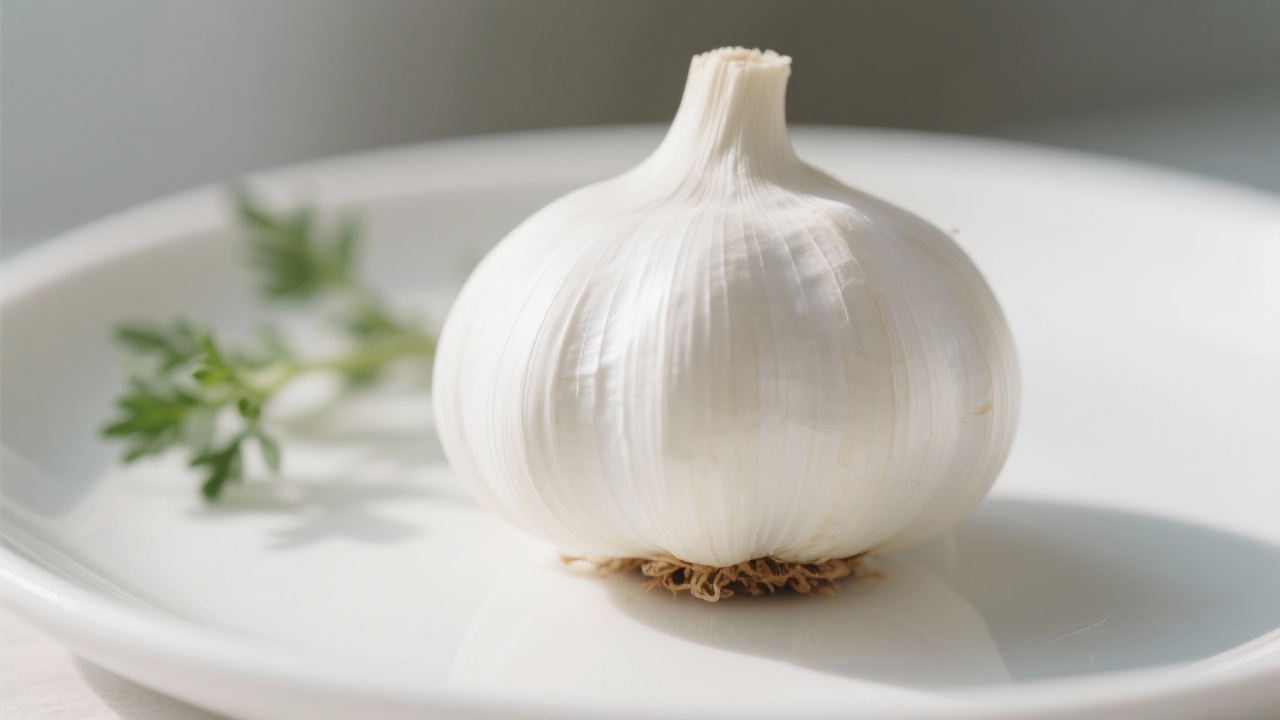
The journey to premium garlic begins beneath the surface. Chinese agricultural experts have developed a精密的 (jīngmì de - sophisticated) soil management protocol that significantly impacts bulb development:
This scientific approach to soil management has led to measurable improvements: garlic farmers implementing these techniques report an average yield increase of 18-22% while reducing fertilizer costs by approximately 15% through targeted application.
Water management represents another critical factor in garlic quality. Traditional flood irrigation methods have largely been replaced by modern systems that optimize water usage while minimizing disease risks:
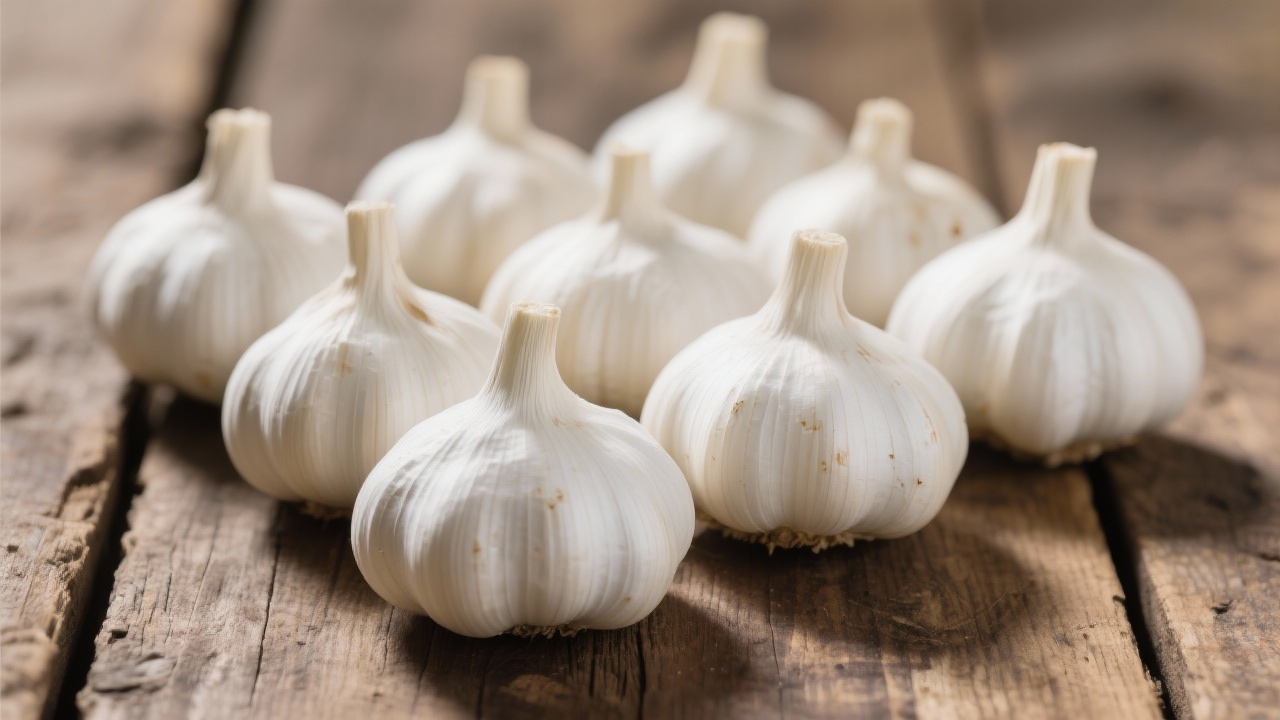
Drip irrigation systems, now used on over 75% of China's premium garlic fields, deliver water directly to the root zone, reducing water consumption by 35-40% compared to traditional methods. This targeted approach not only conserves water but also decreases leaf wetness, lowering fungal disease incidence by an impressive 45-55%.
Smart irrigation controllers, increasingly adopted in major production areas, utilize soil moisture sensors to maintain optimal soil moisture levels (typically 60-70% field capacity), resulting in more uniform bulb development and a 10-12% increase in marketable bulbs.
The journey to delivering premium garlic to global markets doesn't end at harvest. China's garlic industry has developed a sophisticated post-harvest handling system that ensures consistent quality and extends shelf life:
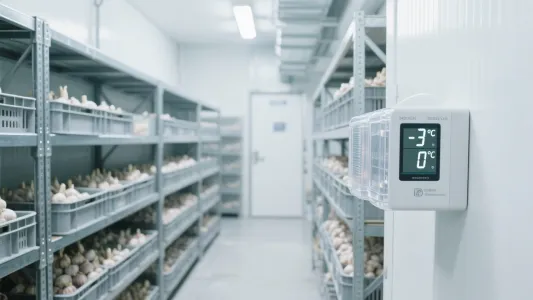
Immediately after harvest, garlic undergoes a rapid cooling process, bringing bulb temperature from field heat (25-30°C) down to 0-2°C within 24 hours. This critical step reduces respiration rate by 70-75% and extends shelf life to 8-10 months when stored in controlled atmosphere facilities with 2-4% oxygen and 5-7% carbon dioxide levels.
This attention to detail in post-harvest handling ensures that 亿商桥 can maintain a stable supply throughout the year, even during off-season periods, meeting the consistent demand of international buyers.
Despite ideal conditions, garlic cultivation faces challenges that Chinese agricultural experts have systematically addressed:
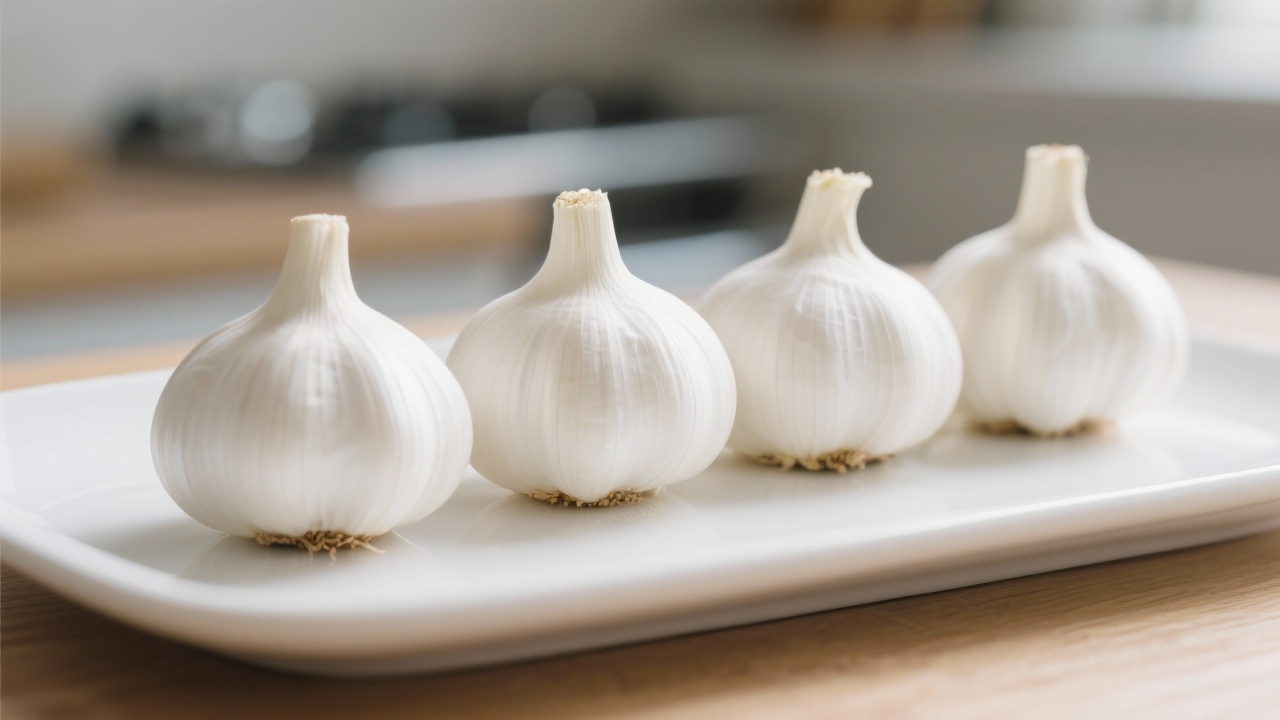
These technical innovations have positioned Chinese white garlic as a reliable, high-quality product in the global marketplace, meeting the stringent standards of food safety certifications such as GlobalGAP and EU regulations.
Discover how 亿商桥's scientifically optimized cultivation and year-round supply can enhance your product offerings and meet your customers' expectations for consistent quality.
Connect with Our Garlic Experts TodayAs global demand for high-quality agricultural products continues to rise, the question remains: How will your supply chain adapt to meet the increasing expectations for consistency, safety, and sustainability? The answer may lie in partnering with producers who have mastered the science of cultivation excellence.
 334
|
334
|
 drip irrigation for garlic
garlic irrigation management
water-saving agriculture
garlic yield and quality improvement
batch traceability system
drip irrigation for garlic
garlic irrigation management
water-saving agriculture
garlic yield and quality improvement
batch traceability system
 254
|
red garlic nutrition
red garlic health benefits
red garlic antioxidant properties
red garlic consumption tips
cardiovascular protection with red garlic
254
|
red garlic nutrition
red garlic health benefits
red garlic antioxidant properties
red garlic consumption tips
cardiovascular protection with red garlic
 280
|
garlic transportation preservation
mesh bag packaging
garlic mold prevention
agricultural product packaging design
cold chain logistics management
280
|
garlic transportation preservation
mesh bag packaging
garlic mold prevention
agricultural product packaging design
cold chain logistics management
 79
|
fresh garlic cold storage
garlic storage temperature control
garlic preservation method
constant temperature garlic storage
agricultural cold chain management
79
|
fresh garlic cold storage
garlic storage temperature control
garlic preservation method
constant temperature garlic storage
agricultural cold chain management
 209
|
red garlic buying guide
red garlic storage tips
red garlic quality identification
healthy food ingredients
garlic market trends
209
|
red garlic buying guide
red garlic storage tips
red garlic quality identification
healthy food ingredients
garlic market trends


.png?x-oss-process=image/resize,h_600,m_lfit/format,webp)






.png?x-oss-process=image/resize,h_200,m_lfit/format,webp)





 TikTok
 Facebook