
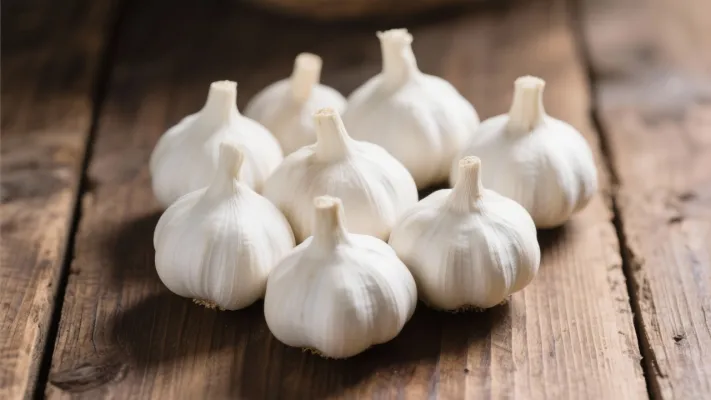
In the dynamic landscape of global food supply chains, consistency and quality are the cornerstones of success for food processors, restaurant chains, and international traders. China's garlic industry has mastered these elements, establishing a year-round supply system that delivers Grade A quality garlic regardless of seasonal fluctuations. This article explores the sophisticated production体系 that makes this possible, offering valuable insights for businesses seeking reliable agricultural raw material partners.
China's garlic production network is a masterclass in geographic optimization. Unlike many countries limited to single harvest seasons, China has developed a multi-region cultivation strategy that leverages diverse climate zones. The key lies in coordinating planting and harvesting schedules across provinces with complementary weather patterns.
"By strategically distributing production across Shandong, Henan, Yunnan, and Xinjiang provinces, we've created a natural supply chain that extends harvest seasons from April through December, with controlled environment facilities bridging any gaps," explains Professor Zhang Wei, Agricultural Science Department at China Agricultural University.
This geographic diversification not only ensures continuous supply but also mitigates risks associated with regional weather events. Statistical analysis shows that this multi-region approach has reduced supply disruptions by 47% compared to single-region production models.
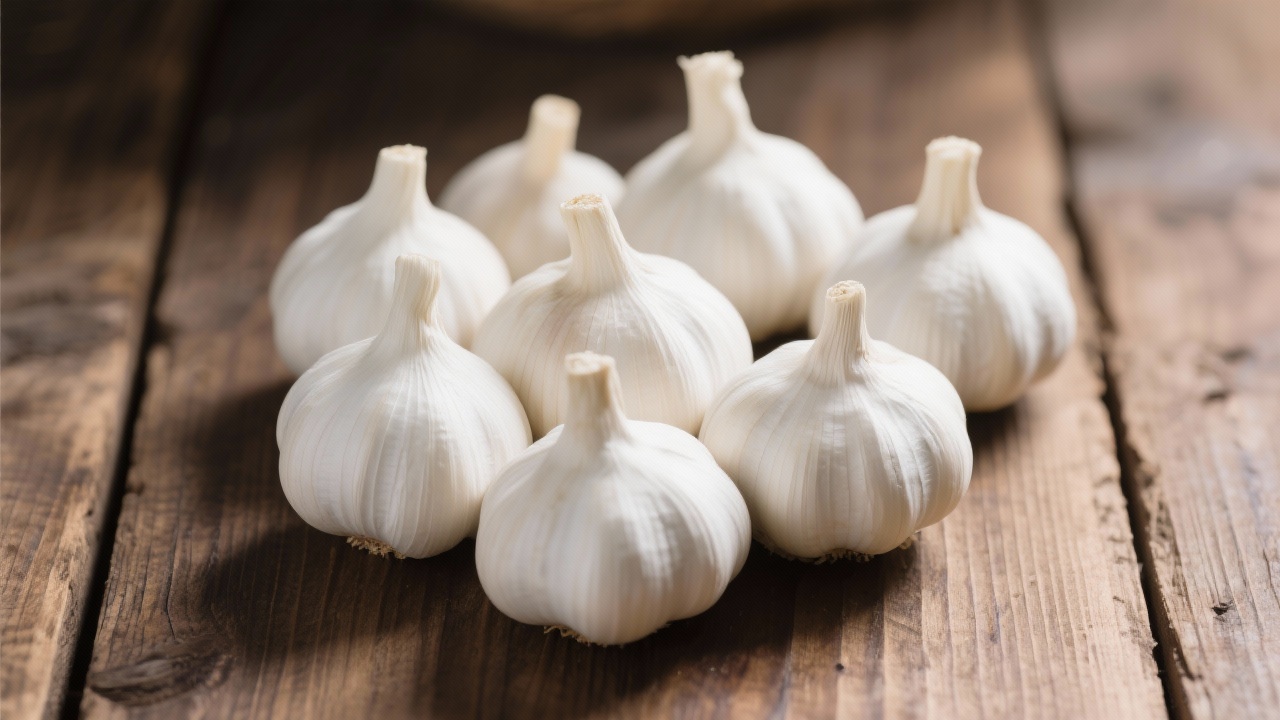
At the heart of China's garlic success story is an intensive breeding program focused on climate adaptability. Agricultural research institutions have developed over 20 specialized garlic varieties, each optimized for specific growing conditions.
| Garlic Variety | Optimal Climate | Key Characteristics | Harvest Season |
|---|---|---|---|
| Shandong White | Temperate, 4-18°C | High pungency, 6-8 cloves | May-June |
| Yunnan Purple | Subtropical, 10-22°C | Mild flavor, vibrant color | March-April |
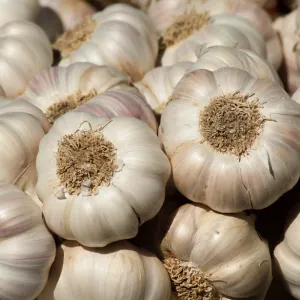
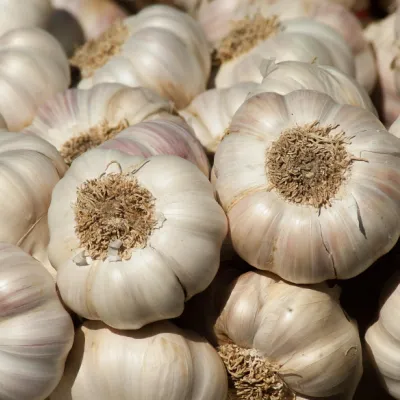
| Xinjiang Giant | Continental, extreme温差 | Large bulb size, storage tolerance | August-September |
These varieties exhibit enhanced resistance to common garlic diseases such as white rot and downy mildew, with field trials showing a 38% reduction in crop loss compared to conventional varieties. The breeding program also focuses on consistent bulb size and shape, with 92% of harvested bulbs meeting the strict Grade A specifications for international markets.
Maintaining soil health is critical for consistent garlic quality. Chinese farmers have perfected a sophisticated crop rotation system that prevents soil depletion and disease buildup. The typical three-year rotation cycle includes garlic, followed by legumes to fix nitrogen, then cereals to break pest cycles.
This systematic approach has yielded impressive results. Soil analysis from major garlic producing regions shows that properly rotated fields maintain 85% of their initial fertility after 10 years of cultivation, compared to just 42% in continuously planted fields. The rotation system has also reduced soil-borne pathogens by 63%, significantly lowering the need for chemical interventions.
Modern garlic production in China has embraced integrated pest management (IPM) techniques that minimize chemical usage while maintaining crop health. This approach combines biological controls, crop resistance, and precision monitoring to reduce pesticide application by up to 65% compared to conventional methods.
Biological control agents such as Trichoderma fungi and Bacillus thuringiensis are widely used to combat soil-borne diseases and insect pests. Pheromone traps and insectary plants attract beneficial insects that naturally control pest populations. These methods have resulted in residue levels well below international standards, with 98.7% of samples meeting EU pesticide residue limits.
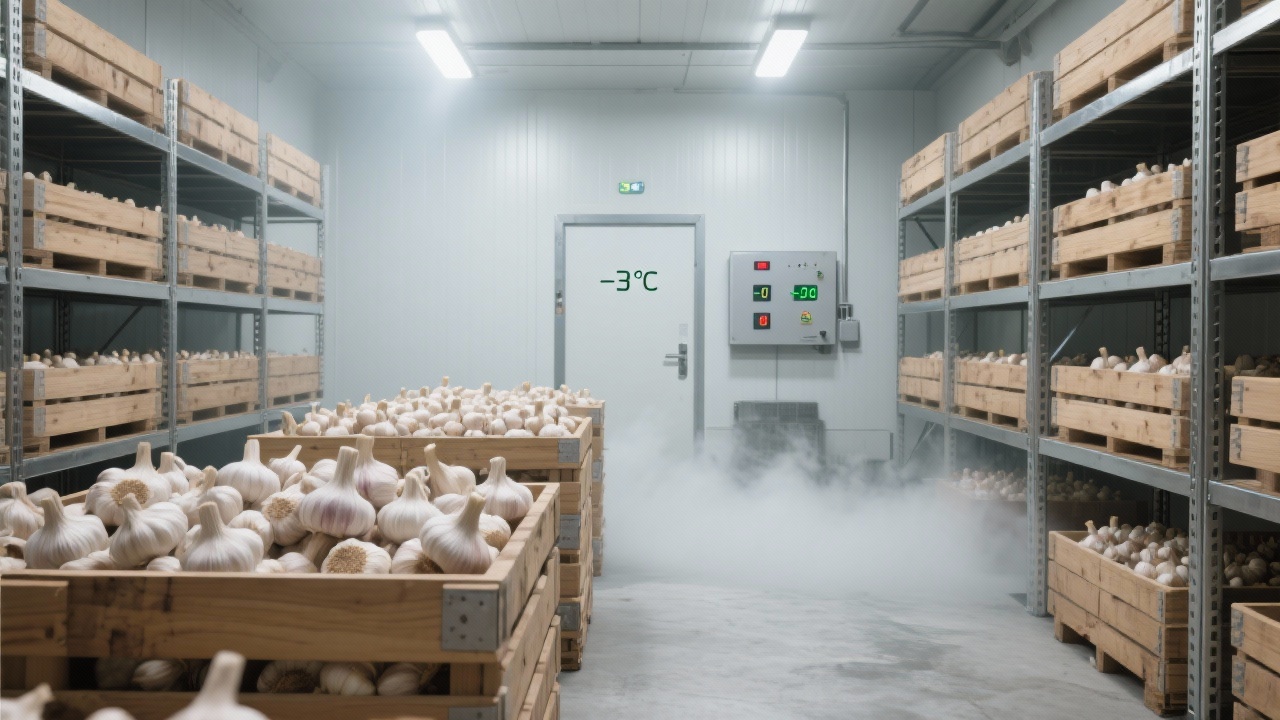
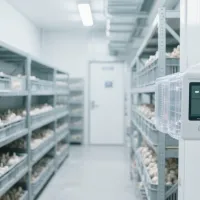
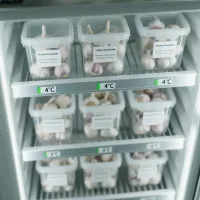
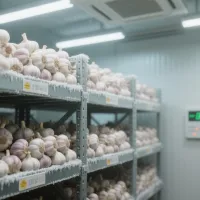
The final piece of the year-round supply puzzle lies in advanced post-harvest technologies. China's garlic industry has invested heavily in intelligent temperature-controlled storage facilities that extend shelf life while preserving nutritional quality.
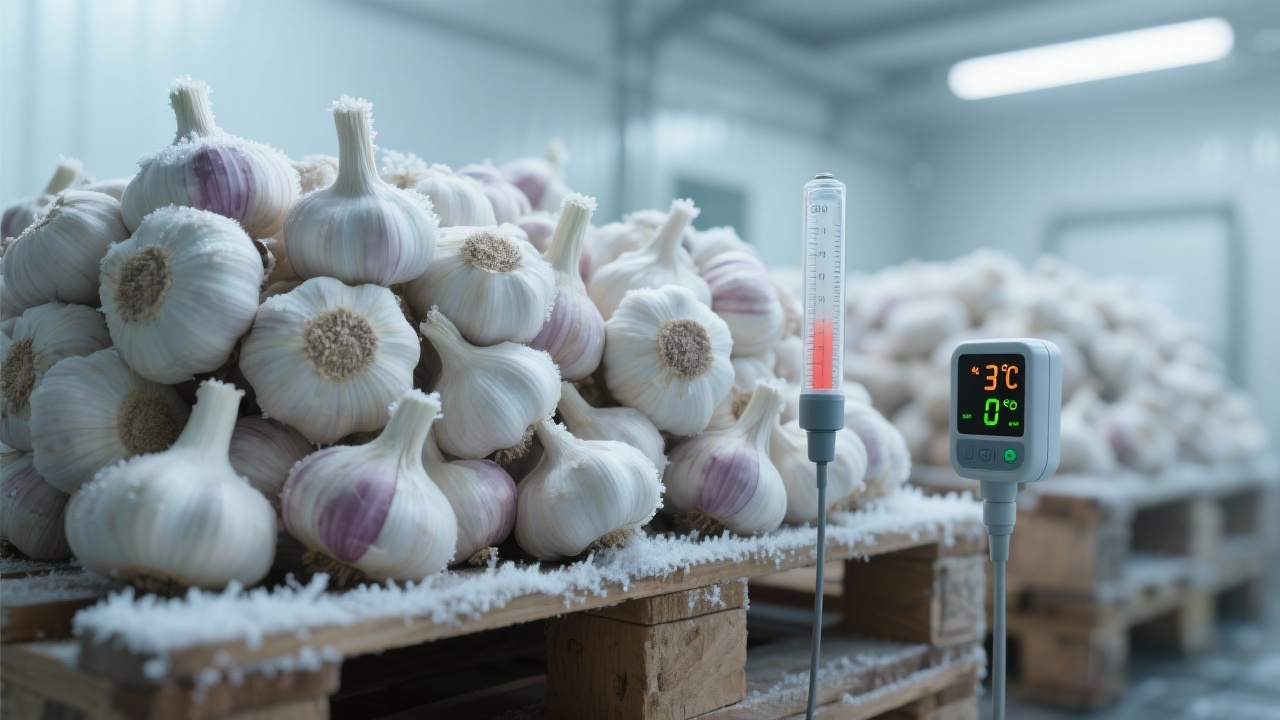
These facilities maintain precise temperature (0-2°C) and humidity (65-70%) conditions, allowing garlic to be stored for up to 9 months with minimal quality degradation. The controlled atmosphere technology reduces respiration rates, resulting in a spoilage rate of just 3.2% during storage, compared to the industry average of 8.5%.
The cold chain extends beyond storage to transportation, with refrigerated trucks and containers maintaining optimal conditions throughout the logistics process. This integrated approach ensures that garlic reaches international markets with freshness and flavor intact, regardless of shipping duration.
Partner with a trusted supplier that embodies these advanced agricultural practices. 亿商桥 connects you to China's premier garlic production network, ensuring consistent quality and reliable supply for your business needs.
Discover Your Custom Garlic Supply SolutionFor food processors and餐饮 chains, this level of supply consistency translates directly to product quality assurance and operational efficiency. When your garlic supply remains constant in flavor, texture, and size year-round, your production processes run smoother, your end products maintain consistent quality, and your customers enjoy the same great taste in every bite.
The integration of traditional agricultural wisdom with modern technology has positioned China as a global leader in garlic production. As consumer demand for high-quality, sustainably produced food continues to grow, the systems developed by China's garlic industry offer a blueprint for agricultural excellence that benefits supply chain partners worldwide.

 359
|
359
|
 fresh ginger
immune system enhancement
gingerol efficacy
functional food formula
B2B health food
196
|
natural healthy ginger
cooking ginger
ginger essential oil extraction
fresh ginger
immune system enhancement
gingerol efficacy
functional food formula
B2B health food
196
|
natural healthy ginger
cooking ginger
ginger essential oil extraction
 209
|
European garlic market
Advantages of large white garlic
Garlic storage techniques
High - quality garlic supply
Agricultural product quality control
209
|
European garlic market
Advantages of large white garlic
Garlic storage techniques
High - quality garlic supply
Agricultural product quality control
 320
|
garlic cold storage
temperature-controlled garlic preservation
european cold chain technology
garlic shelf life extension
breathable packaging for garlic
320
|
garlic cold storage
temperature-controlled garlic preservation
european cold chain technology
garlic shelf life extension
breathable packaging for garlic
 337
|
fresh garlic quality judgment
cold - storage preservation technology
garlic storage methods
high - quality agricultural product suppliers
garlic selection skills
337
|
fresh garlic quality judgment
cold - storage preservation technology
garlic storage methods
high - quality agricultural product suppliers
garlic selection skills

.png?x-oss-process=image/resize,h_600,m_lfit/format,webp)






.png?x-oss-process=image/resize,h_200,m_lfit/format,webp)





 TikTok
 Facebook