
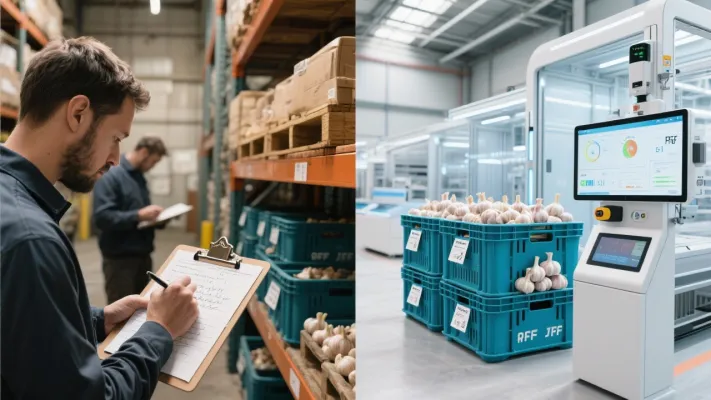
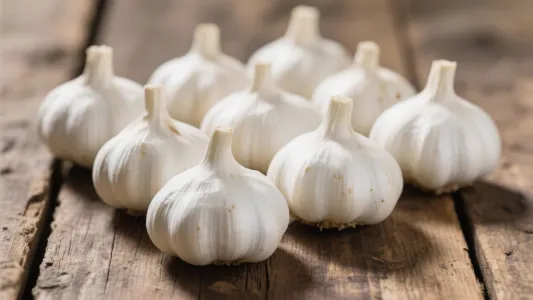
For global importers seeking consistent quality and reliable supply, understanding the agricultural standardization behind China's premium garlic production is essential. This comprehensive guide explores the meticulous processes that ensureA级 garlic reaches international markets at peak quality.
China's major garlic-producing regions, primarily in Shandong, Henan, and Jiangsu provinces, benefit from ideal growing conditions—temperate climates with distinct seasons and well-drained loamy soil rich in organic matter. According to Professor Zhang Wei from China Agricultural University, "The unique combination of soil composition (pH 6.0-7.0) and a 220-240 day growing season creates the perfect environment for developing garlic's characteristic flavor and bulb density."
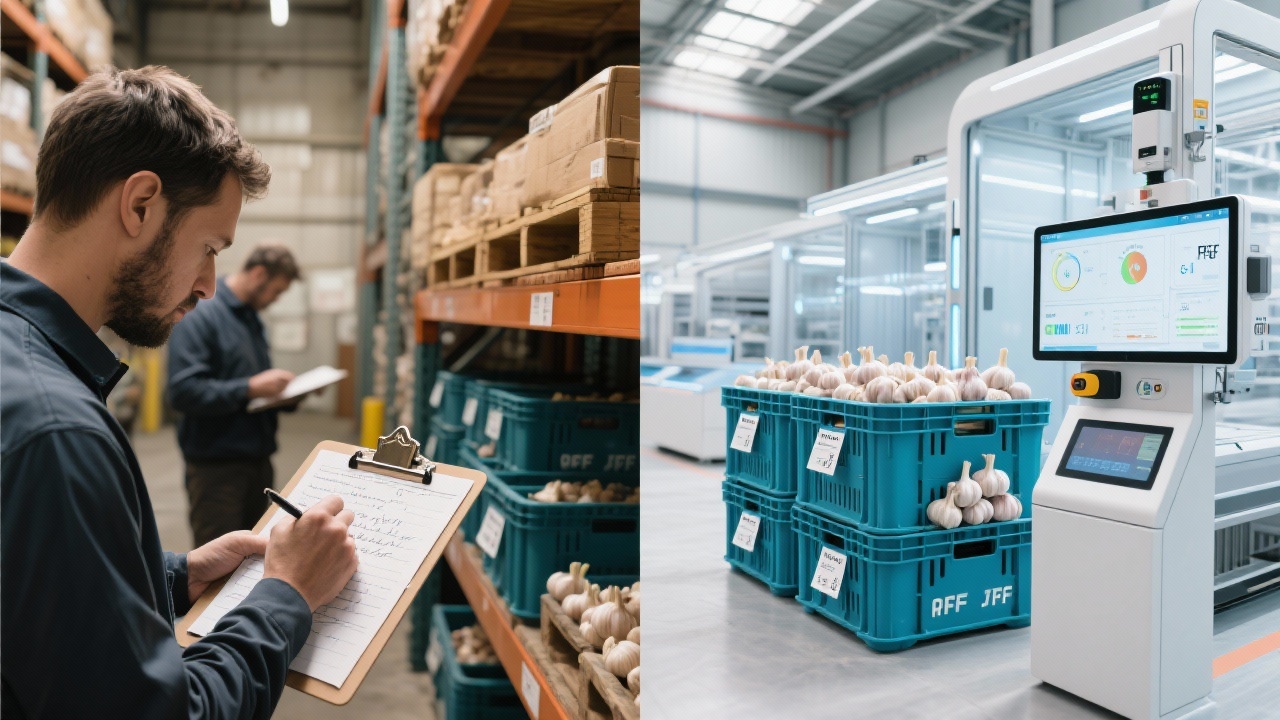
Modern garlic farms in China have adopted sophisticated irrigation systems that optimize water usage while ensuring consistent growth. Drip irrigation, now used on over 75% of commercial garlic fields, delivers water directly to the root zone, reducing water consumption by 30-40% compared to traditional methods. Smart irrigation controllers adjust watering schedules based on real-time soil moisture data, ensuring optimal hydration throughout the growth cycle.
China's garlic industry has implemented comprehensive IPM (Integrated Pest Management) programs that minimize chemical usage while maintaining crop health. Dr. Li Mei, entomologist at the National Agricultural Technology Extension Center, explains: "Our integrated approach combines biological controls, crop rotation, and targeted pesticide applications only when necessary, resulting in residue levels well below international standards—typically less than 0.01mg/kg for key pesticides."
Over 90% of commercial garlic production now utilizes specialized harvesting machinery that carefully lifts bulbs from the soil, removes excess foliage, and sorts bulbs by size—all in a single pass. This mechanization has increased harvesting efficiency by 400% while reducing bulb damage to less than 3%, a critical factor in maintaining post-harvest quality.
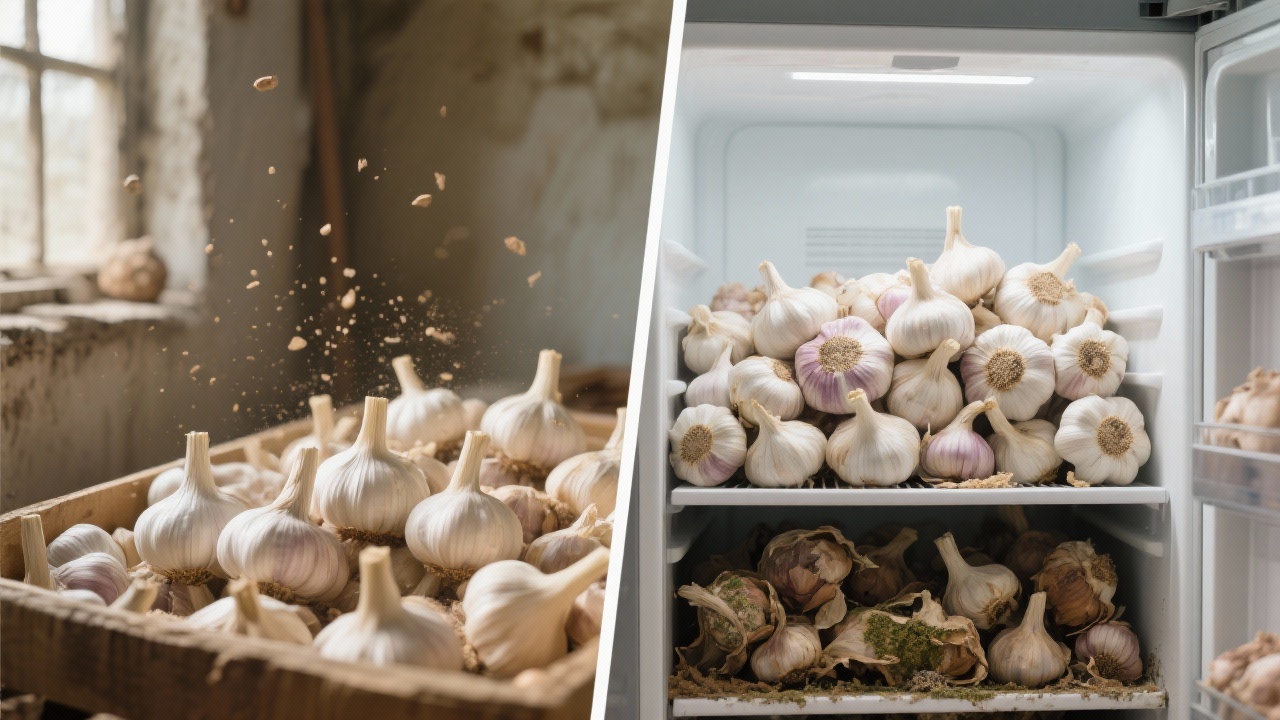
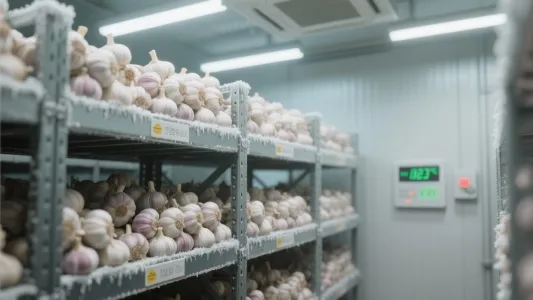
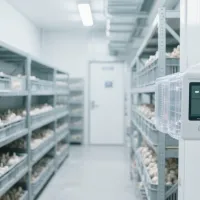
The journey from field to market requires meticulous temperature control to preserve garlic quality. Within 2 hours of harvest, garlic bulbs undergo a rapid pre-cooling process that lowers their core temperature from ambient (25-30°C) to 0-2°C. This crucial step halts metabolic activity and extends shelf life by up to 8 months when stored in controlled atmosphere facilities.
These storage conditions ensure that garlic retains its flavor, texture, and nutritional value during transportation to global markets. According to industry data, properly handled garlic maintains over 90% of its initial quality after 6 months in cold storage, significantly reducing waste and ensuring consistent supply year-round.
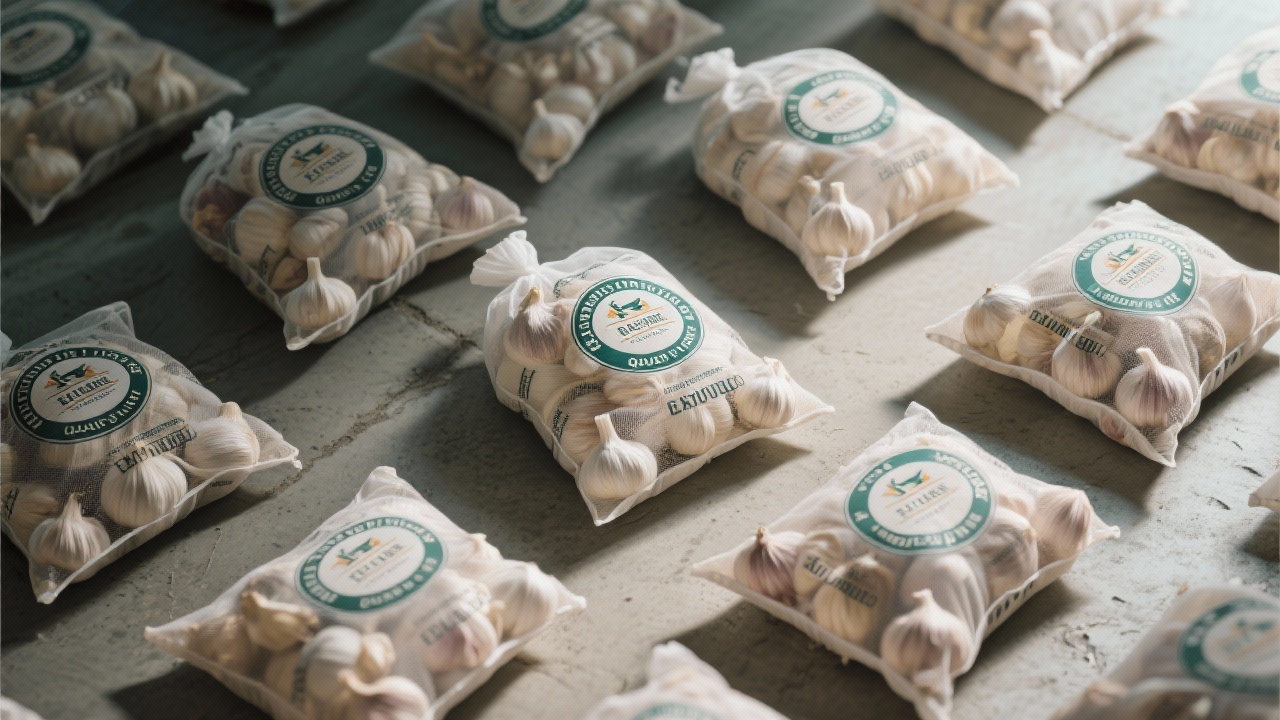
Modern traceability systems allow buyers to track garlic from seed to shelf, with QR codes linking to detailed information about growing conditions, harvest dates, storage history, and quality testing results. This transparency has become increasingly important as international buyers seek assurance regarding food safety and sustainability practices.
For importers seeking consistent quality, reliable supply, and complete transparency in garlic sourcing, choosing the right partner makes all the difference.
Choose Yishangqiao for Stable A-Grade Garlic SupplyExperience the difference of working with China's premier garlic export specialists committed to agricultural excellence and customer satisfaction.
As global demand for high-quality garlic continues to grow, China's commitment to agricultural standardization ensures it remains a leading supplier to international markets. By implementing rigorous quality control measures at every stage—from soil preparation to cold chain management—Chinese garlic producers are setting new standards for consistency and reliability in global agricultural trade.

 359
|
359
|
 fresh ginger
immune system enhancement
gingerol efficacy
functional food formula
B2B health food
fresh ginger
immune system enhancement
gingerol efficacy
functional food formula
B2B health food
 206
|
fresh garlic selection
garlic storage techniques
mesh bag packaging for garlic
how to store garlic long term
garlic nutrition preservation
261
|
fresh ginger benefits
gingerol and digestion
functional food ingredients
natural immune booster
export grade ginger
206
|
fresh garlic selection
garlic storage techniques
mesh bag packaging for garlic
how to store garlic long term
garlic nutrition preservation
261
|
fresh ginger benefits
gingerol and digestion
functional food ingredients
natural immune booster
export grade ginger
 466
|
red garlic cultivation
A-grade red garlic production
soil pH management
fertilization techniques
red garlic quality control
466
|
red garlic cultivation
A-grade red garlic production
soil pH management
fertilization techniques
red garlic quality control
 412
|
Garlic preservation technology
Professional cold storage
Exported garlic quality control
Low - temperature refrigeration
-3°C to 0°C storage
412
|
Garlic preservation technology
Professional cold storage
Exported garlic quality control
Low - temperature refrigeration
-3°C to 0°C storage



.png?x-oss-process=image/resize,h_600,m_lfit/format,webp)







.png?x-oss-process=image/resize,h_200,m_lfit/format,webp)





 TikTok
 Facebook