
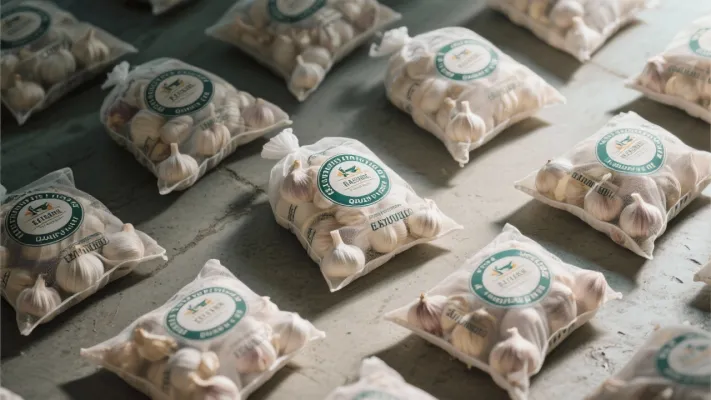
China's garlic industry has undergone a remarkable transformation over the past decade, evolving from traditional farming practices to a technologically advanced sector that sets global standards for quality and reliability. As the world's largest producer, accounting for over 80% of global garlic output, China's ability to maintain consistent supply year-round has become a cornerstone of international food supply chains. This comprehensive analysis explores the agricultural technologies and management systems that enable this feat, focusing on climate-adaptive breeding, intelligent storage solutions, and eco-friendly pest control methods that ensure A-grade quality from farm to table.
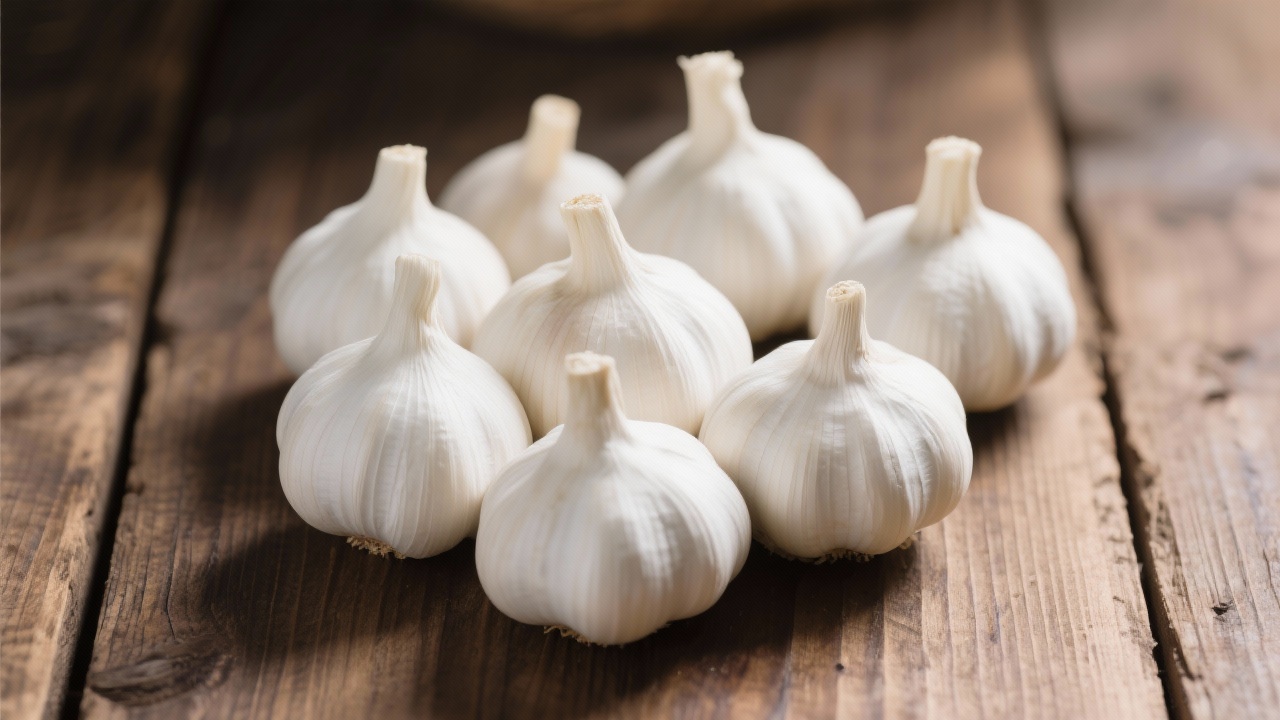
The foundation of China's garlic excellence begins with meticulous seed selection strategies tailored to diverse climatic conditions across major production regions. In Shandong province, which contributes approximately 60% of China's total garlic production, agricultural scientists have developed hybrid varieties that can withstand temperature fluctuations from -5°C in winter to 38°C in summer.
These climate-resilient varieties not only ensure stable yields—averaging 18-22 tons per hectare compared to the global average of 12 tons—but also enhance key quality parameters. Laboratory tests show these selected varieties contain 12-15% allicin content, the compound responsible for garlic's distinctive flavor and health benefits, compared to 8-10% in conventional varieties.
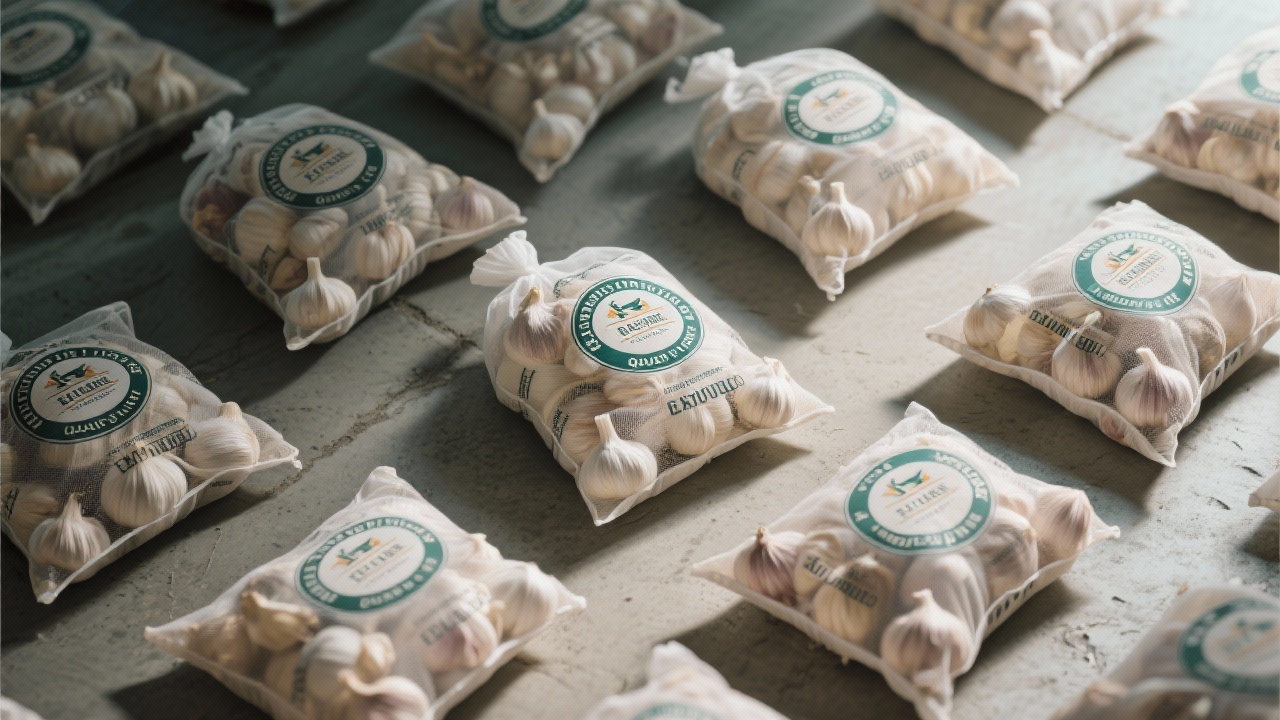
Innovative crop rotation systems have been instrumental in maintaining soil fertility and preventing disease buildup in China's major garlic-growing regions. The "garlic-wheat-soybean" three-year rotation cycle, widely adopted in Hebei and Henan provinces, has reduced soil-borne diseases by 47% while increasing organic matter content by 1.2% annually.
This systematic approach not only improves land productivity but also contributes to environmental sustainability. According to the China Agricultural University's 2023 report, farms implementing these rotation systems reduced chemical fertilizer usage by 23% and pesticide application by 31% compared to continuous garlic monoculture.
China's garlic industry has embraced integrated pest management (IPM) techniques that minimize chemical intervention while ensuring crop health. The adoption of pheromone traps, biological control agents, and resistant varieties has led to a 65% reduction in synthetic pesticide use in leading production areas.
One notable innovation is the widespread use of Trichoderma harzianum, a beneficial fungus that naturally suppresses soil pathogens. Field trials conducted by the Chinese Academy of Agricultural Sciences demonstrated that this biological control method reduced white rot incidence by 72% while improving yield by 15% compared to chemical fungicides.
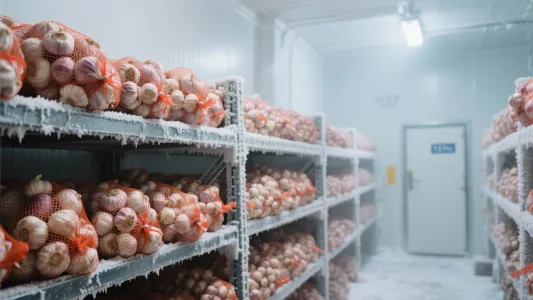
The ability to maintain garlic quality year-round represents one of China's most significant technological achievements in this sector. Advanced controlled atmosphere (CA) storage facilities, equipped with precision temperature and humidity control systems, can preserve garlic quality for up to 10-12 months with minimal quality degradation.
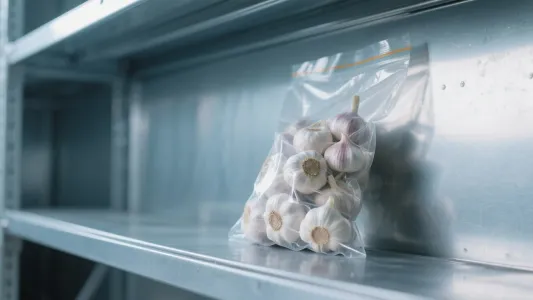
These state-of-the-art storage facilities maintain temperatures at 0-2°C with 65-70% relative humidity and carefully controlled oxygen (2-3%) and carbon dioxide (5-6%) levels. This technology reduces weight loss to less than 3% over six months of storage and maintains firmness values above 8.5 N, ensuring the product meets the stringent standards of international buyers.
| Storage Technology | Storage Duration | Weight Loss | Quality Retention |
|---|---|---|---|
| Traditional Storage | 3-4 months | 15-20% | Moderate |
| Refrigerated Storage | 6-8 months | 8-10% | Good |
| Controlled Atmosphere | 10-12 months | 2-3% | Excellent |
Digital transformation has revolutionized garlic production and distribution in China. From farm to fork, blockchain technology now enables complete traceability, allowing buyers to verify the origin, cultivation practices, and quality parameters of each garlic shipment.
Leading producers have implemented IoT sensors throughout the production process, collecting real-time data on soil conditions, irrigation, and storage environments. This data-driven approach has resulted in a 28% reduction in production variability and a 19% improvement in compliance with international quality standards, according to a 2023 industry report.
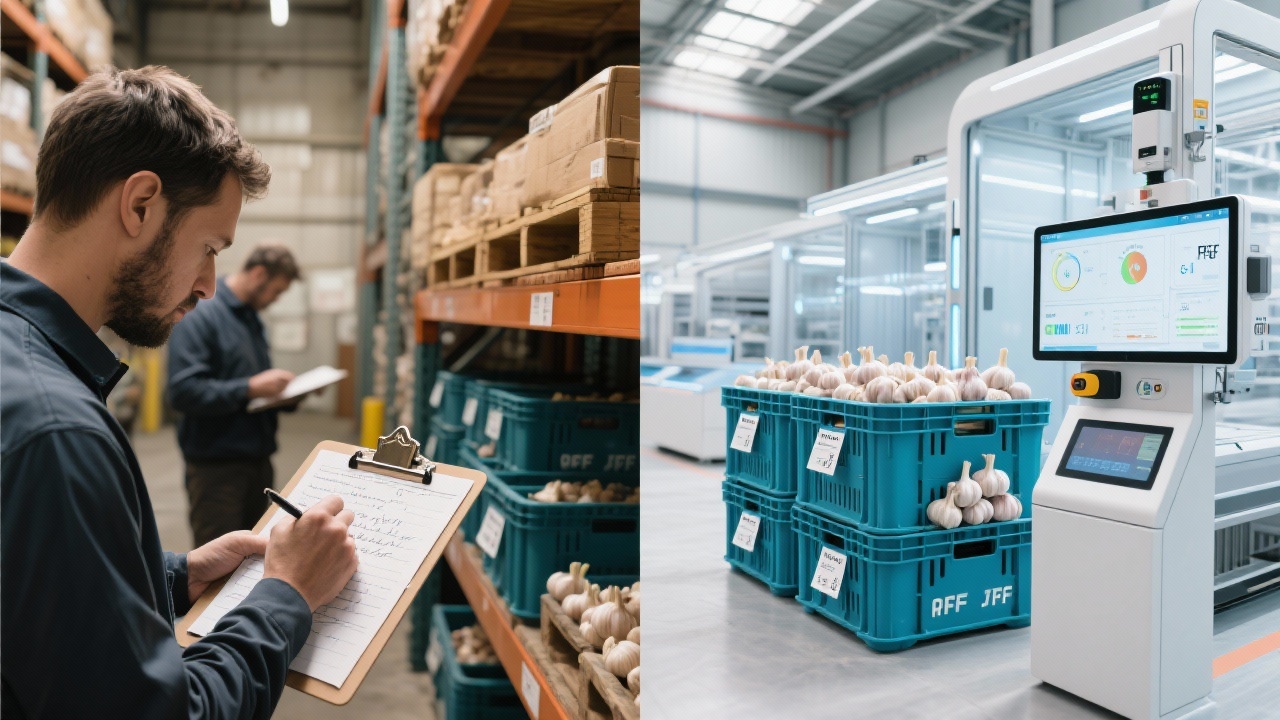
For food processors, foodservice chains, and international traders seeking reliable, high-quality garlic supplies, understanding these technological advancements is only the first step. Partnering with a trusted supply chain manager that integrates these innovations into every aspect of operations ensures consistent access to premium garlic year-round.
亿商桥 (Yishangqiao) has established itself as a leader in connecting global buyers with China's most advanced garlic producers. By leveraging these agricultural technologies and implementing rigorous quality control protocols, 亿商桥 delivers garlic products that consistently meet the demanding standards of international markets, from Europe to North America and beyond.
Discover Your Premium Garlic Supply SolutionThe integration of traditional agricultural knowledge with cutting-edge technology has positioned China's garlic industry at the forefront of global agricultural innovation. As consumer demand for high-quality, sustainably produced food continues to grow, the sector's commitment to technological advancement ensures it will remain a vital component of international food supply chains for years to come.
For industry professionals seeking to optimize their supply chains with reliable, high-quality garlic products, engaging with suppliers who have embraced these technological innovations is essential. The combination of climate-resilient varieties, eco-friendly production methods, intelligent storage solutions, and digital traceability systems creates a supply chain that delivers consistent quality while minimizing environmental impact.
 306
|
306
|
 garlic cold chain
10kg mesh bag packaging
cold storage efficiency
food supply chain management
ingredient quality preservation
garlic cold chain
10kg mesh bag packaging
cold storage efficiency
food supply chain management
ingredient quality preservation
 320
|
10kg mesh bag packaging
cold chain warehousing
garlic transportation efficiency
humidity control in logistics
cross-border food shipping optimization
320
|
10kg mesh bag packaging
cold chain warehousing
garlic transportation efficiency
humidity control in logistics
cross-border food shipping optimization
 385
|
European white garlic market
Grade A white garlic sales strategy
Retailer customer segmentation
Foodservice industry demand
White garlic packaging and storage
385
|
European white garlic market
Grade A white garlic sales strategy
Retailer customer segmentation
Foodservice industry demand
White garlic packaging and storage
 242
|
Garlic selection techniques
Garlic storage methods
Fresh garlic preservation
Advantages of mesh bag packaging
Agricultural product export standards
242
|
Garlic selection techniques
Garlic storage methods
Fresh garlic preservation
Advantages of mesh bag packaging
Agricultural product export standards
 404
|
garlic preservation technology
low-temperature garlic storage
mesh bag packaging benefits
cold chain garlic management
European garlic market demands
404
|
garlic preservation technology
low-temperature garlic storage
mesh bag packaging benefits
cold chain garlic management
European garlic market demands


.png?x-oss-process=image/resize,h_600,m_lfit/format,webp)








.png?x-oss-process=image/resize,h_200,m_lfit/format,webp)





 TikTok
 Facebook