
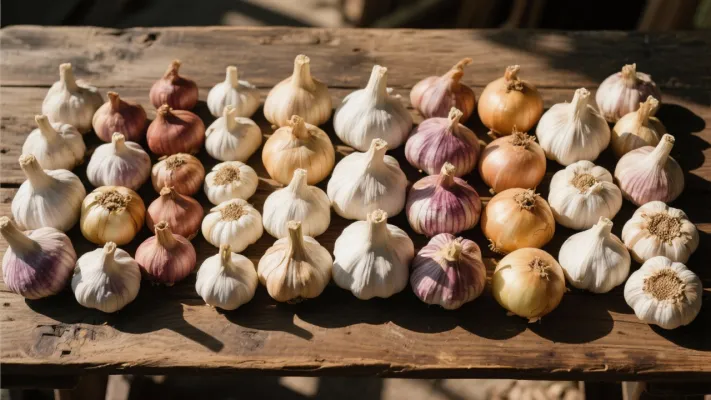
Garlic, a staple ingredient in kitchens worldwide, comes in various varieties, each with its unique flavor profile and culinary applications. In this article, we will explore the different types of garlic, including pure - white, large - white, red, and purple garlic, and how they can be used to enhance the flavors of international cuisines.
There are four main types of garlic commonly used in international cooking: pure - white, large - white, red, and purple garlic. Pure - white garlic is known for its mild and delicate flavor, making it suitable for dishes where a subtle garlic note is desired. Large - white garlic has a more pungent and robust flavor, often used in traditional Mediterranean and European cuisines. Red and purple garlic, on the other hand, have a slightly sweet and complex flavor, which can add depth to a wide range of dishes.
| Garlic Variety | Flavor Profile | Common Cuisines |
|---|---|---|
| Pure - white Garlic | Mild and delicate | Asian light - flavored dishes |
| Large - white Garlic | Pungent and robust | European and Mediterranean |
| Red Garlic | Sweet and complex | American and South American |
| Purple Garlic | Sweet and complex | Some Asian and European fusion |
Let's take a closer look at how these garlic varieties are used in different international cuisines. In Asian cuisine, pure - white garlic is often used in stir - fries, soups, and dipping sauces. Its mild flavor won't overpower other ingredients. For example, in a classic Thai chicken stir - fry, pure - white garlic adds a gentle aroma without overwhelming the fresh herbs and spices.
Large - white garlic is a key ingredient in European dishes such as Italian pasta sauces and French garlic bread. Its strong flavor can stand up to rich and hearty ingredients. In a traditional Italian marinara sauce, large - white garlic is sautéed to release its pungency, which forms the base of the sauce.
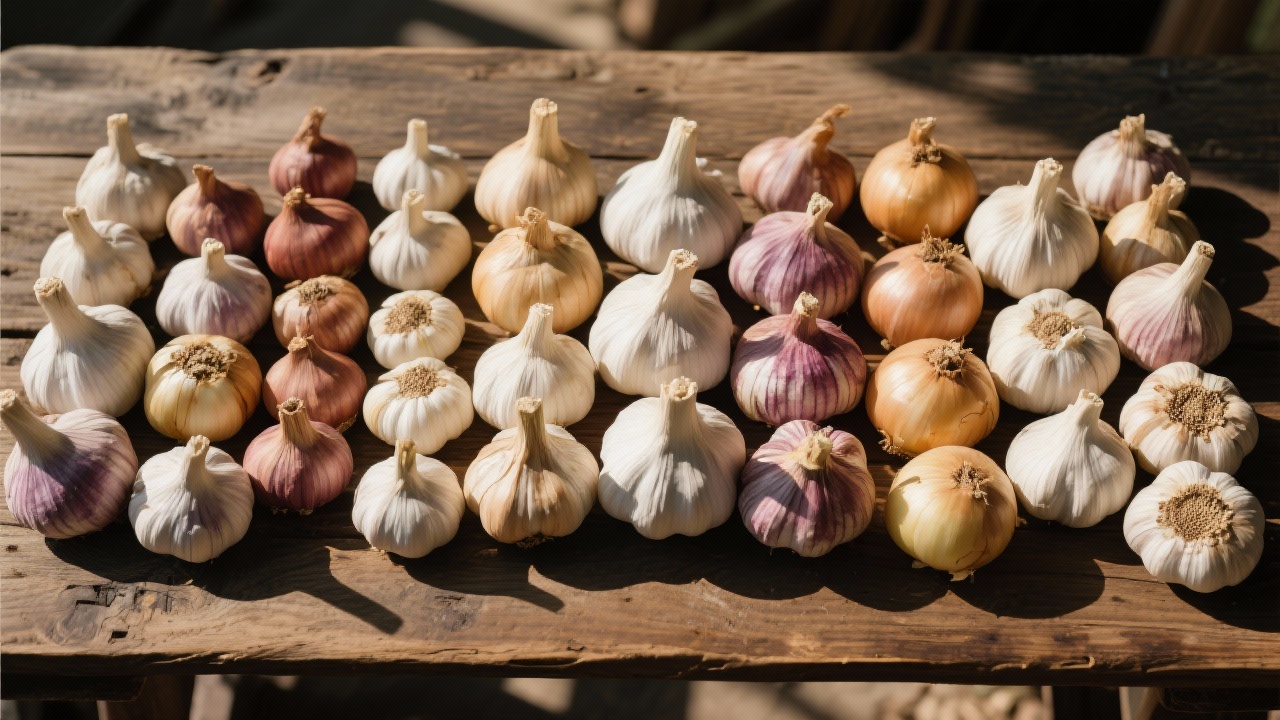
Red and purple garlic are popular in American and South American cuisines. They can be used in barbecue rubs, salsas, and stews. For instance, in a Mexican salsa, red garlic adds a sweet and spicy undertone that complements the tomatoes and chilies.
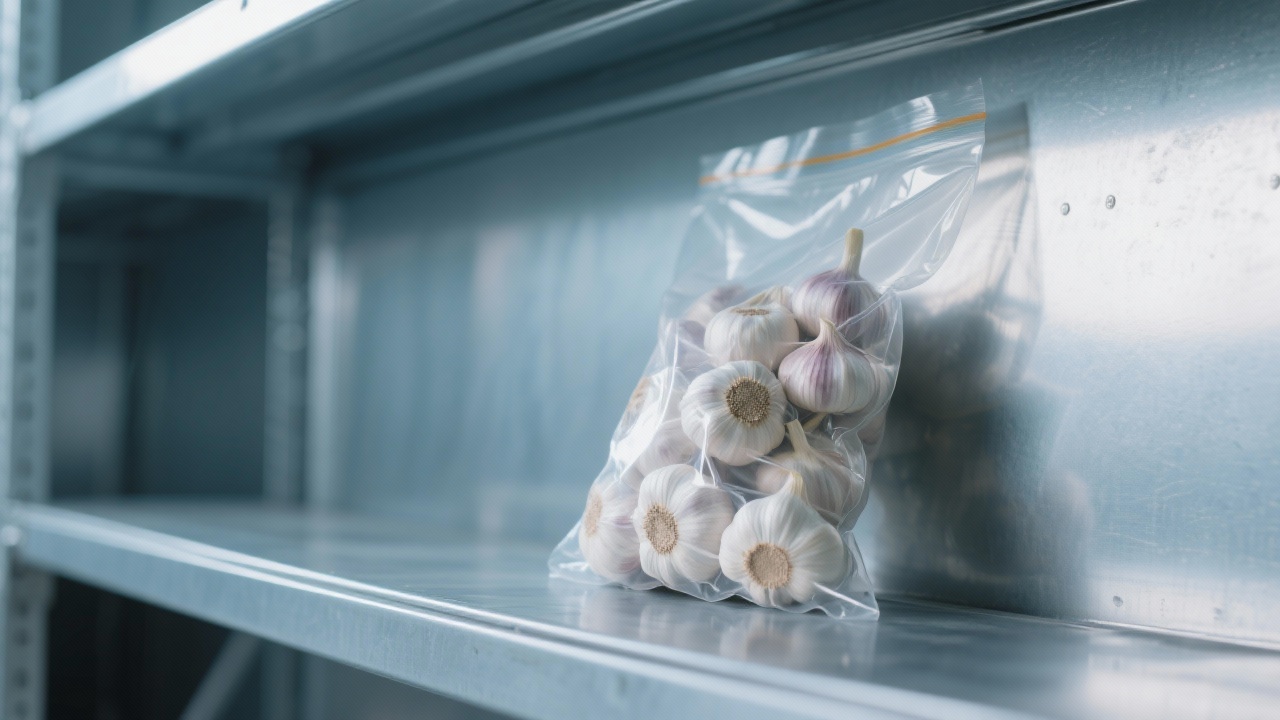
Proper storage is crucial to maintain the freshness and flavor of garlic. Garlic should be stored in a cool, dry, and well - ventilated place. It's best to keep it out of direct sunlight. When using garlic, it's recommended to crush or mince it just before adding it to the dish to preserve its flavor.
Yishangqiao uses a professional 10 - kg mesh bag packaging technology. This packaging not only ensures the freshness of the garlic but also provides great convenience for transportation. The mesh design allows for proper air circulation, preventing the garlic from spoiling. It also makes it easier to handle and store in large - scale kitchens or for food suppliers.
Q: Can I substitute one type of garlic for another in a recipe?
A: In most cases, you can substitute different types of garlic, but the flavor of the dish may vary. If a recipe calls for large - white garlic and you only have pure - white garlic, the dish will have a milder flavor. It's best to choose the garlic variety according to the desired flavor intensity.
Q: How long can garlic stored in a 10 - kg mesh bag last?
A: When stored in a cool and dry place, garlic in a 10 - kg mesh bag can last for several months. However, it's important to check regularly for any signs of spoilage.
If you're a chef, a food industry professional, or a passionate home cook looking to elevate your dishes with high - quality garlic, click here to learn more about our professional garlic supply solutions.
.png?x-oss-process=image/resize,h_600,m_lfit/format,webp)




.png?x-oss-process=image/resize,h_200,m_lfit/format,webp)





 TikTok
 Facebook