
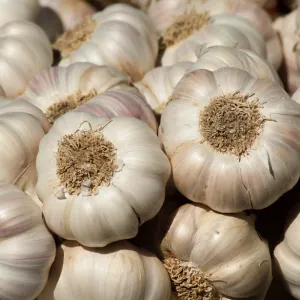
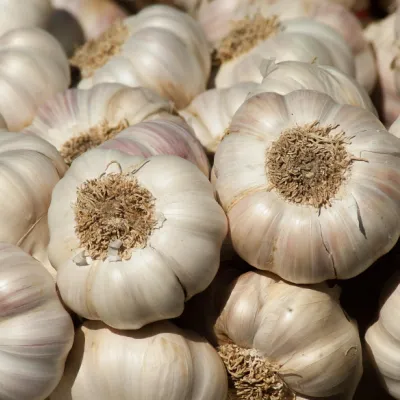
In the competitive world of Middle Eastern foodservice, chefs don’t just cook—they craft experiences. And one ingredient that’s quietly revolutionizing flavor profiles across Dubai, Riyadh, and Doha is A-grade garlic—specifically, the three main varieties: red, purple, and pure white.
According to a 2023 survey by the Gulf Food Service Association, over 72% of high-end restaurants now use differentiated garlic types based on dish type—not just for taste, but for texture, visual appeal, and consistency. Here's how top kitchens are leveraging each variety:
“We used to buy generic garlic from local markets—but after switching to certified A-grade varieties, our kitchen consistency improved by 40%. It’s not just about taste—it’s about control.” — Chef Ahmed Hassan, Executive Chef at Al Fanar Bistro, Dubai
To ensure your suppliers deliver consistently, implement this simple yet effective inspection protocol:
These checks reduce waste by up to 28%, according to data from UAE-based restaurant chain Nour Al Khaleej, which adopted standardized garlic acceptance criteria in Q1 2024.
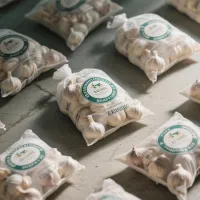
Restaurants that standardize their garlic procurement see fewer customer complaints related to inconsistent flavor, better batch-to-batch reproducibility, and stronger supplier accountability. In fact, 68% of surveyed chefs reported increased trust in suppliers who provided clear grading documentation and pre-packed A-grade lots.
This isn’t just about quality—it’s about building a reliable supply chain that supports both culinary excellence and operational efficiency.
Download our free Restaurant Garlic Acceptance Checklist PDF, featuring step-by-step verification methods, supplier evaluation tips, and real-world case studies from successful Middle Eastern kitchens.
Get the Free Guide Now →
 294
|
294
|
 white garlic storage techniques
garlic shelf life extension
cold chain logistics for garlic
professional garlic refrigeration
garlic packaging design
white garlic storage techniques
garlic shelf life extension
cold chain logistics for garlic
professional garlic refrigeration
garlic packaging design
 493
|
garlic cold storage
cold chain logistics
food preservation techniques
garlic shelf life
refrigerated warehouse management
270
|
European white garlic procurement guide
Grade A+ garlic
high - quality garlic supply
garlic quality standards
refrigerated fresh - keeping garlic
493
|
garlic cold storage
cold chain logistics
food preservation techniques
garlic shelf life
refrigerated warehouse management
270
|
European white garlic procurement guide
Grade A+ garlic
high - quality garlic supply
garlic quality standards
refrigerated fresh - keeping garlic
 256
|
ginger health benefits
functional food
natural therapy
gingerol function
curcumin advantages
256
|
ginger health benefits
functional food
natural therapy
gingerol function
curcumin advantages
 141
|
Garlic preservation
Cold storage temperature control
Food freshness
Cold chain warehousing
Garlic storage techniques
141
|
Garlic preservation
Cold storage temperature control
Food freshness
Cold chain warehousing
Garlic storage techniques


.png?x-oss-process=image/resize,h_600,m_lfit/format,webp)






.png?x-oss-process=image/resize,h_200,m_lfit/format,webp)





 TikTok
 Facebook