

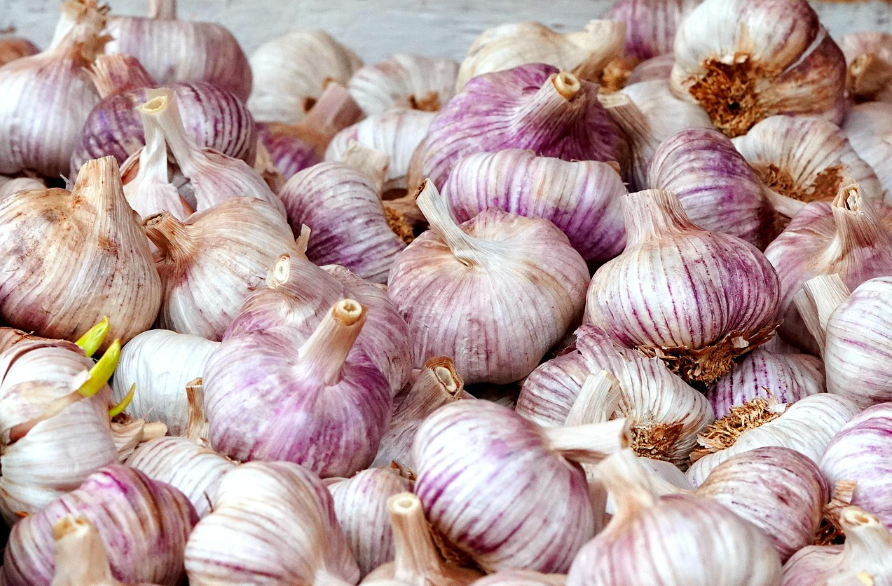
Garlic is a staple ingredient in European cuisine, with different varieties catering to diverse consumer preferences. When targeting the European market, it's crucial to understand the characteristics and application scenarios of four major garlic types: pure - white garlic, large - white garlic, red garlic, and purple garlic.
From a taste perspective, pure - white garlic has a mild and delicate flavor, making it ideal for dishes where a subtle garlic note is desired, such as in some light European salads. Large - white garlic offers a more robust and pungent taste, suitable for traditional European stews and roasts. Red garlic and purple garlic have a unique, slightly sweet undertone, which is popular in the Mediterranean region and is often used in pasta sauces and pizza toppings.
In terms of market demand, the European food service industry values the versatility of these garlic varieties. For example, in high - end restaurants, chefs may prefer the more refined pure - white garlic for its aesthetic appeal and mild flavor. Retailers, on the other hand, look for large - white garlic due to its long - standing popularity among consumers. The food processing industry also has specific requirements, often favoring red and purple garlic for their unique color and flavor in processed products like garlic powder and paste.
Maintaining the freshness of garlic during storage is key to ensuring a stable supply in the European market. Scientific research has shown that the optimal temperature range for storing garlic is between - 3°C and 0°C. At this temperature, the metabolic rate of garlic is significantly reduced, which helps to preserve its flavor and nutritional value.
Why is this temperature range so important? At temperatures above 0°C, the garlic may start to sprout, which not only consumes nutrients but also affects its appearance and shelf - life. Temperatures below - 3°C can cause the garlic to freeze, leading to cell damage and a loss of quality. A temperature control graph (as shown below) can clearly illustrate the relationship between temperature and garlic quality.
In addition to temperature, proper packaging is also essential. Using a 10 - kg mesh bag for ventilation is a proven method. This type of packaging allows air to circulate freely around the garlic, reducing the risk of mold growth and moisture loss. By minimizing these factors, the shelf - life of garlic can be extended by up to 3 - 6 months, depending on the initial quality of the garlic and storage conditions.
To ensure a consistent supply of high - quality garlic to the European market throughout the year, an advanced planting management system is in place. The standardized planting process starts from seed selection, where only the healthiest and most disease - resistant garlic seeds are chosen. During the growth period, strict quality control measures are implemented, including regular soil testing, precise fertilization, and integrated pest management.
The supply chain also demonstrates strong resilience. With a well - established logistics network and cold - chain transportation system, the garlic can be delivered to European ports in a timely manner, maintaining its freshness and quality. This reliability gives European buyers confidence in long - term cooperation.
Let's look at a real - world case. A European importer who sourced garlic from our supply chain reported a significant reduction in product returns. By following our recommended storage and packaging methods, they were able to reduce the spoilage rate from 15% to less than 5%, which not only saved costs but also improved customer satisfaction.
“The key to successful garlic export to Europe lies in a combination of proper variety selection, scientific storage, and a reliable supply chain,” says a leading industry expert. “By focusing on these aspects, exporters can build a sustainable and profitable business in the European market.”
So, which type of garlic do you prefer? Leave a message below and share your thoughts! And if you want to learn more about garlic storage and supply chain management, click here to get the complete fresh - keeping operation manual.
.png?x-oss-process=image/resize,h_600,m_lfit/format,webp)


.png?x-oss-process=image/resize,h_200,m_lfit/format,webp)





 TikTok
 Facebook