
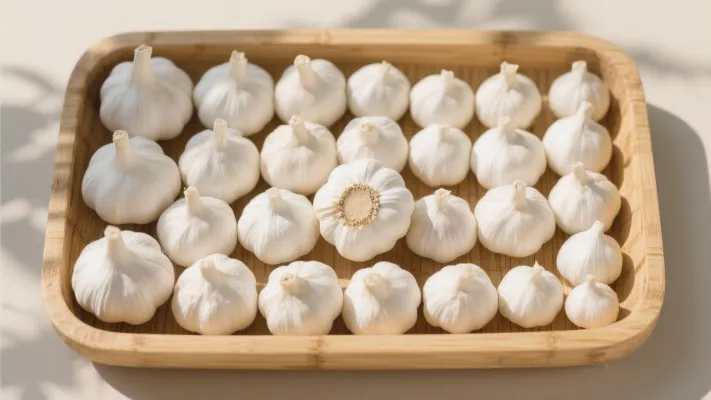
In the increasingly competitive global market for agricultural exports, packaging plays a decisive role in protecting product quality throughout the supply chain. Among exporters who specialize in food cold chain logistics, the 10-kilogram mesh bag has emerged as a preferred solution—especially for shipping delicate produce like garlic. This article dives deep into the core advantages of 10kg mesh bags in preserving freshness, minimizing losses, and optimizing logistics efficiency for cross-border shipments.
The fundamental strength of 10kg mesh bags lies in their intelligent design, tailored specifically for cold chain transport. Unlike traditional polywoven sacks, these mesh bags incorporate strategically placed ventilation holes, significantly enhancing airflow and moisture dissipation.
Moisture accumulation during transit can lead to fungal growth and spoilage. Industry reports indicate that mesh bags can reduce mold incidence by up to 70% compared to conventional woven bags under identical storage conditions. This reduction directly translates to longer shelf life and higher product integrity on arrival.
| Packaging Type | Average Mold Rate | Typical Weight | Air Permeability |
|---|---|---|---|
| Traditional Woven Bag | 15-20% | Varies (25-50kg) | Low |
| 10kg Mesh Bag | 4-6% | 10kg (Standardized) | High |
The consistent 10kg net weight per bag enables enhanced space utilization inside containers and simplifies loading and unloading procedures. Standardization facilitates precise pallet stacking and inventory management with minimal human error.
Real-world case studies from exporters shipping garlic to European markets demonstrate a 20% improvement in container space usage thanks to uniform bag sizes. This efficiency reduces shipping costs and shortens turnaround times—critical parameters for perishable goods.
Maintaining optimal temperature and humidity is crucial throughout transit. The breathable mesh material allows more precise temperature and humidity control inside refrigerated containers. Best practice includes:
The reduction in spoilage from mesh bag use directly supports green logistics goals by minimizing waste. Less damaged produce means fewer returns, lower landfill contribution, and decreased resource consumption in reprocessing.
Moreover, optimized container packing with these lightweight mesh bags reduces overall shipping volume and fuel consumption, further driving down carbon emissions. Industry sustainability assessments confirm that switching packaging to mesh nets can lower the carbon footprint of garlic transport by up to 12%.
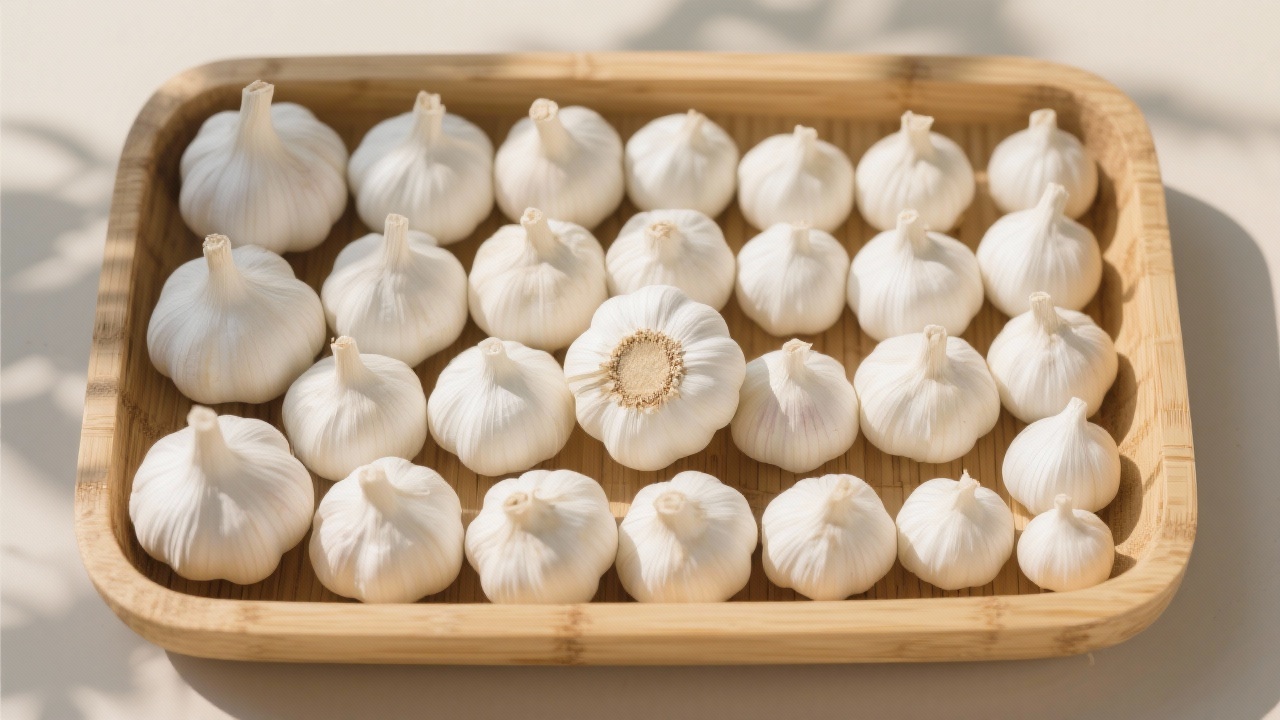
For exporters, importers, and logistics managers looking to transition towards 10kg mesh bags, consider the following steps:

 357
|
357
|
 fresh ginger
immune system enhancement
gingerol efficacy
functional food formula
B2B health food
fresh ginger
immune system enhancement
gingerol efficacy
functional food formula
B2B health food
 267
|
Garlic preservation technology
Low - temperature storage of garlic
Garlic bulb cold storage management
Agricultural product cold - chain transportation
Preservation of garlic nutritional value
267
|
Garlic preservation technology
Low - temperature storage of garlic
Garlic bulb cold storage management
Agricultural product cold - chain transportation
Preservation of garlic nutritional value
 186
|
European garlic market
Garlic variety comparison
Garlic storage techniques
High - quality garlic supply
Agricultural product export to Europe
186
|
European garlic market
Garlic variety comparison
Garlic storage techniques
High - quality garlic supply
Agricultural product export to Europe
 270
|
European white garlic procurement guide
Grade A+ garlic
high - quality garlic supply
garlic quality standards
refrigerated fresh - keeping garlic
270
|
European white garlic procurement guide
Grade A+ garlic
high - quality garlic supply
garlic quality standards
refrigerated fresh - keeping garlic
 355
|
white garlic storage techniques
10kg mesh bag packaging
garlic freshness preservation
cold chain logistics for garlic
garlic quality assurance
355
|
white garlic storage techniques
10kg mesh bag packaging
garlic freshness preservation
cold chain logistics for garlic
garlic quality assurance


.png?x-oss-process=image/resize,h_600,m_lfit/format,webp)





.png?x-oss-process=image/resize,h_200,m_lfit/format,webp)





 TikTok
 Facebook