
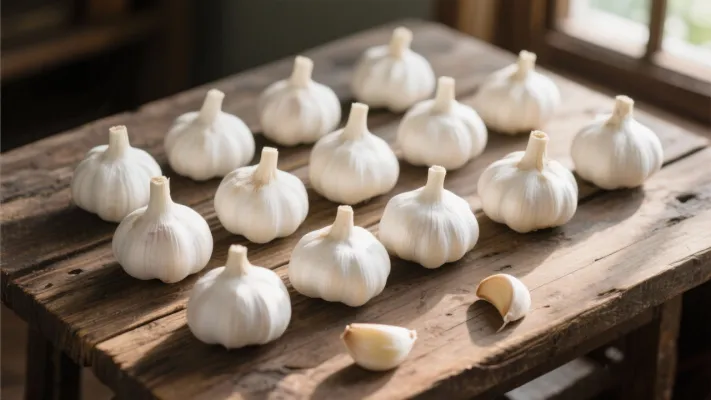
Garlic exporters shipping to Europe frequently face a critical problem: up to 30% of cargo lost to mold damage during sea transportation. This pressing issue directly impacts product quality, brand reputation, and profit margins. Recent insights reveal that the secret to minimizing such losses lies in a deceptively simple solution—10-kilogram mesh bags with optimized ventilated structures. This article unpacks how these mesh bags revolutionize cross-border garlic logistics through moisture control, loading efficiency, and temperature management.
Traditional packing methods, especially woven polypropylene bags, struggle to maintain the ideal moisture balance inside garlic shipments. Excess humidity fosters fungal growth and mold formation—causing 20–30% volume loss as reported in several European markets. Furthermore, irregular packaging dimensions often result in inefficient container loading and increased handling damage.
The need for a reliable, cost-effective packaging alternative that simultaneously reduces spoilage and enhances logistic flow has led exporters to adopt 10kg mesh bags engineered for high ventilation and standardization.
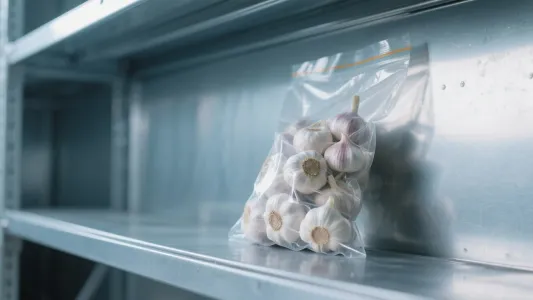
The mesh bag’s key feature is its network of micro perforations, which promote continuous air exchange between the garlic and external environment. These ventilation points prevent condensation build-up by allowing moisture vapor to escape, maintaining internal relative humidity levels below 70%, the critical threshold inhibiting mold proliferation.
Scientific humidity sensors tested within mesh bags versus traditional woven bags demonstrate a steady difference: mesh bags reduce internal humidity by 15-20% on average under similar ambient conditions, translating directly into extended shelf life.
| Metric | Traditional Woven Bags | 10kg Mesh Bags |
|---|---|---|
| Average Mold Rate | 28-30% | 8-9% (70% reduction) |
| Damage & Loss Rate | 18% | 6% (66% reduction) |
| Loading Efficiency (Volume Utilization) | 85% | 95% (12% improvement) |
Each 10kg mesh bag is engineered to precise dimensions compatible with standard Euro pallets and international container sizes. This standardization eliminates wasted space and ensures stable stacking. Exporters report a notable 50% increase in loading speed and enhanced operational safety during handling.
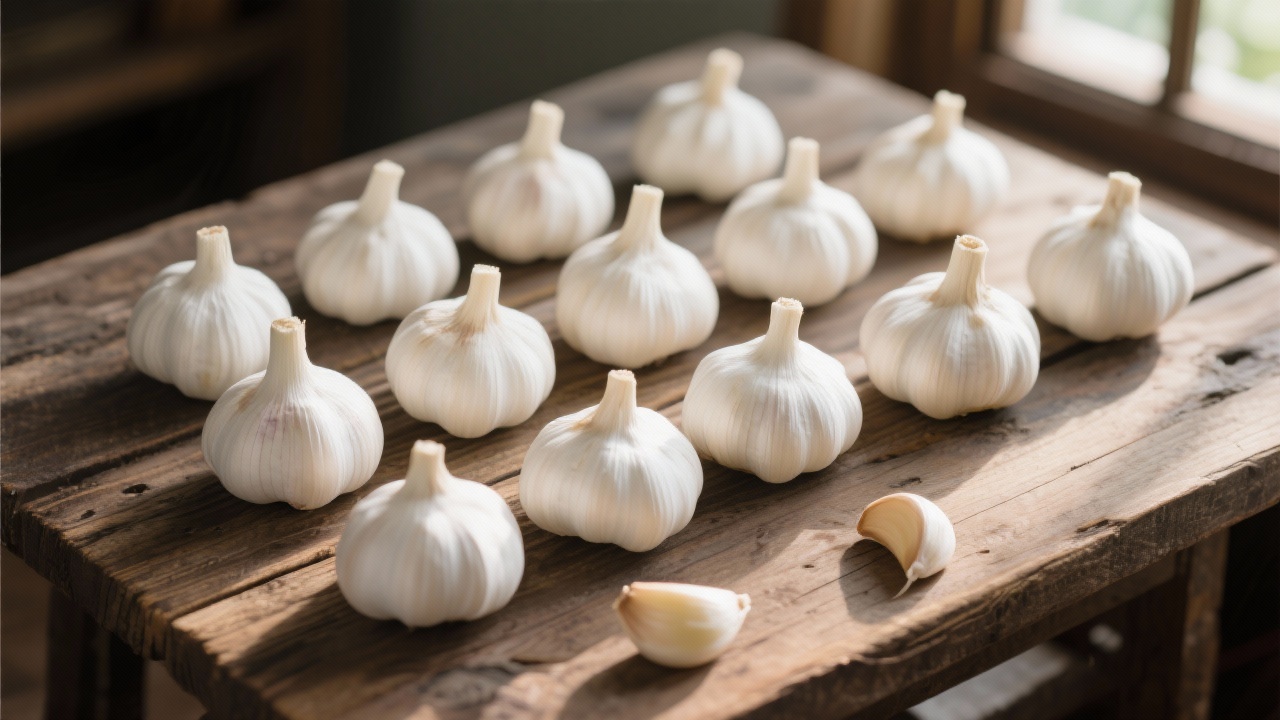
Effective cold chain management is instrumental in maintaining quality. For garlic, an optimal transport temperature range between -3°C and 0°C is critical to further suppress mold growth. Combining mesh bags with real-time temperature and humidity monitoring devices enables exporters to track environmental conditions throughout warehouse sorting, palletizing, and sea freight.
Case studies confirm that integrating these practices can reduce spoilage by up to 70%. Additionally, turnaround times accelerate by half, enabling faster market entry and fresher goods.
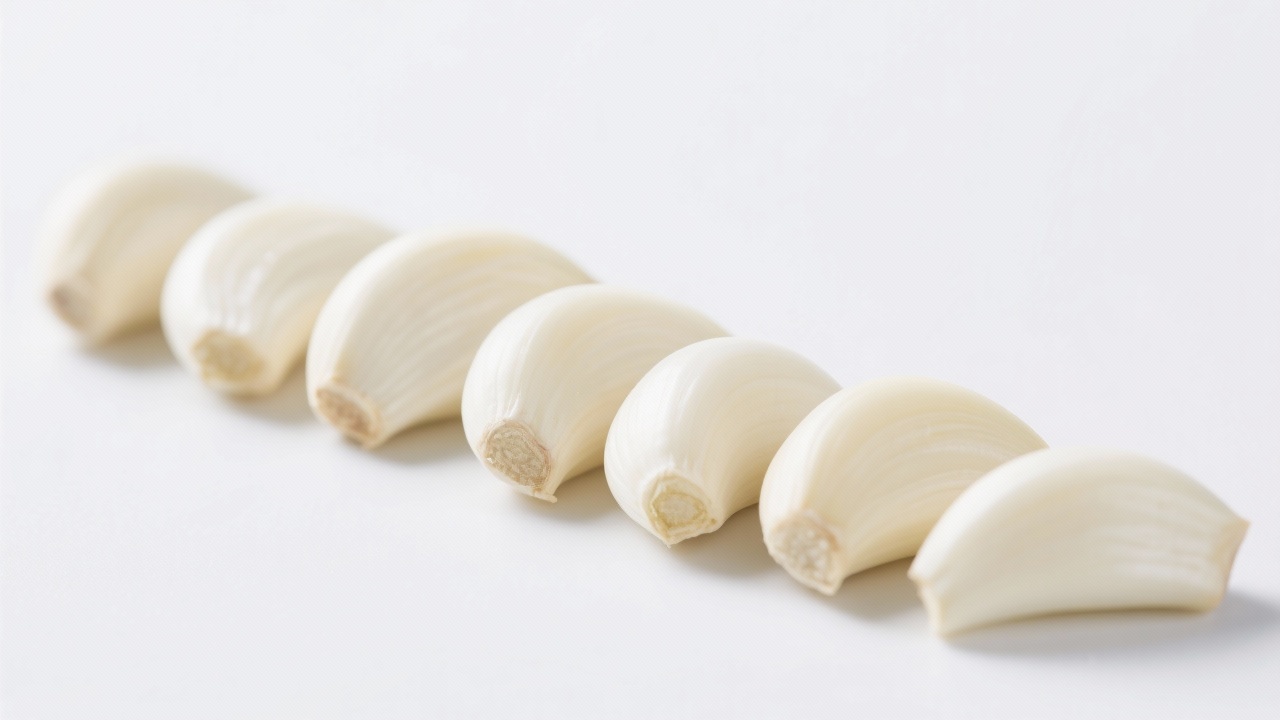
Beyond operational gains, utilizing mesh bags promotes sustainability by significantly lowering food waste and thus reducing the carbon footprint associated with production, shipping, and disposal. This aligns with increasing consumer and regulatory demands for environmental responsibility in food exports.
Brands adopting these green packaging methods strengthen their market positioning by cultivating trust and fulfilling growing corporate social responsibility commitments.

 335
|
335
|
 export garlic to europe
european garlic supply chain
garlic storage techniques
garlic variety selection
garlic quality management
export garlic to europe
european garlic supply chain
garlic storage techniques
garlic variety selection
garlic quality management
 229
|
garlic selection
garlic storage techniques
high - quality garlic
mesh bag packaging
fresh garlic inspection
229
|
garlic selection
garlic storage techniques
high - quality garlic
mesh bag packaging
fresh garlic inspection
 404
|
garlic preservation technology
low-temperature garlic storage
mesh bag packaging benefits
cold chain garlic management
European garlic market demands
404
|
garlic preservation technology
low-temperature garlic storage
mesh bag packaging benefits
cold chain garlic management
European garlic market demands
 156
|
garlic preservation techniques
low-temperature garlic storage
mesh bag packaging benefits
cold chain management for produce
European fresh garlic market
156
|
garlic preservation techniques
low-temperature garlic storage
mesh bag packaging benefits
cold chain management for produce
European fresh garlic market
 383
|
A-grade white garlic quality
white garlic inspection techniques
premium garlic grading
garlic procurement guide
white garlic quality standards
383
|
A-grade white garlic quality
white garlic inspection techniques
premium garlic grading
garlic procurement guide
white garlic quality standards



.png?x-oss-process=image/resize,h_600,m_lfit/format,webp)





.png?x-oss-process=image/resize,h_200,m_lfit/format,webp)





 TikTok
 Facebook