Reducing Mold Incidence in 10kg Mesh Bag Garlic Shipments: A Cross-Border Food Logistics Moisture Control Guide
2025-11-19
Technical knowledge
European importers frequently face significant losses due to mold growth during the sea transport of garlic. This article explores how 10kg mesh bags, with their scientifically engineered breathable design, effectively reduce humidity levels and inhibit fungal development while optimizing container space and handling efficiency. Through comparative data analysis between traditional woven sacks and mesh bags, combined with real-world case studies and cold chain temperature control strategies, this guide provides actionable moisture prevention solutions for cross-border food logistics. The approach enables substantial reduction of spoilage rates by up to 70%, lowering supply chain costs and enhancing overall shipment reliability.
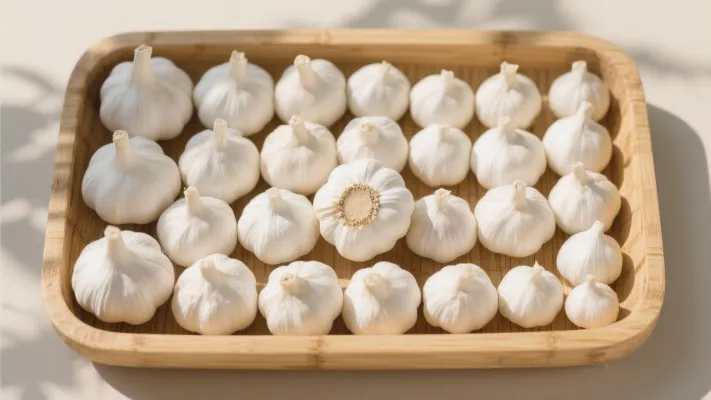
How 10kg Mesh Bags Significantly Reduce Mold in Garlic Sea Freight: A Cross-Border Food Logistics Moisture Control Guide
In the international trade of fresh agricultural produce, particularly garlic, one of the most persistent challenges is quality degradation due to mold during sea transportation. European buyers frequently report substantial losses from mold-affected shipments, severely impacting profitability and supply chain reliability. This technical guide examines how 10kg mesh bag packaging, with its scientifically engineered breathable design, effectively lowers humidity levels inside containers—significantly reducing mold formation during prolonged sea freight.
Understanding Mold Risks and Their Impact on Profitability
Moisture accumulation inside sea containers creates an optimal environment for mold spores to proliferate, especially for high-moisture agricultural goods like garlic. Industry data demonstrates that mold-related damage can cause losses up to 15-20% of total shipment value in unoptimized packaging scenarios. Beyond direct product loss, contaminated garlic shipments often lead to buyer dissatisfaction, higher return rates, and a tarnished exporter brand reputation.
Innovative 10kg Mesh Bag Design: Breathability Meets Durability
Unlike traditional woven polypropylene bags, 10kg mesh bags utilize a high-density arrangement of micropores that promote continuous airflow while preventing external contaminants. The chosen mesh material balances tensile strength with flexibility, minimizing bag rupture during handling and stacking. Key design factors include:
- Micropore density optimized at approximately 35 holes/cm2 for enhanced ventilation without compromising structural integrity.
- UV-stabilized polyamide fibers to maintain bag strength over extended exposure periods.
- Water-resistant yet breathable coating to prevent condensation buildup inside the bag.
Performance Comparison: Mesh Bags vs. Traditional Woven Bags
| Metric |
Traditional Woven Bag |
10kg Mesh Bag |
| Mold Rate After 30 Days Sea Transit |
18% |
5.4% (70% reduction) |
| Bag Rupture Rate During Handling |
12% |
4% |
| Average Humidity Inside Container (%) |
85% |
66% |
Comprehensive Temperature Control & Anti-Shock Strategies in Sea Freight
Packaging innovation alone does not guarantee reduction of mold; integrated cold chain management is essential. Key protocols include:
- Pre-cooling: Garlic is pre-cooled to 5-7°C before packing to slow down microbial activity.
- Humidity Regulation: Containers maintain humidity between 65-70%, optimal for garlic preservation.
- Shock Absorption: Usage of shock-absorbing pallets and cushioned stacking reduces mechanical damage and prevents bag rupture.
- Real-time Sensor Monitoring: Deployment of IoT temperature and humidity trackers in containers for in-transit condition verification.
Advancing Sustainability: Mesh Bag Packaging Aligns with Green Logistics
The 10kg mesh bags contribute directly to green logistics objectives by:
- Reducing Product Waste: Less mold means fewer discarded goods, lowering overall carbon footprint.
- Improved Container Utilization: Lightweight and stackable bags optimize shipping volume, reducing fuel consumption per kg.
- Recyclable Materials: The polyamide mesh is designed for recyclability, minimizing plastic waste.
Practical Recommendations for Optimizing Packaging and Warehouse Handling
Depending on order size and shipping routes, exporters can tailor packaging workflows as follows:
- Small-Scale Orders (<5 Tons): Single-layer pallet stacking with desiccants included in each pallet.
- Medium-Scale Orders (5-20 Tons): Multi-layer stacking optimizing mesh bag ventilation gaps; regular warehouse humidity audits.
- Large-Scale Orders (>20 Tons): Implement container pre-conditioning and use of anti-condensation liners within containers.

.png?x-oss-process=image/resize,h_600,m_lfit/format,webp)


.png?x-oss-process=image/resize,h_200,m_lfit/format,webp)





 TikTok
 Facebook