
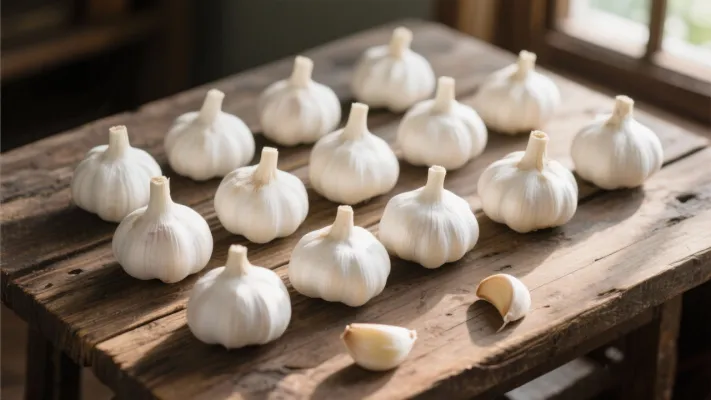
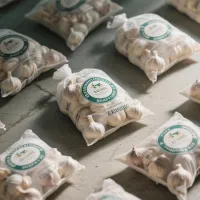
In the competitive world of agricultural exports, efficient and reliable transportation isn’t just a logistical advantage—it’s a brand differentiator. For garlic exporters targeting Europe, one often-overlooked but high-impact innovation is the shift from traditional woven sacks to standardized 10kg mesh bags. This change isn’t merely cosmetic—it directly addresses critical pain points in humidity control, space utilization, and handling efficiency across the entire supply chain.
European buyers report an average spoilage rate of 7–12% for garlic shipments using non-standardized packaging—especially during summer months when temperature fluctuations are common. The solution? A well-engineered mesh bag with precisely placed micro-vents (typically 2mm holes every 5cm) that allow airflow while preventing moisture buildup inside. In field tests conducted by EU-certified logistics partners, this design reduced internal humidity levels by up to 40%, significantly lowering mold growth risk.
| Packaging Type | Avg. Spoilage Rate (%) | Space Utilization (%) | Handling Efficiency Gain |
|---|---|---|---|
| Traditional Woven Sack | 9.5% | 68% | Baseline |
| Standardized 10kg Mesh Bag | 3.2% | 89% | +35% faster loading/unloading |
A case study from a major garlic exporter in China shows how switching to 10kg mesh bags improved delivery consistency to German retailers. Before implementation, their average transit time was 28 days with a 10% loss rate due to dampness-related damage. After adopting standardized mesh packaging and implementing proper stacking protocols on pallets (no more than 4 layers), they achieved a consistent 95% product integrity rate over 3 consecutive quarters—and cut container costs by 12% through better cubic utilization.
The benefits extend beyond transport. Warehouses report a 25% increase in sorting speed thanks to uniform bag dimensions and clear labeling zones. Buyers appreciate the ease of unpacking without damaging individual cloves—a subtle but powerful touchpoint in B2B relationships.
"What we once saw as a minor packaging detail turned into our biggest competitive edge—not just in cost savings, but in trust-building with European buyers who value sustainability and precision."
— Maria Schmidt, Procurement Lead at a leading EU food distributor
With growing pressure on carbon footprints, eco-conscious packaging like reusable or recyclable mesh bags aligns with ESG goals. One client reported a 15% improvement in customer satisfaction scores after highlighting their use of sustainable packaging in supplier communications—proof that green practices resonate deeply with modern B2B buyers.

 335
|
335
|
 export garlic to europe
european garlic supply chain
garlic storage techniques
garlic variety selection
garlic quality management
export garlic to europe
european garlic supply chain
garlic storage techniques
garlic variety selection
garlic quality management
 207
|
European garlic market
Advantages of large white garlic
Garlic storage techniques
High - quality garlic supply
Agricultural product quality control
409
|
organic ginger essential oil
ginger extraction methods
ginger health benefits
culinary ginger usage
cold press ginger oil
207
|
European garlic market
Advantages of large white garlic
Garlic storage techniques
High - quality garlic supply
Agricultural product quality control
409
|
organic ginger essential oil
ginger extraction methods
ginger health benefits
culinary ginger usage
cold press ginger oil
 95
|
garlic variety selection
international culinary garlic applications
fresh garlic supply solutions
kitchen garlic usage tips
mesh bag garlic packaging benefits
270
|
European white garlic procurement guide
Grade A+ garlic
high - quality garlic supply
garlic quality standards
refrigerated fresh - keeping garlic
95
|
garlic variety selection
international culinary garlic applications
fresh garlic supply solutions
kitchen garlic usage tips
mesh bag garlic packaging benefits
270
|
European white garlic procurement guide
Grade A+ garlic
high - quality garlic supply
garlic quality standards
refrigerated fresh - keeping garlic


.png?x-oss-process=image/resize,h_600,m_lfit/format,webp)





_(2).jpg?x-oss-process=image/resize,m_fill,h_200,w_200/format,webp)

.png?x-oss-process=image/resize,h_200,m_lfit/format,webp)





 TikTok
 Facebook