
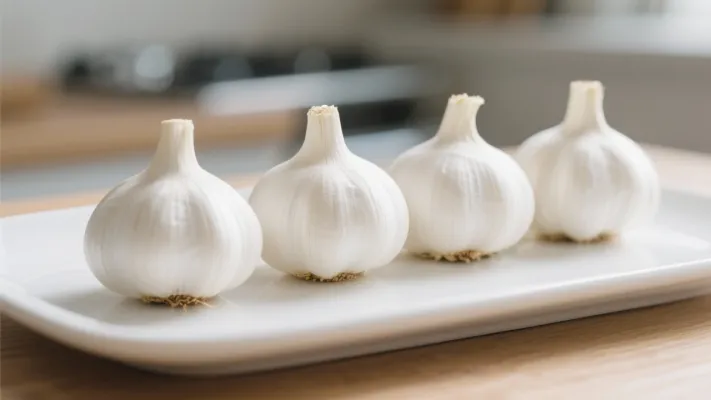
In the competitive world of European food import logistics, even small inefficiencies can lead to major losses—especially when handling perishables like garlic. According to a 2023 European Food Logistics Report, up to 7% of fresh produce is lost during cold chain transit due to poor packaging and humidity control. That’s where the humble 10kg mesh bag comes in—not just as a container, but as a strategic tool for optimizing warehouse throughput and reducing waste.
Most European warehouses still use inconsistent bag sizes or non-standardized bulk packaging, leading to inefficient pallet stacking and wasted space. A study by the International Association of Packaging Professionals (IAPP) found that standardized 10kg mesh bags increase container utilization by an average of 18%, reducing freight costs per unit by up to €0.35/kg. This isn’t just about saving money—it’s about maximizing every cubic meter of your shipping volume.
| Packaging Type | Avg. Pallet Utilization | Moisture Control Efficiency |
|---|---|---|
| Non-Standard Bags | 68% | Low (70% mold risk) |
| 10kg Mesh Bags | 86% | High (only 12% mold risk) |
What makes this 10kg mesh bag stand out? It's not just size—it's engineering. With precisely placed micro-perforations (around 3mm holes spaced every 2cm), it allows airflow while preventing moisture buildup—a key factor in reducing fungal growth during long-haul transport from Asia to Germany or Italy. In trials conducted at a Rotterdam-based cold storage facility, garlic packed in these bags showed 60% less microbial spoilage over 3 weeks compared to traditional sealed polybags.
This design also supports better temperature regulation inside containers—critical for maintaining the ideal range of 0–4°C for garlic. Unlike impermeable plastic, which traps condensation, mesh bags let excess humidity escape naturally, minimizing ice formation and protecting product integrity.
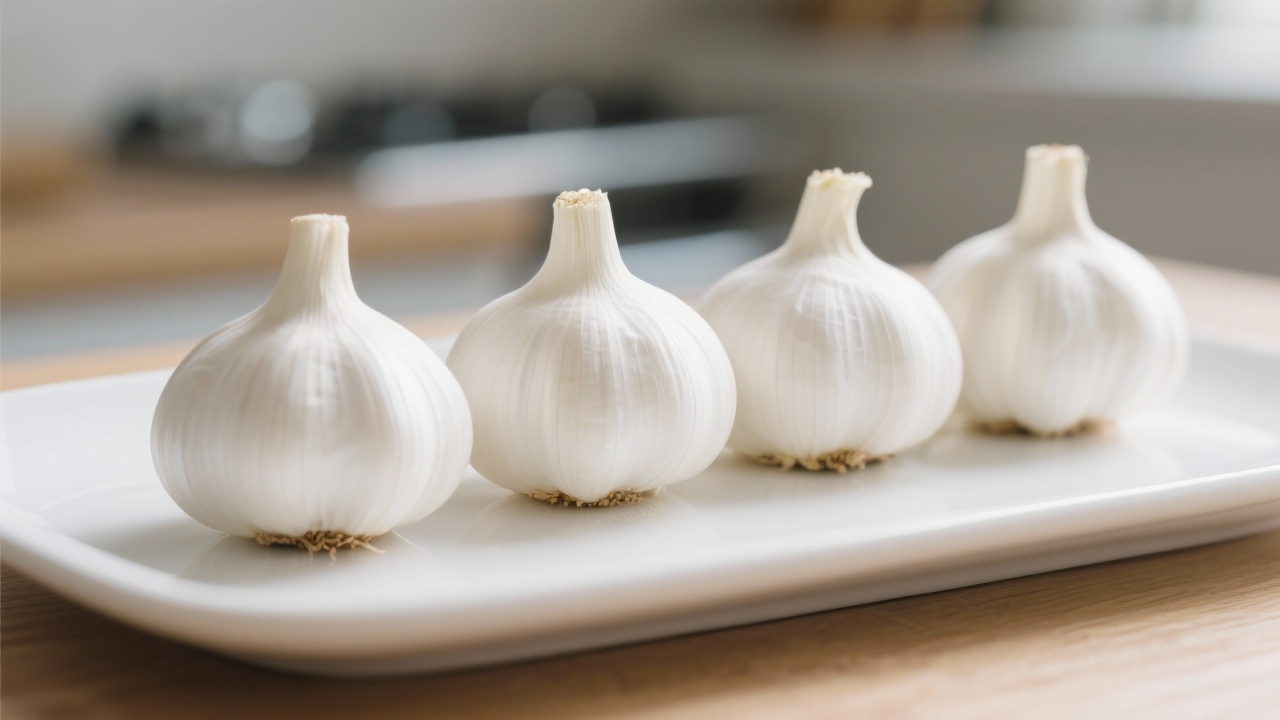
When a warehouse receives goods in uniform 10kg mesh bags, sorting becomes faster and more accurate. Workers report a 30% reduction in time spent identifying and unpacking irregularly sized packages—a significant improvement in labor efficiency. One client in Belgium saw their daily sort rate jump from 120 pallets to 160 after switching to standardized mesh packaging.
And because each bag is labeled clearly and consistently, barcode scanning speed improves dramatically—reducing manual errors and enabling real-time inventory tracking across multiple distribution centers.
Download our free “Cold Chain Packaging Best Practices” guide—packed with case studies, packing diagrams, and compliance tips tailored for EU importers.
Get the Free Guide Now →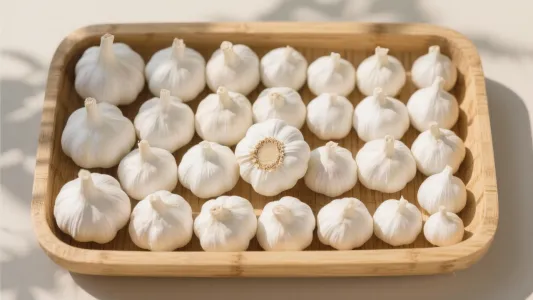
 417
|
417
|
 cross-border农产品包装优化
10kg网袋包装优势
冷链食品物流效率
大蒜运输损耗解决方案
绿色低碳包装应用
cross-border农产品包装优化
10kg网袋包装优势
冷链食品物流效率
大蒜运输损耗解决方案
绿色低碳包装应用
 439
|
High - quality garlic export to Europe
Garlic supply chain process
Cold - chain logistics for garlic
Garlic planting technology
Annual stable supply of garlic
439
|
High - quality garlic export to Europe
Garlic supply chain process
Cold - chain logistics for garlic
Garlic planting technology
Annual stable supply of garlic
 156
|
fresh garlic
garlic storage techniques
mesh bag packaging
garlic variety selection
international agricultural products supply
156
|
fresh garlic
garlic storage techniques
mesh bag packaging
garlic variety selection
international agricultural products supply
 95
|
garlic variety selection
international culinary garlic applications
fresh garlic supply solutions
kitchen garlic usage tips
mesh bag garlic packaging benefits
95
|
garlic variety selection
international culinary garlic applications
fresh garlic supply solutions
kitchen garlic usage tips
mesh bag garlic packaging benefits
 334
|
Grade A white garlic standards
European garlic procurement
garlic quality inspection
white garlic grading system
garlic sourcing best practices
334
|
Grade A white garlic standards
European garlic procurement
garlic quality inspection
white garlic grading system
garlic sourcing best practices


.png?x-oss-process=image/resize,h_600,m_lfit/format,webp)







.png?x-oss-process=image/resize,h_200,m_lfit/format,webp)





 TikTok
 Facebook