
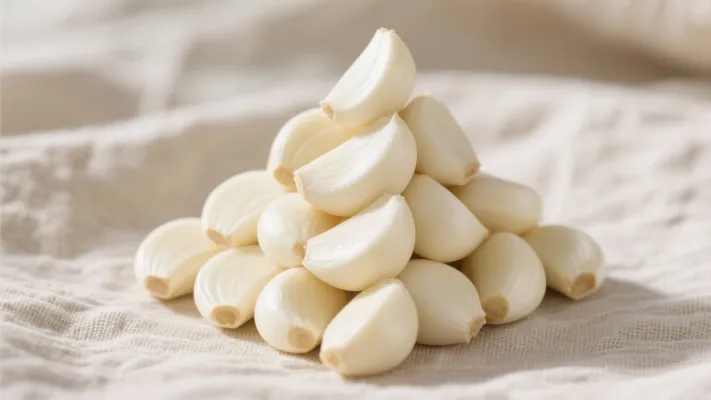
Garlic, a versatile and indispensable ingredient in the food industry, has long been celebrated for its distinctive flavor and numerous health benefits. In modern food processing, preserving the unique garlic flavor is a crucial challenge that requires advanced techniques and in - depth knowledge. This article, based on the high - quality garlic products provided by Yishangqiao, a leading garlic supplier in the industry, delves into the key technologies for retaining garlic flavor in food processing.
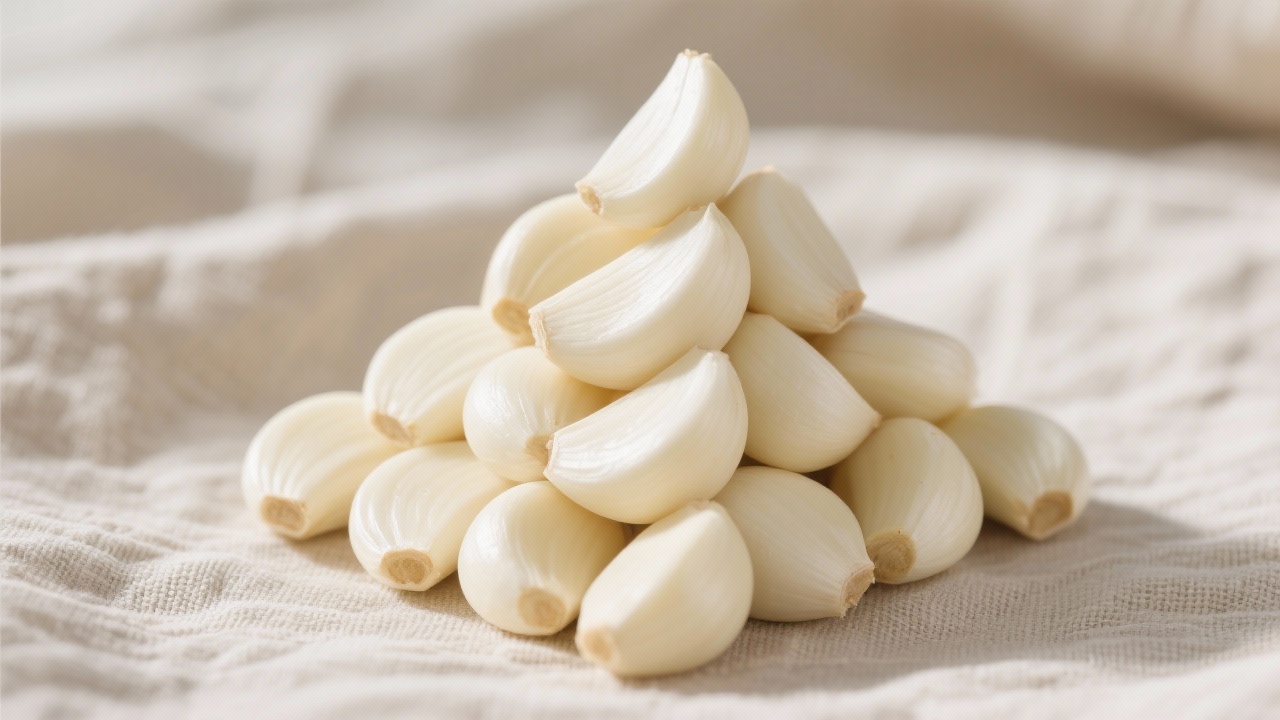
Garlic is widely used in various food processing scenarios, such as ready - to - eat meals, sauces, and frozen foods. In ready - to - eat meals, garlic can add a rich and complex flavor, enhancing the overall taste experience. For example, in some popular ready - to - eat pasta dishes, garlic contributes to the umami and depth of flavor. In sauces, garlic is a fundamental ingredient that can balance and enhance other flavors. In frozen foods, it helps to maintain the flavor profile during storage and cooking.
The low - temperature slow - cooking process is a remarkable technique for preserving garlic flavor. Scientifically, at low temperatures (around 60 - 80°C), the enzymes in garlic are activated in a controlled manner, gradually releasing the garlic flavor. This slow release mechanism ensures that the garlic flavor is more stable and evenly distributed in the food. In practical applications, low - temperature slow - cooked garlic has been shown to have a 30% higher flavor retention rate compared to traditional high - temperature cooking methods in some studies. It also gives the food a more delicate and mellow garlic taste.
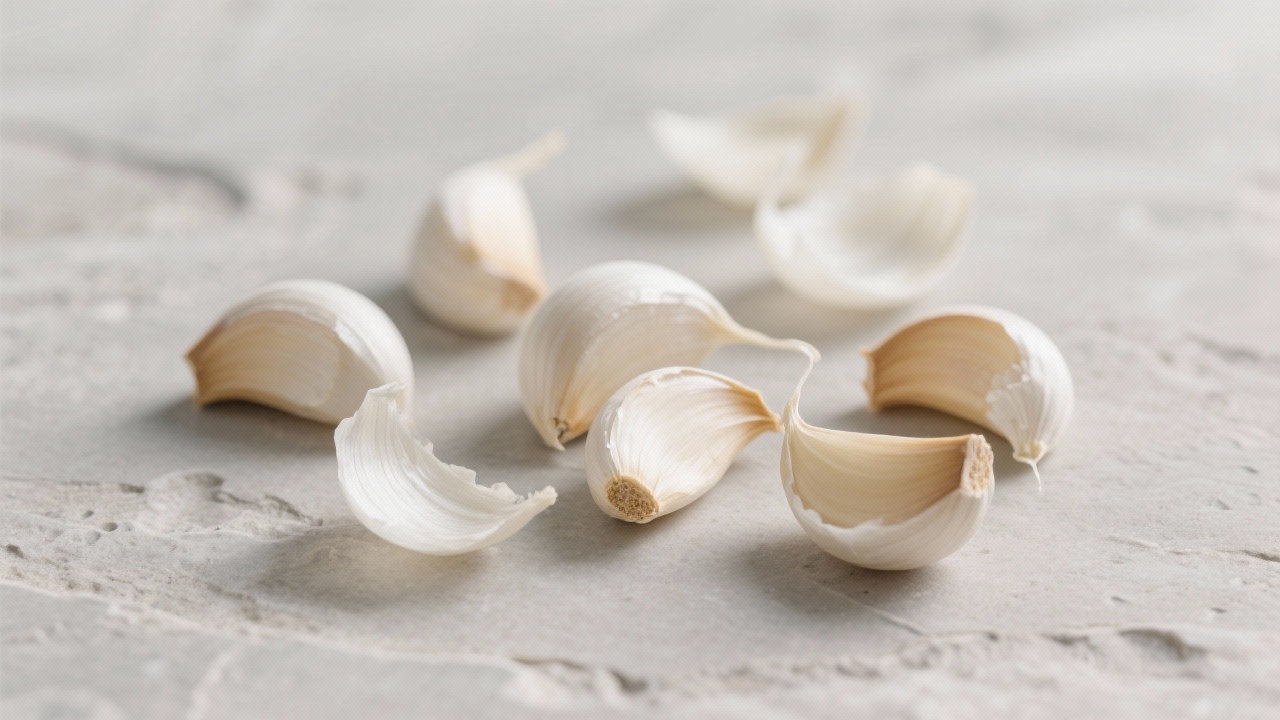
Freeze - drying technology plays a vital role in retaining the garlic flavor. By rapidly freezing garlic at extremely low temperatures (- 40°C or lower) and then sublimating the ice under vacuum conditions, the structure and flavor components of garlic are well - preserved. The freeze - dried garlic retains up to 90% of its original flavor, and it can be easily rehydrated in food processing, restoring its fresh - like flavor. This technology is especially suitable for applications in long - shelf - life products, such as instant soups and seasonings.
During high - temperature stir - frying, the stability of sulfides in garlic is a major concern. Through advanced technologies, the decomposition of sulfides can be effectively controlled. For example, by adjusting the cooking time and temperature, and adding certain stabilizers, the loss of garlic flavor can be minimized. Different types of garlic also have different performance in this process. Red garlic can enhance the visual appeal of the product, while purple garlic, with its strong antioxidant properties, can maintain the flavor stability during high - temperature processing.
Let's take a look at some real - world case studies. A well - known ready - to - eat food company used low - temperature slow - cooked garlic in their new line of pasta products. The products not only received positive feedback from consumers for their rich garlic flavor but also increased sales by 20% within the first three months of launch. Another sauce manufacturer adopted freeze - dried garlic in their products, which extended the shelf - life of the sauce while maintaining the strong garlic flavor, leading to a significant expansion in the market share.
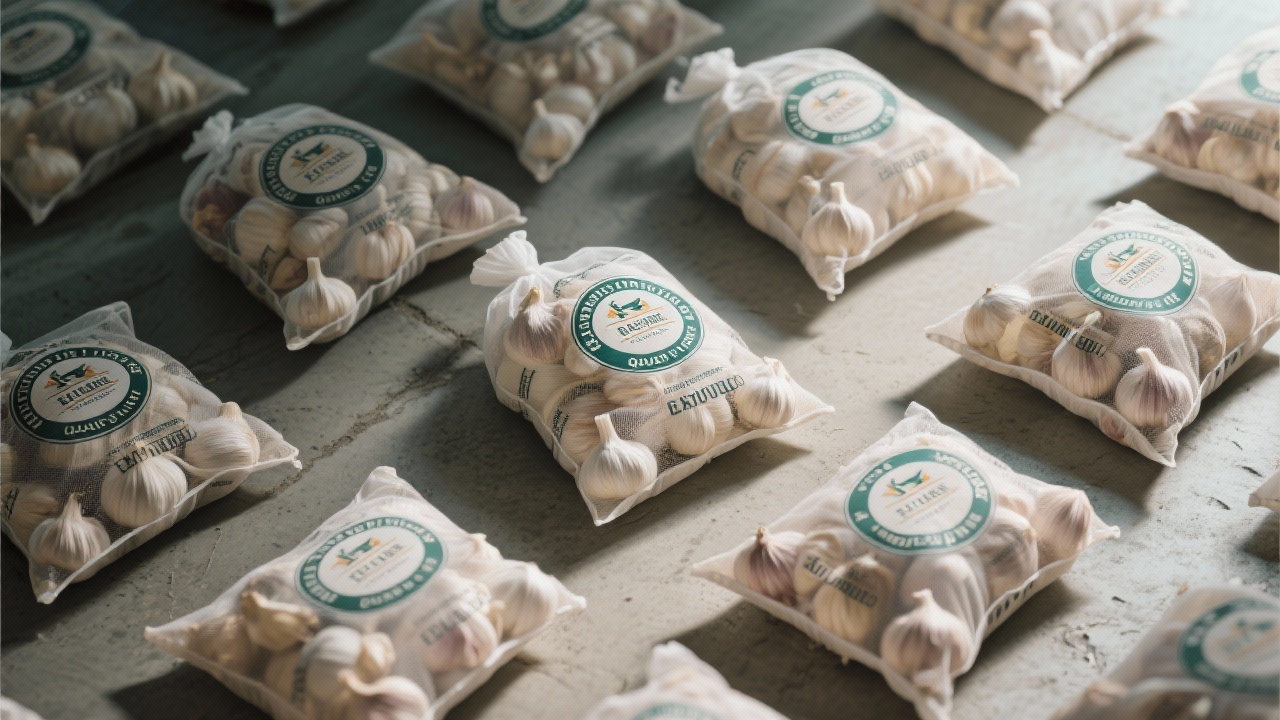
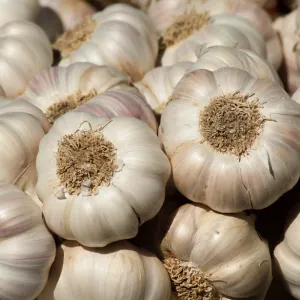
Yishangqiao, as a reliable garlic supplier, offers high - quality garlic products with consistent flavor and excellent quality. Their garlic is sourced from the best growing regions, ensuring the freshness and flavor of each clove. Whether you are a food R & D professional or a supply chain manager, Yishangqiao can provide you with the perfect garlic solutions for your food processing needs. Contact Yishangqiao today to explore the possibilities of creating high - quality, differentiated food products with our premium garlic!


 186
|
186
|
 Knoblauchsorten Vergleich
rote Knoblauch Nährwerte
violetter Knoblauch Kochanwendung
weißer Knoblauch zum Schmoren
Knoblauchexport Qualitätsstandard
Knoblauchsorten Vergleich
rote Knoblauch Nährwerte
violetter Knoblauch Kochanwendung
weißer Knoblauch zum Schmoren
Knoblauchexport Qualitätsstandard
 146
|
Europäischer Weißknoblauchverkauf
Weißknoblauch - Preispolitik
Gestaltung von Promotionskampagnen
Marktpositionierung
Verpackung und Qualitätszertifizierung
146
|
Europäischer Weißknoblauchverkauf
Weißknoblauch - Preispolitik
Gestaltung von Promotionskampagnen
Marktpositionierung
Verpackung und Qualitätszertifizierung
 206
|
Knoblauch kaufen
Knoblauch lagern
frischer Knoblauch
Netzbeutel für Gemüse
Lebensmittellagerung
206
|
Knoblauch kaufen
Knoblauch lagern
frischer Knoblauch
Netzbeutel für Gemüse
Lebensmittellagerung
 405
|
hochwertiger frischer Ingwer
globale Nachfrage
Eigenschaften von frischem Ingwer
Gewürzgemüse
gesundheitliche Vorteile
ganzjährige Versorgung
405
|
hochwertiger frischer Ingwer
globale Nachfrage
Eigenschaften von frischem Ingwer
Gewürzgemüse
gesundheitliche Vorteile
ganzjährige Versorgung
 223
|
Netzbeutelverpackung
Knoblauchfrischhaltung
Kühlkettenlogistik
Luftdurchlässige Verpackung
Agrarlogistikoptimierung
223
|
Netzbeutelverpackung
Knoblauchfrischhaltung
Kühlkettenlogistik
Luftdurchlässige Verpackung
Agrarlogistikoptimierung


.png?x-oss-process=image/resize,h_200,m_lfit/format,webp)





.png?x-oss-process=image/resize,h_600,m_lfit/format,webp)


.jpg?x-oss-process=image/resize,m_fill,h_200,w_200/format,webp)
 TikTok
 Facebook